One box, five different lining jobs
UK box makers rarely buy one material for a whole range. A typical presentation box contains:
A material that is excellent for the lid pad can be wrong for the slots. This is why "which lining?" has no single answer - the question is always "which position?".
The four materials UK buyers actually choose from
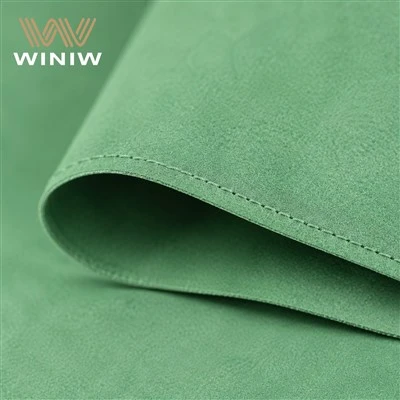
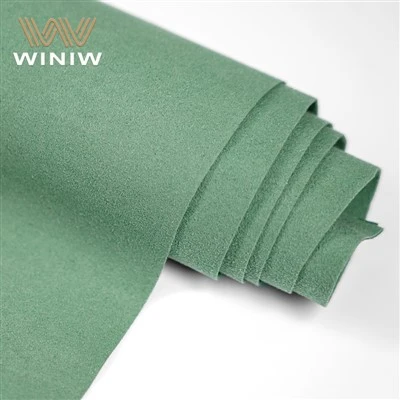
For mid-to-premium boxes, the choice usually comes down to flocked velvet versus microfibre suede. Velvet photographs better; suede survives handling better.
The two tests that matter more than hand feel
Test 1 - Shedding
Take a piece of clear adhesive tape, press it firmly onto the lining, and lift. Then do it again on the same spot after rubbing the surface with a white cotton glove.
A lining that leaves fibre on the tape will leave fibre in a ring setting. That is not a cosmetic problem - it arrives as a customer complaint about a "dirty" stone.
Flocked velvet is the usual offender because the pile is held by adhesive rather than by the fibre structure itself. Microfibre suede, where the nap is part of the non-woven, sheds far less - see the abrasion-resistant suede grades we produce for exactly this reason.
Test 2 - Tarnish
Silver tarnishes through reaction with sulphur-containing compounds and moisture. Those compounds can come from the box itself: certain foams, some adhesives, and sulphur-cured rubbers used in inserts.
The practical test is a silver strip: place a polished silver coupon in the closed box, leave it under normal storage conditions, and inspect. Do it before you commit to a production run, not after.
And one material to keep out of a silver box: PVC. Chlorinated binders can release hydrogen chloride, which attacks silver. If a lining is described only as "PVC suede", ask what it is doing next to sterling silver. Our PU-based suede range avoids that chemistry entirely.
Colour fastness and migration
Two failures show up after the goods have shipped:
Rubbing transfer. The lining dyes off onto a pale leather strap or a pearl. Test to rubbing fastness wet and dry, not just dry.
Plasticiser migration. Where a PVC component sits against a lining in the same box, plasticiser can migrate and leave a mark. If your box mixes materials, test them assembled, not separately.
Both are cheap to test at sample stage and expensive to argue about later.
The conversion problem: wrapping a corner
Most lining failures in UK box factories are not material failures - they are converting failures. Three variables decide it:
Thickness. Box linings are usually specified somewhere between roughly 0.4 mm and 0.8 mm. Above that, a tight turn-in on a 90° greyboard corner whitens or lifts. Below it, the lining telegraphs the board texture.
Stretch direction. Suede has a grain direction. Cut the wrap panel across it and the corner will fight you all day; cut with it and the same material turns cleanly.
Backing. Foam-backed or paper-backed versions hold adhesive better and hide board imperfections, at the cost of a stiffer fold. Unbacked material needs a controlled spray adhesive and a press.
If you are quoting a new box shape, send the drawing with the corner radius. It changes the answer more than the colour card does.
The UK paperwork
Post-Brexit, the compliance question has a specific shape that EU-only suppliers sometimes miss:
UK REACH, not just EU REACH. The regimes are administered separately. A supplier shipping into the UK should be able to say which regime their declaration is written against - an EU-only statement leaves your compliance lead with a gap.
Restricted substances. Azo colourants and certain restricted substances apply to textiles placed on the UK market. Ask for the test list, not just a pass certificate.
Paper components. If you use suede paper, ask for FSC chain of custody - several UK retail buyers now require it at onboarding.
Packaging obligations. If the box itself is the packaging your customer sells in, extended producer responsibility and recycling labelling may fall on them, not on you. Worth one conversation with their compliance team rather than an assumption either way.
None of this is exotic. It is simply the difference between a supplier who has shipped to the UK before and one who has not.
What to put in the RFQ
Six lines make the quotations comparable:
Position: lid pad / tray / slot / drawer / outer wrap Material direction: flocked velvet, microfibre suede, suede paper, or open to advice Thickness: target in mm, with tolerance Colour: Pantone reference and whether matching to an existing box is required Backing: unbacked, paper-backed or foam-backed Compliance: UK REACH declaration, azo test list, FSC where paper is used
Add the box drawing. Nine times out of ten the quote changes once the corner radius is known.
Buying from the UK: what actually slows orders down
Three things, in our experience of supplying UK box makers and jewellery brands:
Colour approval by post. Pantone on a screen is not Pantone on a napped surface. Napped materials read darker and shift hue with pile direction. Approve from a physical swatch, and specify the viewing direction.
Sample-to-bulk variation. Ask how the supplier controls colour between the sample and the production batch, and what their position is if the batch reads differently under shop lighting.
Repeat-order continuity. A lining that is discontinued after two seasons forces a box redesign. Ask how long the article is held open - it matters more for a jewellery range than for most products.
FAQ
Is microfibre suede better than velvet for a jewellery box? For anything that will be handled repeatedly, usually yes: it sheds less, cuts cleaner and wraps more predictably. Velvet still wins on depth of colour and on cost for low-handling presentation boxes.
What lining is safest for silver? One that is sulphur-free and non-chlorinated, tested with a silver coupon in the assembled box. Avoid PVC next to sterling silver.
Can I use suede paper for ring slots? Generally not. Paper-based linings tear at the fold under repeated opening. They suit lid pads and flat panels.
Does the lining need to be fire retardant? For a jewellery box, fire performance is rarely a specified requirement. It becomes relevant if the lining is used in furniture or display fixtures, where different rules apply.
Can the lining be vegan? Yes - microfibre suede contains no animal hide. Confirm the binder and finish declarations if the claim goes on pack, because "synthetic fibre" and "vegan" are not the same statement.