Source PU Leather by Application, Construction and Performance
We supply PU synthetic leather for footwear, furniture, automotive interiors, bags, garments, gloves, packaging and sports goods. Instead of treating PU leather as one fixed material, we match the coating system, backing, thickness, surface finish and required tests to the buyer's end use.
PU leather can be produced on woven, knitted or non-woven substrates with matte, glossy, embossed or other application-specific surfaces. The appropriate construction depends on how the material will be cut, stitched, laminated, flexed, cleaned and exposed during service.
Tell us your application, target thickness, usable width, backing, grain, color, annual quantity and required physical or chemical tests. We can help narrow the material range before sampling.
Request PU Leather SamplesDefine footwear, seating, bag, garment, ball or another component.
Select substrate, coating system, gauge and surface finish.
Specify abrasion, flex, peel, colorfastness or another test method.
Confirm sample, TDS, test evidence, MOQ and bulk criteria.
PU Leather Applications
Each application places different demands on the PU coating, substrate and finished surface. Use these application routes to narrow the product list before comparing individual SKUs.

Footwear
Compare flexing, tear, peel, thickness, abrasion and upper-processing requirements.
Explore Footwear Materials →
Furniture Upholstery
Review abrasion, seam performance, hydrolysis, cleaning and market-specific requirements.
Explore Upholstery Materials →Automotive Interiors
Define surface wear, climate aging, color, VOC and customer-specific interior requirements.
Explore Automotive Materials →
Bags & Leather Goods
Compare grain, hand feel, colorfastness, sewing, edge finishing and surface wear.
Explore Bag Materials →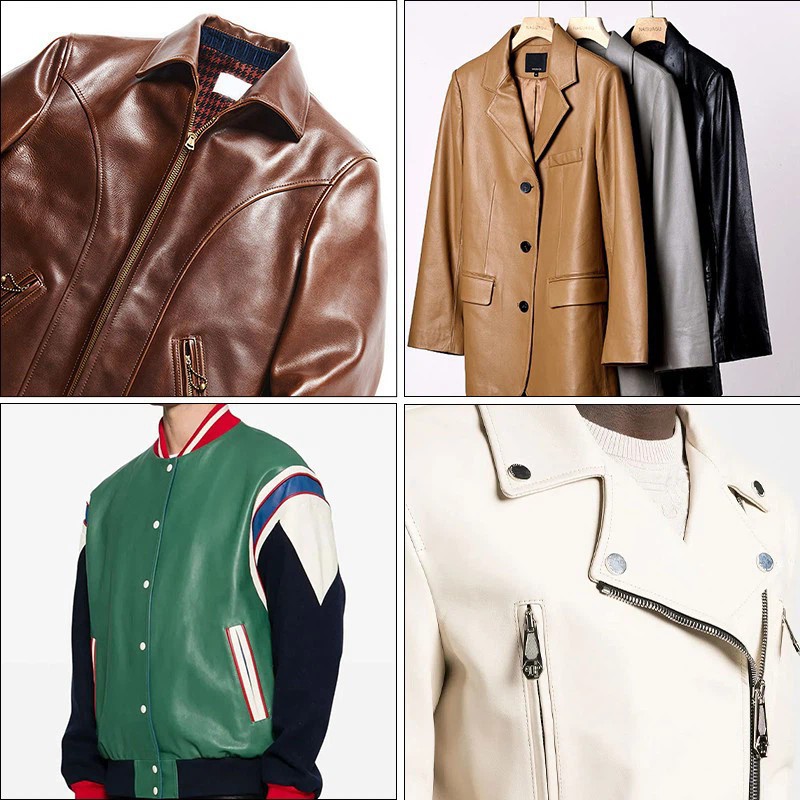
Garments
Prioritize thin-gauge drape, softness, sewing and color stability.
Explore Garment Materials →
Gloves
Review gauge, grip, flexibility, stitch tear and moisture requirements.
Explore Glove Materials →
Sports Balls
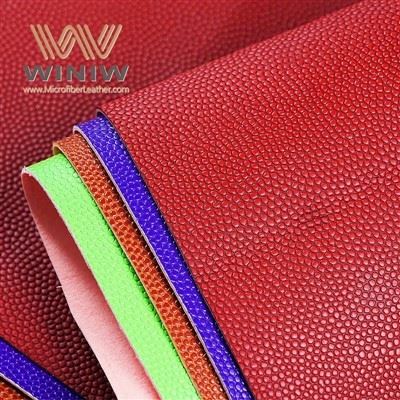
Compare embossing, grip, abrasion, peel and panel-processing requirements.
Explore Ball Materials →
Packaging
Review thin gauge, surface appearance, embossing, lamination and color consistency.
Explore Packaging Materials →-
![Black Synthetic Leather For Car Seat Upholstery]() Black Synthetic Leather For Car Seat UpholsteryWINIW black microfiber synthetic leather is a professional upholstery material designed for automotive seat covers. Boasting a classic, versatile black finish, this fabric offers excellent...read more
Black Synthetic Leather For Car Seat UpholsteryWINIW black microfiber synthetic leather is a professional upholstery material designed for automotive seat covers. Boasting a classic, versatile black finish, this fabric offers excellent...read more -
![PVC‑Coated Microfiber Synthetic Leather, Stain‑Proof Upholstery Material For Car Seats]() PVC‑Coated Microfiber Synthetic Leather, Stain‑Proof Upho...WINIW black‑toned microfiber leather serves as a specialized upholstery material for automobile seat covers. Boasting a timeless all‑black adaptable surface, it delivers reliable shielding...read more
PVC‑Coated Microfiber Synthetic Leather, Stain‑Proof Upho...WINIW black‑toned microfiber leather serves as a specialized upholstery material for automobile seat covers. Boasting a timeless all‑black adaptable surface, it delivers reliable shielding...read more -
![2026 WINIW NEW 0.8mm Artificial Leather With 5mm Foam For Car Upholstery]() 2026 WINIW NEW 0.8mm Artificial Leather With 5mm Foam For...WINIW black microfiber leather is a professional upholstery raw material for vehicle seat covers. It comes with a classic versatile black finish, robust protective performance and convenient...read more
2026 WINIW NEW 0.8mm Artificial Leather With 5mm Foam For...WINIW black microfiber leather is a professional upholstery raw material for vehicle seat covers. It comes with a classic versatile black finish, robust protective performance and convenient...read more -
![PVC Microfiber Leather – Stain Resistant Synthetic Leather For Automotive Seating]() PVC Microfiber Leather – Stain Resistant Synthetic Leathe...WINIW black microfiber leather is a professional upholstery raw material for vehicle seat covers. It comes with a classic versatile black finish, robust protective performance and convenient...read more
PVC Microfiber Leather – Stain Resistant Synthetic Leathe...WINIW black microfiber leather is a professional upholstery raw material for vehicle seat covers. It comes with a classic versatile black finish, robust protective performance and convenient...read more -
![New PVC Coated Microfiber Synthetic Leather For Automotive Seat Upholstery]() New PVC Coated Microfiber Synthetic Leather For Automotiv...WINIW black microfiber leather is a professional upholstery raw material for vehicle seat covers. It comes with a classic versatile black finish, robust protective performance and convenient...read more
New PVC Coated Microfiber Synthetic Leather For Automotiv...WINIW black microfiber leather is a professional upholstery raw material for vehicle seat covers. It comes with a classic versatile black finish, robust protective performance and convenient...read more -
![Black Artificial Leather For Automotive Seat Upholstery]() Black Artificial Leather For Automotive Seat UpholsteryWINIW black microfiber synthetic leather serves as specialized upholstery material for automotive seat covers. Featuring a timeless all-matching black surface, this material delivers strong...read more
Black Artificial Leather For Automotive Seat UpholsteryWINIW black microfiber synthetic leather serves as specialized upholstery material for automotive seat covers. Featuring a timeless all-matching black surface, this material delivers strong...read more -
![2026 NEW Microfiber Leather For Automotive Car Seat]() 2026 NEW Microfiber Leather For Automotive Car SeatWINIW black microfiber leather is a professional upholstery raw material for vehicle seat covers. It comes with a classic versatile black finish, robust protective performance and convenient...read more
2026 NEW Microfiber Leather For Automotive Car SeatWINIW black microfiber leather is a professional upholstery raw material for vehicle seat covers. It comes with a classic versatile black finish, robust protective performance and convenient...read more -
![Black Microfiber Leather For Automotive Car Seat]() Black Microfiber Leather For Automotive Car SeatWINIW black microfiber leather is a professional upholstery raw material for vehicle seat covers. It comes with a classic versatile black finish, robust protective performance and convenient...read more
Black Microfiber Leather For Automotive Car SeatWINIW black microfiber leather is a professional upholstery raw material for vehicle seat covers. It comes with a classic versatile black finish, robust protective performance and convenient...read more -
![Black Faux Leather For Automotive Car Seat]() Black Faux Leather For Automotive Car SeatWINIW black microfiber leather is a professional upholstery raw material for vehicle seat covers. It comes with a classic versatile black finish, robust protective performance and convenient...read more
Black Faux Leather For Automotive Car SeatWINIW black microfiber leather is a professional upholstery raw material for vehicle seat covers. It comes with a classic versatile black finish, robust protective performance and convenient...read more -
![Pebbled Texture Microfiber Synthetic Leather For Basketball Exteriors]() Pebbled Texture Microfiber Synthetic Leather For Basketba...WINIW embossed grain synthetic leather for basketball outer covers retains durable textured embossing, dependable anti-slip grip and superior abrasion resistance. It perfectly balances functional...read more
Pebbled Texture Microfiber Synthetic Leather For Basketba...WINIW embossed grain synthetic leather for basketball outer covers retains durable textured embossing, dependable anti-slip grip and superior abrasion resistance. It perfectly balances functional...read more -
![Black Faux Leather For Automotive Seat Covers]() Black Faux Leather For Automotive Seat CoversWINIW black microfiber leather is a professional upholstery raw material for vehicle seat covers. It comes with a classic versatile black finish, robust protective performance and convenient...read more
Black Faux Leather For Automotive Seat CoversWINIW black microfiber leather is a professional upholstery raw material for vehicle seat covers. It comes with a classic versatile black finish, robust protective performance and convenient...read more -
![Pebbled Grain Microfiber Synthetic Leather For Basketball Outer Skins]() Pebbled Grain Microfiber Synthetic Leather For Basketball...WINIW pebbled embossed microfiber leather for basketball outer skins features resilient textured detailing, consistent non-slip grip and exceptional abrasion resistance. It strikes an ideal...read more
Pebbled Grain Microfiber Synthetic Leather For Basketball...WINIW pebbled embossed microfiber leather for basketball outer skins features resilient textured detailing, consistent non-slip grip and exceptional abrasion resistance. It strikes an ideal...read more -
![High Abrasion Resistant Faux Leather For Sports Balls]() High Abrasion Resistant Faux Leather For Sports BallsWINIW high wear-resistant synthetic leather is specially developed for sports balls enduring heavy repeated wear, including soccer balls, volleyballs and training balls used on concrete, gravel...read more
High Abrasion Resistant Faux Leather For Sports BallsWINIW high wear-resistant synthetic leather is specially developed for sports balls enduring heavy repeated wear, including soccer balls, volleyballs and training balls used on concrete, gravel...read more -
![Waterproof Faux Leather For Truck Seat Cover]() Waterproof Faux Leather For Truck Seat CoverWINIW waterproof faux leather is dedicated to car seat cover production. It features reliable waterproof function, strong wear resistance and easy cleaning advantage.read more
Waterproof Faux Leather For Truck Seat CoverWINIW waterproof faux leather is dedicated to car seat cover production. It features reliable waterproof function, strong wear resistance and easy cleaning advantage.read more -
![High Elastic Synthetic Leather For Volleyball]() High Elastic Synthetic Leather For VolleyballWater resistant for wet conditions. Custom colors and logos available. Built for competitive play that demands durability.read more
High Elastic Synthetic Leather For VolleyballWater resistant for wet conditions. Custom colors and logos available. Built for competitive play that demands durability.read more





Choose the Construction Before Comparing Surface Appearance
Two PU leather materials can look similar while behaving very differently during sewing, flexing, laminating or long-term use. The coating chemistry, substrate and surface system should therefore be reviewed together.
Woven Backing
Can be selected where dimensional support, tensile behavior or process stability is important.
Knitted Backing
Useful when the project requires more stretch or conformability around shaped components.
Non-Woven Backing
Can support softer hand feel and application-specific synthetic leather constructions.
Matte Surface
Often considered for understated upholstery, footwear and fashion applications.
Embossed Surface
Grain depth and pattern can be selected for appearance, handling or application-specific grip.
Gloss / Special Finish
Evaluate gloss stability, abrasion and cleaning according to the finished-product environment.
What to Put in a PU Leather RFQ
A useful sourcing specification should describe the exact material required instead of asking only for “high-quality PU leather.”
| Application | Footwear, automotive, furniture, bag, garment, glove, packaging, sports ball or another finished component |
|---|---|
| PU System | Specify the required coating or chemistry where the project has a defined hydrolysis, solvent or environmental requirement |
| Backing | Woven, knitted, non-woven or buyer-specified substrate |
| Thickness | State target gauge and tolerance; selected constructions on this site cover approximately 0.5–2.0 mm |
| Usable Width | Define the minimum usable width needed for your cutting plan |
| Surface | Matte, glossy, smooth, pebbled, embossed or physical reference |
| Color | Provide a physical sample, approved color standard or other agreed reference |
| Physical Tests | State the exact abrasion, flex, tear, peel, seam, colorfastness or other methods and acceptance limits |
| Chemical Requirements | Specify the destination-market or customer substance requirement rather than assuming one declaration covers every SKU |
| Commercial Data | Annual volume, trial quantity, packaging, destination and required production schedule |
Match PU Leather Testing to the Finished Product
Abrasion
Specify Martindale, Taber, Wyzenbeek or another relevant method, together with load, cycles and the failure endpoint.
Flexing
For footwear and flexible components, define method, conditioning, temperature, cycle count and acceptable surface change.
Peel & Adhesion
Define specimen width, direction, speed and required bond performance for coated or laminated constructions.
Hydrolysis
State aging temperature, humidity, duration and post-aging acceptance criteria when tropical service is important.
Colorfastness
Match light, rubbing, perspiration or migration testing to the actual product and color.
Chemical Compliance
Request evidence for the exact construction, substances, report scope and destination-market requirement.
From Material Brief to Approved PU Leather
Tell us the component, market, process and expected service environment.
Review PU system, backing, gauge, surface grain and color.
Run cutting, sewing, flexing, laminating or finished-product trials as applicable.
Connect the approved sample to TDS, QC limits and applicable test evidence.
Ask for Evidence That Matches the Exact PU Construction
We use material inspection and project-specific testing to support PU leather development, but one report should not automatically be applied to every color, backing, thickness or formulation.
When a property is critical, include the required test method and acceptance limit in your inquiry. This allows the proposed sample, available documentation and need for additional testing to be reviewed before bulk production.
- Approved physical sample or color reference
- Applicable Technical Data Sheet
- Required test method and acceptance limit
- Batch or construction traceability where required
- Incoming and final roll inspection criteria
- Packaging and roll identification requirements
Request PU Leather Samples & TDS
Send us your application, target thickness, usable width, backing, grain, color, required physical or chemical tests, annual volume, destination market and project schedule. We can shortlist relevant PU leather constructions for evaluation.
Request PU Leather Material SupportPU Leather Sourcing Questions
PU leather is a synthetic leather material using a polyurethane surface or coating system over a textile or other engineered substrate. Construction varies considerably, so performance should be judged by the complete material rather than the term “PU leather” alone.
It depends on the footwear type and upper construction. Safety footwear may prioritize abrasion, flex, tear and hydrolysis, while sneakers may place greater weight on lower gauge, flexibility, appearance and weight. Start with the finished-shoe specification rather than one universal PU grade.
We can discuss color, embossing, hand feel, thickness, backing and other construction requirements for OEM projects. A physical reference is preferred when appearance or tactile matching is important.
Compliance should be confirmed for the exact material, formulation and required substance scope. Tell us the destination market or customer specification so the applicable declaration or test evidence can be reviewed for the proposed construction.
Compare materials using the same test method, load, abradant, conditioning and failure endpoint. Martindale, Taber and Wyzenbeek results should not be treated as directly interchangeable cycle counts.
Please provide the application, target thickness and usable width, preferred backing, grain, color, required test methods, annual volume, trial quantity, destination market and expected production schedule.
We're well-known as one of the leading pu leather manufacturers and suppliers in China. If you're going to wholesale high quality pu leather at competitive price, welcome to get more information from our factory.
leather and pu, leather look pu, pu leather hand bag-
![Top-Tier Microfiber Suede Synthetic Leather For Safety Shoes]() Top-Tier Microfiber Suede Synthetic Leather For Safety ShoesWINIW proprietary waterproof microfiber leather is custom-engineered for clinical nurse footwear. Beyond reliable...read more
Top-Tier Microfiber Suede Synthetic Leather For Safety ShoesWINIW proprietary waterproof microfiber leather is custom-engineered for clinical nurse footwear. Beyond reliable...read more -
![Auto-Grade High Wear-Resistant Microfiber Leather]() Auto-Grade High Wear-Resistant Microfiber LeatherWINIW High-Resilience Microfiber Leather for Automotive Interiors Boasting remarkable resilience, this premium...read more
Auto-Grade High Wear-Resistant Microfiber LeatherWINIW High-Resilience Microfiber Leather for Automotive Interiors Boasting remarkable resilience, this premium...read more -
![Glossy Surface Microfiber Leather For Football]() Glossy Surface Microfiber Leather For FootballTurn every game into a striking visual showcase with WINIW’s Glossy Microfiber PU Leather. We’ve perfected...read more
Glossy Surface Microfiber Leather For FootballTurn every game into a striking visual showcase with WINIW’s Glossy Microfiber PU Leather. We’ve perfected...read more -
![Bright Appearance Microfiber Leather For Football]() Bright Appearance Microfiber Leather For FootballMake every match a visual statement with WINIW’s Bright Appearance Microfiber PU Leather. We’ve cracked the code on...read more
Bright Appearance Microfiber Leather For FootballMake every match a visual statement with WINIW’s Bright Appearance Microfiber PU Leather. We’ve cracked the code on...read more