

Match Microfiber, PU or PVC to Your Safety Shoe Requirement
We supply microfiber, PU and PVC synthetic leather for safety shoes and work boots. Match the material to the upper component, thickness, backing, surface, processing method and required tests.
Tell Us Your Safety Shoe Material Requirements
Include the key selection data in your message.
- Footwear type, upper component, target thickness and backing
- Required tests and current material or TDS reference
- Quantity, destination country and project timing
Choose the Material Route by Construction and Failure Risk
Review each candidate against the exact shoe component, processing method and acceptance criteria.

Microfiber Leather
Use microfiber when the project needs an engineered base, controlled surface options and demanding flex or wear performance.
- Review flex, abrasion, peel, tear and water exposure
- Confirm thickness, backing, grain and conversion method
- Approve the exact article by sample and test scope
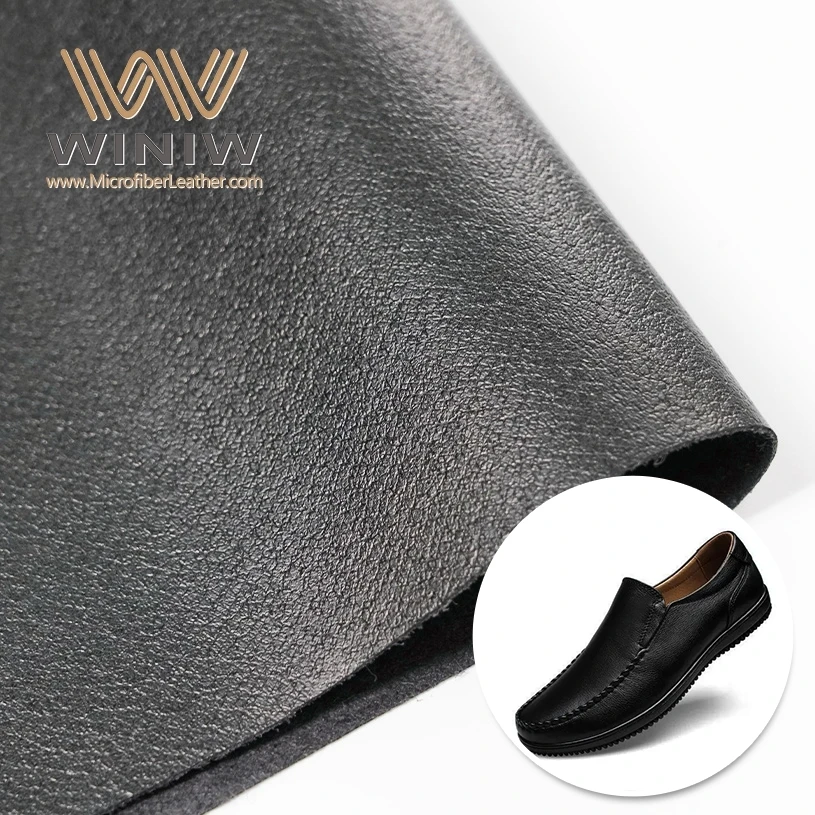
PU Synthetic Leather
Specify the PU coating system, substrate, thickness, surface and required performance together.
- Compare abrasion, flex, tear, peel and hydrolysis needs
- Define backing, thickness, surface and shoe processing
- Use the finished-shoe specification to shortlist articles

PVC Synthetic Leather
Review PVC formulation, backing, thickness, grain, service temperature and footwear processing as one specification.
- Compare flexing, abrasion, peel, tear and cold behavior
- Define backing, gauge, grain and expected exposure
- Confirm chemical restrictions for the destination market
Compare Microfiber, PU and PVC Before Sampling
No material family is automatically the right choice for every safety shoe. Use the same project brief to compare candidate constructions on equivalent test and processing criteria.
| Selection Factor | Microfiber | PU Leather | PVC Leather |
|---|---|---|---|
| Starting Point | Component, structure and demanding wear or flex requirement | Coating system, substrate and balanced footwear specification | Formulation, backing, service conditions and process requirement |
| Flexing | Specify method, cycles and failure criterion | Specify method, cycles and hydrolysis context where relevant | Specify flex method together with expected temperature range |
| Abrasion | Confirm the exact surface and article-level result | Match coating and backing to the wear zone | Confirm formulation, surface and test endpoint |
| Peel & Tear | Review internal structure, coating bond and stitching risk | Review coating adhesion, substrate and seam requirement | Review backing, bond and upper-processing requirement |
| Appearance | Smooth, grain, suede-like or coated surface depending on article | Matte, glossy, embossed or other application-specific finish | Repeatable grain, finish and cleanable surface options |
| Approval Basis | Approved sample, TDS, relevant tests and bulk confirmation | Sample, specification, required evidence and bulk criteria | Sample, TDS, test method, compliance scope and bulk criteria |
Available upper thicknesses include 1.2, 1.4, 1.6, 1.8 and 2.0 mm. Final thickness should be confirmed against the backing, shoe construction, lasting process and required tests.
Start with the Failure Risk, Not Only the Material Name
Define the failure mode the upper must resist and the test used to approve it.
Abrasion & Scuffing
Define the wear zone, test method, load or abradant, cycle count and acceptable endpoint.
Repeated Flexing
Specify the flex method, conditioning, cycle requirement and the cracking or delamination criterion.
Peel & Bonding
Confirm whether the risk is coating adhesion, lamination, sole bonding or another assembly interface.
Tear & Stitching
Review eyelet, lace, seam and heavily stitched areas together with backing and specimen direction.
Water, Oil & Cleaning
State the actual liquid exposure and required method rather than using a general waterproof claim.
Cold, Hydrolysis & Aging
Define service temperature, humidity, aging conditions and test scope for the selected construction.
Match the Material to the Part of the Safety Shoe
The same shoe can require different material behavior at the vamp, quarter, eyelet area, heel, tongue or lining.

Vamp / Toe Area
Prioritize repeated flexing, abrasion, surface integrity and compatibility with the upper construction.
Quarter / Side Upper
Review tear, support, visual consistency, sewing and the required hand feel.
Eyelet / Lace Area
Check tear resistance, stitch retention and reinforcement needs around concentrated load points.
Heel / Counter Area
Consider scuffing, shape retention, lasting behavior and the construction used around the counter.
Tongue / Collar
Balance softness, flexibility, surface feel, weight and any lamination or padding process.
Lining / Reinforcement
Define thickness, moisture behavior, bonding, comfort and the finished-shoe test requirement.
Send the Specifications That Control Material Selection
Include the construction, conversion process and approval criteria in your RFQ.
Material & Appearance
- Material RouteMicrofiber, microfiber suede, PU, PVC or need recommendation
- DimensionsTarget thickness, usable width and tolerance if critical
- BackingWoven, knitted, non-woven or reference construction where applicable
- SurfaceColor, grain, gloss, hand feel, embossing or approved swatch
Processing & Approval
- ComponentUpper, vamp, quarter, reinforcement, lining or other shoe part
- ConversionCutting, skiving, sewing, bonding, lamination or lasting process
- PerformanceRequired test method, conditions and acceptance limit
- SupplyTrial quantity, annual volume, destination and target date
Replacing an Existing Safety Shoe Upper Material?
Send the current material reference, swatch details, TDS, shoe photos or test plan. We can narrow suitable microfiber, PU or PVC candidates for sampling.
- Current material or article code
- Thickness, backing, color and grain
- Known failure issue or target improvement
- Buyer test method and acceptance limit
- Trial quantity and annual demand
Control Sample Approval, Testing and Bulk Production to the Same Standard
Material approval should stay tied to the exact specification, test scope and accepted sample.
1. Define
Confirm component, construction, dimensions, appearance, processing method and required tests.
2. Match & Sample
Shortlist candidate articles and review color, grain, backing and applicable evidence.
3. Test & Approve
Run the required conversion and performance trials, then record the approved sample and criteria.
4. Control Bulk Production
Inspect agreed critical characteristics, final rolls, packing and traceability against the approved order.


Safety Footwear Test Scope
If an EN ISO 20345 requirement or a brand-specific method applies, provide the exact shoe component, material code, target edition or clauses and acceptance criteria.
- Flexing, abrasion, peel and tear may be high-priority checks
- Hydrolysis, cold behavior or restricted substances depend on the construction and market
- Test method, specimen, conditions and result format should be defined before comparison
Verify Test Scope for the Exact Material
SGS report SL918192716604FW-01, dated 19 September 2018, records selected EN ISO 20345:2011 tests for one submitted suede microfiber sample. It does not certify every WINIW material.
- Check the exact material or sample covered
- Review report date, method, result and scope
- Confirm whether current testing is required for the project
Develop the Article Around the Approved Shoe Specification
We can review color, texture, hand feel, gloss and physical-property requirements for the proposed article. Confirm feasibility and acceptance on the exact sample before bulk production.
| Development Item | What to Define | How to Approve |
|---|---|---|
| Color | Pantone reference, physical sample or buyer color standard | Approved swatch and agreed batch shade tolerance |
| Texture & Grain | Grain pattern, embossing depth, surface look and feel | Physical surface sample or agreed visual reference |
| Hand Feel & Gloss | Softness or rigidity, matte or shining surface | Reference sample and component trial |
| Physical Performance | Tear, tensile, peel, hydrolysis, abrasion, flexing or temperature-related requirement | Agreed method, specimen, conditions and acceptance limit |
Safety Shoe Material FAQ
The choice depends on the shoe component, construction, processing method, service conditions and required tests. Compare candidate articles against the same flexing, abrasion, peel, tear, climate and compliance criteria rather than selecting by the material family alone.
Our current safety-footwear range lists 1.2, 1.4, 1.6, 1.8 and 2.0 mm upper options. The correct thickness still depends on the backing, component design, lasting and sewing process, required hand and test criteria.
We can review the current material reference, swatch details, TDS information, shoe photos and required tests to narrow candidate articles. Final equivalence should be confirmed by sample comparison, production trials and the agreed acceptance criteria.
Typical risks can include flexing, abrasion, peel, tear and application-specific climate or chemical requirements. The exact method, specimen, conditions and acceptance limit should come from the buyer, finished-shoe specification, target standard or brand requirement.
Sample and document review should be tied to the exact proposed construction. Tell us which TDS, report, test method or other evidence is required so we can check the applicable material and current scope before production approval.
We connect the approved specification to incoming checks, in-process inspection, project-selected testing, final roll inspection, packing requirements and traceability records. Sampling frequency and acceptance limits should be agreed for the individual order.
Send Your Safety Shoe Specification for Material Matching
Include the component, thickness, surface, backing, required tests, quantity and destination country.