


Microfiber Suede for Sustainability-Focused Furniture Projects
This microfiber suede is intended for furniture projects where material construction, recycled-content requirements, chemical specifications and upholstery performance need to be reviewed together.
Terms such as recycled, vegan, water-based, DMF-free and low-VOC describe different material questions. The purchase specification should identify which requirements apply to the exact upholstery article being selected.
What should be defined before sampling?
Provide the furniture application, target gauge and width, color, nap, backing, recycled-content requirement, chemical requirements, relevant certification needs and the upholstery tests required for project approval.
For sofas, chairs, headboards and decorative upholstered panels.
Recycled-content claims can be reviewed against the selected article and available documentation.
Sustainability requirements remain separate from upholstery durability tests.
Approve the Complete Upholstery Construction
The fiber, PU system, backing, color and surface finish should be treated as one material construction. Changes to one layer can affect both technical performance and the scope of sustainability or chemical documentation.
- Identify the microfiber polymer and substrate
- Define the recycled-content requirement where applicable
- Identify the PU and backing construction
- Approve color, nap direction and hand feel
- Retain the approved article for bulk comparison

Material Specification for Furniture Upholstery
| Material Family | Microfiber suede for furniture upholstery |
|---|---|
| Thickness | 0.8 mm, 1.0 mm and 1.2 mm are currently referenced for this product; match the selected gauge and tolerance to the upholstery construction |
| Usable Width | 137 cm / 54 in is currently referenced; match usable production width to the cutting and nesting plan |
| Fiber / Substrate | Identify polymer type, substrate construction and recycled-content route where required by the project |
| PU System | Identify the PU construction and any processing or residual-chemical requirements included in the purchase specification |
| Color & Nap | Use a physical color reference with an agreed nap direction, hand feel and acceptable visual variation |
| Backing / Lamination | Specify backing, foam, adhesive or other layers used in the finished furniture construction |
| Recycled Content | State the required source, percentage and calculation basis where recycled content forms part of the project |
| Documentation | Identify the recycled-content, certification, restricted-substance or other material evidence required for the selected article |
Separate Sustainability Claims Before Material Approval
Recycled Content
Identify which component contains recycled material, the source category and the percentage basis used for the claim.
Chain of Custody
Where GRS or another traceability system is required, match the applicable certification and transaction evidence to the ordered material.
Water-Based PU
Water-based processing describes the resin or processing route. It does not by itself establish VOC, odor or restricted-substance performance.
DMF Requirement
Where DMF is controlled, use the specified analytical method, reporting limit and evidence for the exact article.
Vegan Material
Define the buyer's composition requirement separately from recycled content, chemical compliance and environmental certification.
Environmental Claims
Carbon, water or other lifecycle claims require appropriate environmental data and should not be inferred from recycled content alone.
Sustainability Does Not Replace Upholstery Performance
Sofas and seating still have to withstand rubbing, seams, cleaning, aging and other stresses created by the finished furniture design. Use the tests required by the project rather than a generic sustainable-material rating.
Abrasion
Use Martindale, Wyzenbeek or another specified method with the relevant load, abradant, cycles and failure endpoint.
Tear & Seam
Evaluate the relevant material direction and seam construction using the required method and acceptance limit.
Hydrolysis & Aging
Set the temperature, humidity, exposure period and acceptable post-aging surface or mechanical result.
Cleanability
Test representative contaminants and cleaners using an agreed procedure and acceptable appearance change.
Colorfastness
Apply the required rubbing, light or other exposure method to the intended production color.
Flammability & Emissions
Use the relevant destination-market or project method on the applicable material or furniture composite.
Match the Material to the Furniture Application
The balance of softness, backing, maintenance and durability changes with the furniture component. Sustainability requirements should therefore remain tied to the actual application and finished construction.
Residential Sofas
Balance hand feel, cleaning, seam performance, color and material requirements.
Contract Seating
Add higher-frequency abrasion, maintenance, seam and project-specific flame requirements.
Headboards
Prioritize large-panel color consistency, nap direction and backing compatibility.
Decorative Panels
Review wrapping, adhesive compatibility, appearance and applicable material documentation.
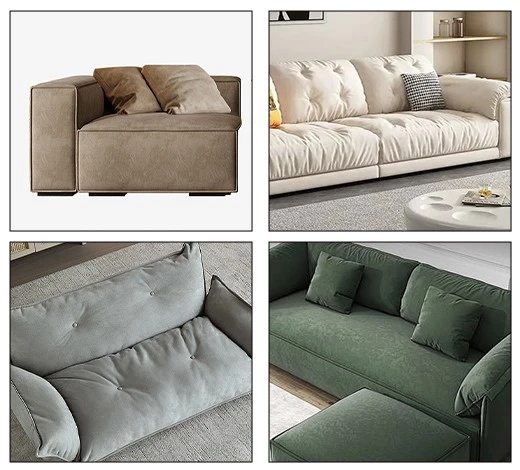
Keep Color and Sustainability Evidence Linked to the Same Article

Different shades and finishes can involve changes in pigment, surface treatment or finishing route. When a project relies on chemical or sustainability documentation, the evidence should be checked against the same article that will enter bulk production.
- Approve a physical color and surface reference
- Record gauge, backing and nap direction
- Link required documents to the production article
- Re-test affected properties after construction changes
- Retain the approved sample for bulk comparison
Qualify the Article Before Bulk Production
Set furniture application, construction, sustainability and test requirements.
Match gauge, color, nap, fiber route, PU system and backing.
Check the documents and test reports relevant to the selected material.
Build the upholstery sample and retain the accepted construction for bulk use.
Request Microfiber Suede for Your Furniture Project
Share the furniture application, target gauge and usable width, color and nap reference, backing, recycled-content requirement, chemical or certification requirements, upholstery tests, expected volume, destination and project schedule.
Request Upholstery Material SampleSustainable Microfiber Suede FAQs
Is this microfiber suede GRS certified?
GRS status should be checked against the exact material, supplier scope and applicable transaction requirement. Review the current certification and traceability evidence before using GRS in a product claim.
Can recycled content be specified for this upholstery material?
Recycled-content requirements can be included in the sourcing specification. State the required source, percentage and calculation basis so the proposed article and supporting documentation can be reviewed together.
Does water-based PU automatically mean zero VOC?
No. Water-based processing and VOC performance are separate questions. Where VOC is controlled, use the required test method, specimen construction and acceptance limit.
Is microfiber suede automatically DMF-free?
Do not assume DMF status from the material name or processing description. Where DMF is restricted, review material-specific evidence using the required analytical method and reporting limit.
Does recycled content reduce upholstery durability?
Recycled origin alone does not determine durability. Abrasion, tear, seam, hydrolysis and other upholstery properties should be evaluated on the proposed material construction using the project test methods.
What information should be included in an upholstery material RFQ?
Include the furniture application, gauge, usable width, color, nap, backing, recycled-content requirement, certification or chemical requirements, performance tests, quantity, destination and project schedule.
Hot Tags: sustainable microfiber suede, recycled microfiber suede, vegan suede upholstery, microfiber suede for furniture, sustainable synthetic suede, upholstery suede supplier, microfiber suede fabric, suede polishing cloth, faux microsuede fabric, microsuede by the yard, microfiber suede for packing, microfiber suede


