Automotive Microfiber Suede for Interior Trim
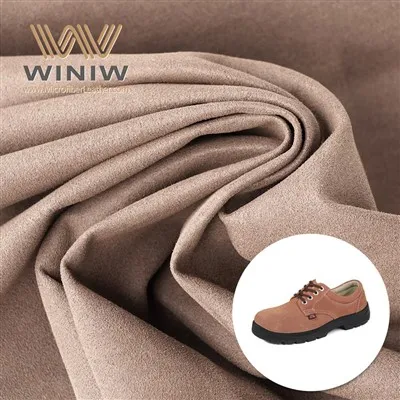
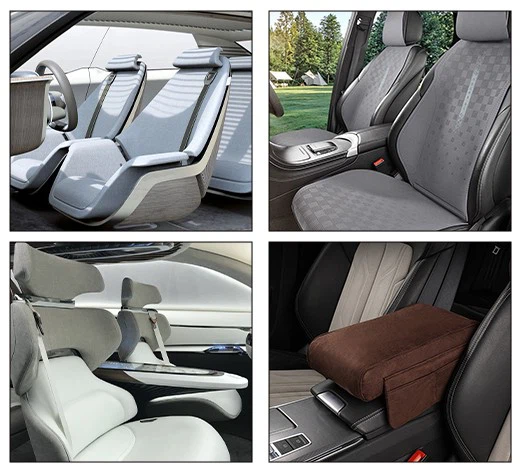
Automotive microfiber suede should be selected around the exact interior component, lamination system, light exposure, abrasion requirement, flammability requirement and cabin-emission specification. This material can be evaluated for headliners, pillars, seat inserts and decorative trim where a soft suede surface and controlled appearance are required.
What should automotive buyers define before sampling?
Specify the interior component, target gauge, backing or lamination, color, nap direction, forming requirement, abrasion method, lightfastness requirement, flammability standard, VOC or fogging test and annual volume.

Automotive Approval Requires More Than a Suede Appearance
Flammability
Confirm the exact standard, specimen construction, burn direction, laboratory report and result required by the vehicle program.
VOC & Cabin Emissions
Evaluate the proposed material using the required VOC, odor or fogging method. Do not treat a general low-VOC description as proof of program compliance.
Lightfastness
Dashboards, pillars and other exposed trim may require controlled light exposure testing with an agreed rating and appearance endpoint.
Abrasion
Seat inserts and frequently touched trim should be checked using the specified abrasion method, load, abradant and failure endpoint.
Moldability
Headliners and pillars should be trialed on the actual substrate, adhesive and forming geometry rather than judged from hand stretch alone.
Batch Appearance
Define the approved color, nap direction, gloss, surface texture and acceptable lot variation for visible interior parts.

Microfiber Suede Construction for Interior Components
The current product information describes a sea-island microfiber-based suede construction. For automotive development, the face material should be assessed together with any backing, foam, adhesive or lamination used in the finished component.
The listed article currently includes 0.6 mm and 1.2 mm gauge references with a 137 cm / 54 in roll width. These values should be confirmed on the exact production specification before cutting or lamination planning.
Any change to gauge, backing, color treatment or finish can affect forming, emissions, abrasion, lightfastness and flammability results.
Automotive Material Data and Approval Checks
| Field | Listed Article Information | Project Approval Check |
|---|---|---|
| Material Route | Microfiber suede construction | Confirm face material, backing, foam and lamination for the exact component |
| Gauge | 0.6 mm / 1.2 mm currently listed | Confirm nominal gauge, tolerance and measuring method |
| Roll Width | 137 cm / 54 in currently listed | Confirm usable width, edge allowance and roll specification |
| Flammability | FMVSS 302 / ISO 3795 / GB 8410 references are currently listed | Confirm the exact tested specimen, backing, method, laboratory, report date and result |
| VOC / Emissions | VDA 278 is currently referenced | Confirm analytes, test specimen, method, laboratory and project limit |
| Lightfastness | ISO 105-B02 Grade 4–5 is currently referenced | Confirm light source, exposure condition, rating system and tested color |
| Abrasion | Current information references more than 100,000 Martindale cycles for a seat-gauge article | Confirm pressure, abradant, specimen construction, conditioning and failure endpoint |
| Peel / Lamination | A peel-strength value is currently referenced | Confirm whether the value relates to material layers or the final automotive laminate |
| MOQ / Lead Time | Project-specific | Confirm color, gauge, backing, lamination, quantity and validation requirements |
Separate Automotive Tests by Failure Mechanism
FMVSS 302 / ISO 3795
Use the required horizontal burn method and confirm whether the tested specimen matches the face material alone or the final laminated component.
GB 8410
For vehicle programs using GB 8410, verify the exact specimen build, conditioning, test result and applicable vehicle requirement.
VDA 278
Use the report to evaluate the tested material's emission profile. Do not translate a sample-specific result into a claim of zero VOC or zero odor.
Light Exposure
Specify the lightfastness method, exposure condition and acceptable color or appearance change for each visible interior location.
Martindale Abrasion
A cycle number should always be paired with load, abradant, endpoint and specimen construction before two materials are compared.
Fogging / Odor
If the vehicle program controls fogging or odor, define the specific method and limit separately rather than assuming VDA 278 covers every cabin-air criterion.
Match the Suede Construction to the Interior Component
Headliners
Prioritize low visual distortion, lamination compatibility, forming behavior, lightfastness and the required flammability evidence.
A / B / C Pillars
Evaluate stretch, edge wrapping, adhesive compatibility and wrinkle control on the actual molded component.
Seat Inserts
Review abrasion, seam behavior, color transfer, cleaning and repeated surface compression with the complete seat construction.
Console & Door Trim
Check visible appearance, hand contact, cleaner exposure, light exposure and bonding to the selected trim substrate.
Color, Nap and Interior Appearance Need Physical Approval
Approve color and nap against a retained physical sample under the chosen interior lighting condition.

Different colors can respond differently in lightfastness and appearance testing, so color changes should be included in validation.

Component geometry, backing and assembly process can change the required material construction from one interior location to another.
From Material Sample to Automotive Interior Approval
State the headliner, pillar, seat insert or trim component and its substrate.
Confirm gauge, color, nap, backing, lamination and appearance standard.
Form, laminate, sew or wrap the material using the intended production process.
Run the required flammability, emission, light, abrasion and component tests.
OEM Color, Gauge and Lamination Development
Automotive programs can be reviewed by component, color, nap, gauge, backing, foam or lamination requirement. A physical master sample is preferred when an existing interior appearance must be matched.
Component Drawing
Identify the exact interior part and any tight radius, seam, wrap or molded surface that affects material forming.
Color & Nap
Provide the physical master, target color, nap direction and acceptable visual variation.
Gauge & Backing
Define material thickness, backing and any foam or adhesive system used in the finished component.
Test Package
List the required flammability, emissions, fogging, odor, lightfastness, abrasion or other OEM methods.
Commercial Volume
Provide trial quantity, expected program volume, color split and repeat-order requirements.
Delivery Scope
State destination, packing, roll format, validation timing and target production schedule.
Automotive Microfiber Suede FAQs
Does this microfiber suede automatically comply with FMVSS 302?
No universal compliance should be assumed from the material name. Confirm the test report for the exact specimen, including color, gauge, backing or lamination, laboratory, date and measured result required by the vehicle program.
Does VDA 278 mean the material has zero VOC emissions?
No. VDA 278 reports defined volatile and semi-volatile emissions from the tested specimen. The actual report and vehicle-program limits should be reviewed rather than converting the result into a zero-VOC claim.
Which thickness options are currently listed?
The current article lists 0.6 mm and 1.2 mm options. Confirm the nominal gauge, tolerance, backing and lamination because the selected construction depends on the interior component.
Is more than 100,000 Martindale cycles enough to approve seat trim?
Not by itself. Confirm pressure, abradant, specimen construction, conditioning and failure endpoint, then evaluate seams, cleaning, color transfer and the complete seat assembly separately.
Can the same microfiber suede be used for headliners and seats?
Possibly, but the approval criteria differ. Headliners emphasize forming and lamination, while seat inserts place greater weight on abrasion, seams, cleaning and repeated contact. Confirm the construction for each component.
What information should an automotive RFQ include?
Send the interior component, gauge, backing or lamination, physical color reference, nap direction, required automotive tests, trial quantity, program volume, destination and validation schedule.
Request Microfiber Suede for Your Automotive Interior Project
Share the vehicle interior component, target gauge, color and nap reference, backing or lamination, required flammability, VOC, fogging, lightfastness and abrasion tests, quantity and validation schedule. We can match the proposed article, sample and available technical evidence to your project.
Hot Tags: automotive microfiber suede, microfiber suede for car interiors, automotive suede material, microfiber suede headliner, suede for automotive trim, automotive microfiber suede supplier, micro suede upholstery fabric, microsuede cleaning cloth, suede microfibre, microfiber suede, microsuede by the yard, suede microfiber towel