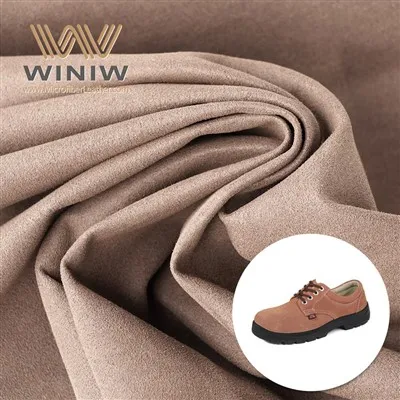
Soft-Touch Microfiber Suede for Garments That Need Drape
Soft-touch microfiber suede for garments is suited to jackets, coats, fashion panels and other sewn applications where the material must combine a suede-like hand feel with controlled drape and repeatable roll construction.
Garment buyers should evaluate softness together with thickness, weight, nap direction, flexibility, rubbing colorfastness and sewing behavior. A material that feels soft as a loose swatch may perform differently once cut, seamed and assembled into a garment.
- Fashion jackets and coats
- Soft garment panels
- Collars and trim sections
- Light fashion accessories
- Custom color development
- Sample-based hand-feel matching

Softness Is More Than a Surface Description
Hand Feel + Drape
Garment softness depends on the interaction between microfiber fineness, PU impregnation, overall thickness, surface buffing and backing structure. These factors also influence how the material folds, hangs and returns after movement.
For coats or loose fashion silhouettes, a useful sample review should include a hanging panel rather than only a small hand swatch. This allows the buyer to judge stiffness, fold radius and visual drape under gravity.
Specify the Target
Send an approved garment swatch or reference material when the project requires a particular level of softness. Include the finished garment type and identify whether the suede is used for the whole shell, a panel, trim or lining.

Match the Suede Structure to Cutting and Sewing
The current product is described as a sea-island polyamide microfiber material with flexible PU impregnation. The complete composition and structure should be confirmed against the selected SKU and current TDS before production approval.
For apparel, the construction should be evaluated for cut-edge behavior, seam stability, puckering, needle marking and the amount of bulk created where several layers overlap.
Confirm Garment-Grade Specifications Before Bulk Production
| Material Family | Microfiber suede for garment and fashion applications |
|---|---|
| Construction | Sea-island polyamide microfiber with PU impregnation; confirm complete composition for the selected SKU |
| Thickness | Current product page lists 0.5 mm, 0.6 mm, 0.8 mm and 1.0 mm; confirm tolerance in the approved TDS |
| Usable Width | Current page lists 137 cm; confirm usable width and edge allowance for production cutting |
| Weight | Confirm unit-area weight for the exact thickness and construction selected |
| Nap / Surface | Define nap direction, density, writing effect, color and required hand feel |
| Backing | Confirm whether the garment design requires the standard backing or additional lamination |
| Drape / Hand Feel | Approve against a physical reference and garment-size panel where possible |
| Roll Length | Confirm roll length, defect allowance and packing format in the commercial specification |
Test What Can Change the Look or Feel of the Finished Garment
Apparel material approval should consider movement, rubbing, moisture and cleaning conditions in addition to initial softness.
| Requirement | What the Buyer Should Define |
|---|---|
| Rubbing Colorfastness | Test method, dry/wet condition, rubbing cycles and required staining or color-change grade |
| Flexing | Flex method, number of cycles, specimen direction and allowable cracking or surface change |
| Cold Flex / Cold Crack | Required temperature, conditioning time and failure criterion for cold-market garments where relevant |
| Drape | Define panel size, conditioning method and target feel or reference material |
| Seam Performance | Needle size, stitch density, seam construction and acceptable puckering or edge deformation |
| Cleaning / Washing | State the intended care method, temperature, detergent, cycle count and allowable change in feel or appearance |
| Skin-Contact Requirement | Identify the buyer's applicable chemical restriction or compliance requirement for the destination market |
Approve Color Together with Nap Direction
Sueded microfiber can appear lighter or darker when the nap is brushed in different directions. Color approval should therefore consider both the color standard and the visual effect created by the surface pile.
For fashion collections, send a physical swatch, approved color reference or existing material sample. Also specify whether different garment panels must be cut in one consistent nap direction.
- Physical color reference
- Target nap direction
- Surface writing effect
- Required thickness
- Seasonal collection quantity
- Bulk color approval method

Choose Thickness and Drape by Garment Construction


Run Cutting and Sewing Trials Before Final Approval
A garment material should be evaluated on the production process it will actually use. Trial cutting and sewing can reveal edge distortion, puckering, needle marks and excess seam bulk that are difficult to judge from a loose swatch.
For a new OEM program, include the garment type, panel location, target thickness, width, color, hand-feel reference and intended care method when requesting a development sample.
Keep the Approved Hand Feel and Color Connected to the Bulk Specification
Continue the Garment Material Review
FAQ for Soft-Touch Microfiber Suede Garments
What garments can use soft-touch microfiber suede?
It can be evaluated for jackets, coats, fashion panels, collars, trims and other sewn applications. The appropriate thickness, weight and backing depend on the garment structure and required drape.
How should microfiber suede softness be evaluated?
Use a physical reference and evaluate the proposed material at the required thickness and panel size. Hand feel, nap, stiffness and drape should be reviewed together rather than relying on one descriptive term such as "soft."
Can color and hand feel be customized for fashion collections?
Custom development can be discussed using a physical color reference or material swatch. Provide the target color, thickness, nap character, hand feel and expected order scope for sample matching.
Is rubbing colorfastness important for garments?
Yes, especially for dark colors, contrasting linings and garments with repeated skin or fabric contact. State the required test method, dry or wet condition and acceptance grade in the material specification.
Can the material be machine washed?
The intended garment care method should be confirmed for the specific SKU. If machine washing is required, define the temperature, detergent, cycle count, drying method and acceptable change in softness, color and surface appearance.
What information is needed for a garment material quotation?
Provide the garment type, material location, thickness, usable width, color or swatch reference, required hand feel, expected quantity, performance requirements, destination market and project schedule.
Request a Soft Microfiber Suede Sample, TDS and Quote
Send the garment type, panel or component, target thickness, usable width, color or physical reference, required hand feel, quantity, colorfastness or care requirement, destination market and project schedule.
Hot Tags: soft-touch microfiber suede for garments, microfiber suede manufacturer, microfiber suede supplier, microfiber suede for garments, custom microfiber suede, wholesale microfiber suede, micro suede upholstery fabric, microsuede upholstery fabric by the yard, microsuede upholstery fabric, faux microsuede, blue microsuede, heavy microsuede fabric