


Abrasion-Resistant Microfiber Material for Safety Work Boots
This microfiber-based upper material is intended for safety work boots and industrial footwear where toe, vamp, quarter and side panels can experience repeated rubbing against rough workplace surfaces. Material approval should combine abrasion testing with the actual upper construction and wear zone.
What should safety-footwear buyers define first?
Specify the boot type, high-wear panel, target gauge, surface reference, abrasion method, required failure endpoint, flex requirement, seam construction, hydrolysis condition and expected production volume before approving a sample.

High-Wear Safety Boots Fail in Specific Upper Zones
Toe Area
Toe panels can contact concrete, pallets, steps and workshop equipment during kneeling, climbing and material handling.
Vamp
The vamp combines repeated flexing with surface contact, so abrasion and flex requirements should be evaluated separately.
Outer Quarters
Side panels may rub against ladders, machinery, steel structures and other rough surfaces during industrial work.
Reinforcement Panels
Localized overlays can use a higher-wear material without requiring every upper panel to use the same construction.
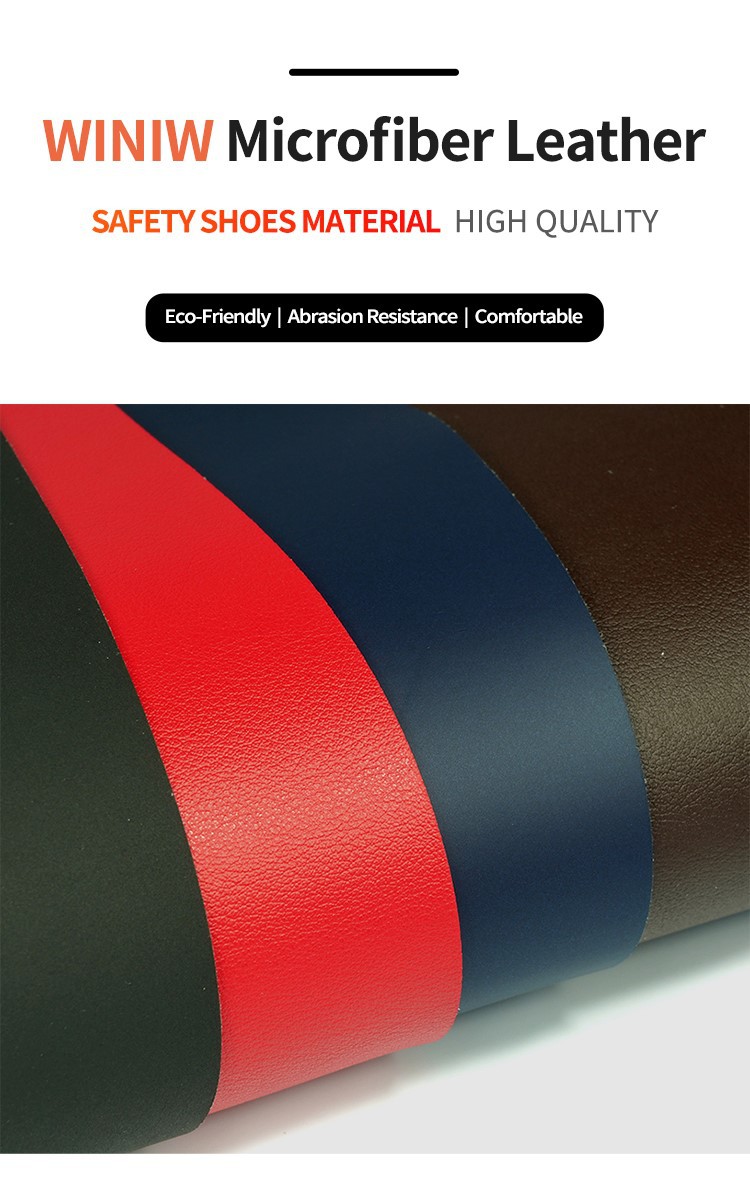
Microfiber-Based PU Construction for Work-Boot Uppers
The current product information identifies the material as a PU microfiber leather or microfiber-based safety-footwear material. The listed gauge range is 1.2 mm to 2.0 mm, with a listed width of 1.37 m / 54 in.
For footwear production, the complete construction should be reviewed for cutting, skiving, sewing, lasting, flexing and layer integrity rather than judging only the top surface.
Color, gauge, backing and surface treatment can change the way the material behaves during upper production and should remain linked to the approved sample.
Material Specifications and Buyer Approval Points
| Field | Listed Product Information | What to Confirm |
|---|---|---|
| Material Type | PU microfiber leather / microfiber-based footwear material | Exact substrate, surface system and ordered article |
| Thickness | 1.2 / 1.4 / 1.6 / 1.8 / 2.0 mm | Nominal gauge, tolerance and measuring method |
| Width | 1.37 m / 54 in | Usable width and edge allowance |
| Color | Black, white, blue, brown, red and custom colors are currently shown | Physical master sample and acceptable lot variation |
| Abrasion | Product is currently positioned as abrasion resistant | Method, abradant, load, specimen condition, cycles and failure endpoint |
| Flex Resistance | Folding / flex resistance is currently promoted | Bally or other required method, temperature, cycles and failure criteria |
| Hydrolysis | Hydrolysis resistance is currently promoted | Aging temperature, humidity, time and post-aging evaluation |
| Chemical Requirements | Heavy-metal, cadmium, phthalate and PAH-related claims appear in existing assets | Exact analytes, test method, limits, tested SKU, laboratory and report date |
| Safety Footwear Standard | EN ISO 20345 / S1 / S2 references appear in current product assets | Finished-footwear requirement and the supporting role of material-level evidence |
Do Not Compare Abrasion Resistance Without the Test Method
Martindale Abrasion
Define the method, pressure, abradant, specimen conditioning and endpoint. Surface change, coating loss and structural exposure are different failure criteria.
Taber Abrasion
State wheel type, applied load, cycle count and result endpoint. Taber cycles should not be converted directly into Martindale rubs.
Visual Surface Wear
Record grain loss, gloss change, discoloration, fiber exposure or other agreed appearance changes after abrasion.
Post-Abrasion Integrity
Where required, follow abrasion with tear, peel or flex evaluation to determine whether the remaining upper structure is still usable.
Abrasion, Flexing, Hydrolysis and Tear Measure Different Risks
Abrasion
Measures surface damage caused by repeated rubbing or contact with an abrasive medium under a defined test method.
Flexing
Evaluates repeated bending around the toe and vamp and should include test temperature and cycle count.
Hydrolysis
Evaluates PU aging under defined heat and humidity conditions and should not be inferred from abrasion results.
Tear
Measures propagation from an existing cut or notch and does not directly prove eyelet or seam durability.
Peel
Evaluates separation between defined layers or bonded assemblies and requires the exact specimen construction to be stated.
Seam Performance
Depends on needle, thread, stitch density, seam allowance and reinforcement as well as the material itself.
Match the Material to the Work Environment
Construction
Review toe and side-panel contact with concrete, aggregate, ladders and steel edges.
Heavy Manufacturing
Evaluate repeated contact with workshop floors, machinery, metal parts and kneeling surfaces.
Warehousing
Include pallet contact, floor abrasion and repeated wear around the toe and outer side panels.
Maintenance
Consider tools, equipment edges, dirty surfaces and repeated bending during repair work.
Approve the Material After Cutting, Sewing and Lasting
Check surface consistency, gauge, edge quality and usable width.
Evaluate stitch holes, seam allowance, reinforcement and edge behavior.
Inspect the surface after stretching around toe, vamp and side geometry.
Test the representative upper using the agreed abrasion and related methods.
Use High-Abrasion Material Where the Wear Risk Is Highest

Different upper zones may prioritize abrasion, flexing, hydrolysis resistance or comfort differently.
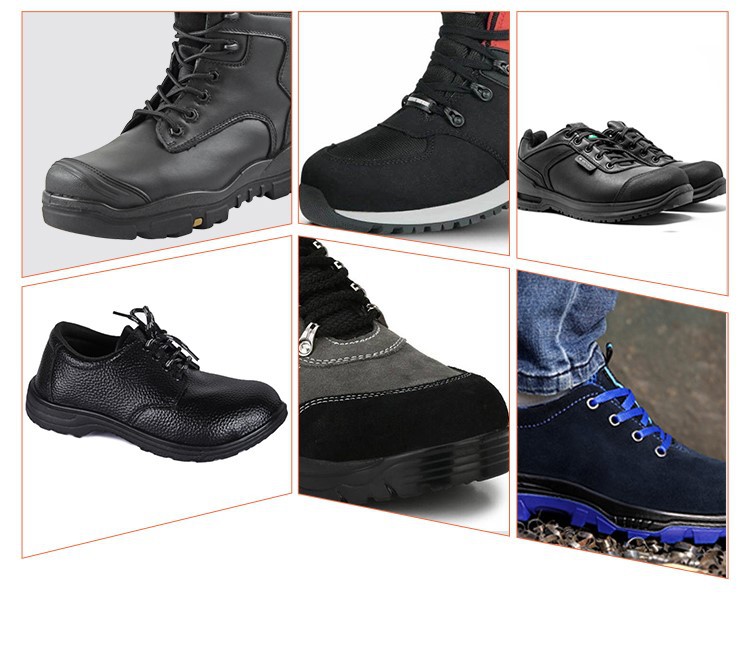
Boot geometry and workplace use should determine where higher-wear material is actually required.
Color, grain and gauge should remain linked to the retained sample used for production approval.
OEM Safety Footwear Material Review
For a useful sample recommendation, define the actual wear condition rather than requesting only a general "high abrasion" material.
Boot Type
State the safety shoe or work-boot category and intended work environment.
Upper Zone
Identify the toe, vamp, quarter, side panel or reinforcement location.
Gauge & Surface
Provide thickness, color, grain and retained material reference where available.
Abrasion Requirement
Specify the method, load, abradant and acceptance endpoint.
Additional Tests
List flex, hydrolysis, tear, peel, seam or chemical requirements separately.
Commercial Scope
Provide trial quantity, expected volume, destination and target production schedule.
Abrasion-Resistant Safety Footwear Material FAQs
What makes this material suitable for high-wear safety boot zones?
The material is positioned for upper zones exposed to repeated rubbing and scuffing. Final suitability should be confirmed on the selected gauge and upper construction using the abrasion method required by the footwear program.
How many abrasion cycles can the material withstand?
A cycle count should not be used without its test method. Provide the required Martindale, Taber or other abrasion method, load, abradant and failure endpoint so the relevant material evidence can be reviewed.
Is abrasion resistance the same as flex resistance?
No. Abrasion measures surface damage from rubbing, while flex testing evaluates repeated bending. Both may be important for safety footwear, but they require separate methods and acceptance limits.
Which thickness options are currently listed?
The current product information lists 1.2, 1.4, 1.6, 1.8 and 2.0 mm. Select the final gauge according to the upper panel, wear zone, flexibility and production construction.
Does EN ISO 20345 certify this raw material?
No. EN ISO 20345 applies to finished safety footwear. Material-level evidence can support development and qualification, but the raw upper material should not be presented as independently certified to the complete footwear standard.
What should be included in a safety-footwear RFQ?
Send the boot type, high-wear upper zone, target gauge, color or surface reference, abrasion method and endpoint, flex or hydrolysis requirements, quantity, destination and project schedule.
Request an Abrasion-Resistant Safety Footwear Sample
Share the work-boot type, high-wear panel location, target gauge, surface reference, abrasion method, required endpoint, related flex or hydrolysis tests, quantity and destination. We can review the proposed article, sample and available technical evidence for your project.
Hot Tags: abrasion resistant microfiber for safety boots, safety boot upper material, microfiber suede for safety shoes, work boot upper material, abrasion resistant footwear material, safety footwear microfiber supplier, faux microsuede, heavy microsuede fabric, microfiber suede, navy blue microsuede, microsuede, microsuede upholstery fabric


