Qualify Antimicrobial Performance Before Using It as a Shoe Claim
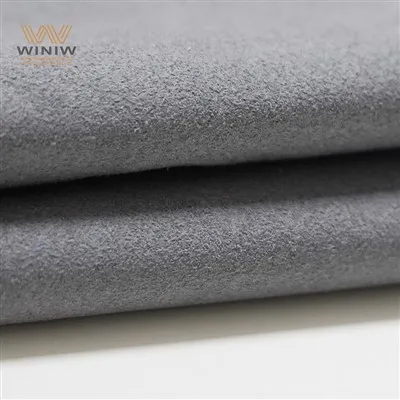
We supply this microfiber suede for safety-footwear programs where buyers want an antimicrobial material option together with the thickness, flexibility and processing behavior required for protective shoe uppers.
Antimicrobial performance should be approved through the actual test organism, method, reduction result and treatment durability. It should not be inferred only from the word "antibacterial" in a product name.
Intended for protective shoe upper development and trials.
This SKU is positioned around a heavier safety-shoe upper.
Test evidence should match the exact ordered construction.
Four Fields Are Needed to Make an Antimicrobial Result Meaningful
A percentage alone is not enough for supplier qualification. Buyers should be able to trace the antimicrobial statement to the tested organism, laboratory method, measured result and material condition.
Identify the bacterial species or strain covered by the report.
Record the standard or laboratory method, edition and test route.
State how antibacterial activity or reduction is calculated and reported.
Confirm whether the result applies before or after cleaning, aging, flexing or another durability treatment.
Lock the Safety-Footwear Construction Before Bulk Approval
| Material Type | Microfiber suede intended for safety footwear uppers |
|---|---|
| Target Thickness | The product is positioned as a 1.8–2.0 mm safety-footwear construction; confirm the exact production gauge and tolerance on the approved TDS before purchase |
| Usable Width | Confirm the minimum usable width on the current production specification and footwear cutting plan |
| Basis Weight | Confirm GSM for the selected thickness, backing, color and finish where material weight is a controlled field |
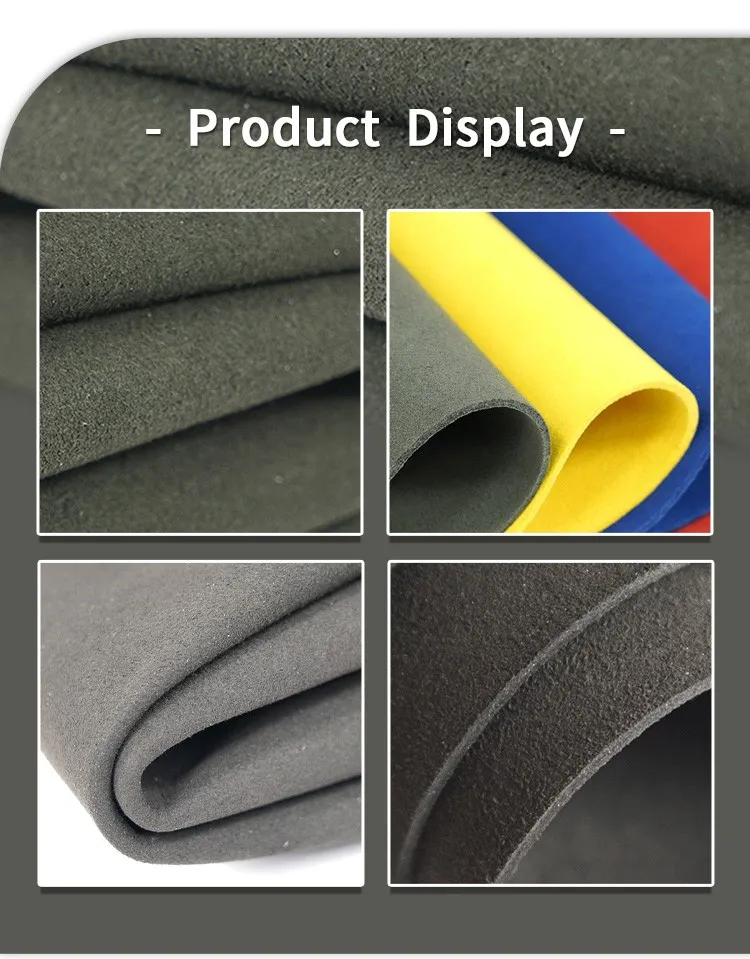
| Surface & Color | Define suede nap, color reference, surface feel and acceptable shade variation on a physical master |
| Backing | Confirm the substrate and any additional backing, lining or lamination used in the finished upper |
| Antimicrobial Requirement | State organism, test method, required reduction or activity result, sample condition and durability requirement |
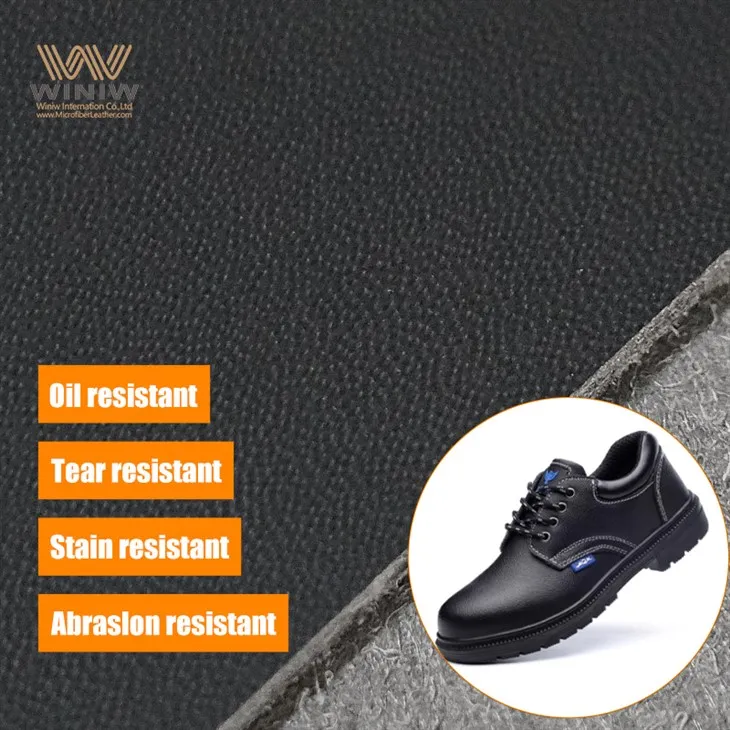
| Mechanical Requirement | Define abrasion, flexing, tear, tensile, peel, hydrolysis, oil resistance or cold-flex tests required by the project |
| MOQ & Lead Time | Confirm after thickness, color, test requirement, quantity and destination have been fixed |
Evaluate Thickness Together with Toe-Bend and Stitching Behavior
A thicker upper construction can provide more body, but gauge alone does not determine suitability for a safety shoe. The material still needs to move through cutting, sewing, forming and repeated forefoot bending without creating unacceptable surface or seam changes.
- Confirm the production gauge on the exact sample
- Cut toe, vamp, quarter and eyestay components
- Check stitch holes around high-stress seams
- Evaluate bending at the forefoot crease zone
- Repeat checks after lining and reinforcement are added
Keep Antimicrobial Performance Separate from Durability Testing
An antimicrobial result does not prove abrasion resistance, flexing durability or tear strength. These are separate material risks and should be qualified under their own methods.
Abrasion
Define Martindale, Taber or another method together with abradant, load, cycles and failure endpoint.
Bally Flexing
State method, temperature, conditioning, cycle target and the cracking or surface-change endpoint.
Tear & Tensile
Define specimen direction, geometry, test speed, unit and minimum acceptance requirement.
Peel Strength
Use when layer or backing adhesion is critical; specify sample width, direction, speed and conditioning.
Hydrolysis
State temperature, humidity, aging duration and required post-aging appearance or mechanical result.
Oil & Chemical Exposure
Name the actual oil or chemical, concentration, contact time and acceptable material change for the work environment.
Antimicrobial Material Does Not Automatically Mean Odor-Free Footwear
Odor in work footwear can be affected by perspiration, lining, socks, moisture retention, wear time, shoe drying and microbial activity. Antimicrobial material data can support a hygiene-focused material specification, but it should not be converted into an unconditional "odor-free" product claim.
Material-Level Claim
State only the antimicrobial activity demonstrated by the named sample and method.
Finished-Shoe Claim
Validate separately if a brand intends to make a consumer-facing hygiene or odor-control statement about the complete shoe.
Cleaning Durability
If long-term antimicrobial performance is required, define the cleaning, aging or conditioning route before retesting.
Documentation
Keep the TDS, test report and approved material reference linked to the exact production construction.
Apply the Material Where the Upper Construction Supports It
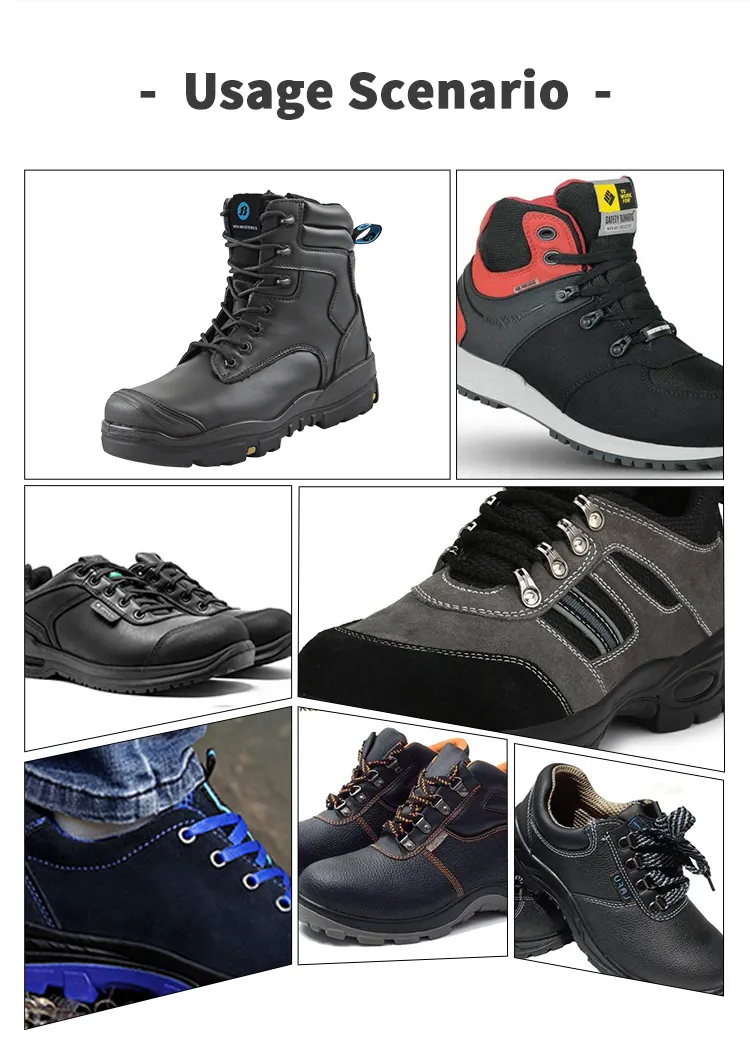
The same safety shoe can use different materials in the toe, vamp, quarter, collar and reinforcement zones. Antimicrobial positioning does not remove the need to evaluate each component against its mechanical and manufacturing demands.
Vamp
Prioritize repeated toe-bend flexing and surface crease behavior.
Quarter
Review support, seam construction and repeated walking movement.
Collar Areas
Consider contact, softness and the complete lining structure.
Mixed-Material Uppers
Validate seams and appearance where suede joins coated leather, mesh or reinforcement.
Approve the Antimicrobial Evidence and Shoe Prototype Together
Set shoe type, upper zone, antimicrobial claim and test standard.
Confirm thickness, color, surface, backing and material sample.
Review antimicrobial evidence and run required mechanical tests.
Cut, sew, form and flex the intended safety-footwear upper.
Freeze the Exact Tested Construction Before the Purchase Order
We can review thickness, color, nap, backing and footwear processing requirements against the buyer's sample. Where antimicrobial performance is contractual, the purchase specification should identify the exact organism, method and acceptance requirement.
- Approved physical material sample
- Applicable TDS for the selected construction
- Antimicrobial report matched to the sample
- Required organism, method and acceptance limit
- Mechanical test methods and pass/fail criteria
- Roll, color and packing inspection requirements
Request an Antimicrobial Safety Footwear Sample
Send the safety-shoe type, upper zone, target thickness, color, antimicrobial organism and test method, required reduction level, mechanical test standards, annual quantity, destination market and project schedule.
Request Safety Footwear Material SampleAntimicrobial Safety Footwear Material Questions
The required organism should be confirmed from the test report matched to the exact material sample. Do not assume that test organisms or reduction results published for another antibacterial suede SKU apply to this construction.
Set the required reduction or antibacterial activity level together with the organism and method in your specification. The accepted value should be supported by evidence for the exact proposed material.
This should be verified if cleaning durability is part of the project. Define the cleaning or conditioning treatment, number of cycles and antimicrobial test performed after the durability treatment.
This SKU is positioned around a 1.8–2.0 mm safety-footwear construction. Confirm the exact available gauge and tolerance on the current TDS and approved production sample because historical page assets contain a different generic thickness range.
No. Antimicrobial activity and mechanical durability are separate properties. Abrasion, flexing, tear, peel, hydrolysis and other footwear requirements need their own test methods and acceptance criteria.
Send shoe type, upper component, target thickness and width, color, backing, antimicrobial organism, test method and target result, mechanical standards, annual volume, destination market and project schedule.
Hot Tags: antimicrobial microfiber suede for safety footwear, antibacterial microfiber suede, safety shoe upper material, antimicrobial synthetic suede, microfiber suede manufacturer, microfiber suede supplier, safety footwear microfiber suede, microfiber microsuede, patterned microsuede upholstery fabric, microsuede by the yard, microsuede furniture, microfiber suede fabric, suede microfiber cloth