Introduction
"Fur? I am out of that. I don't want to kill animals to make fashion." - Donatella Versace's words in 2018 captured the current shift in the fashion industry. As more brands and consumers focus on sustainability and ethical consumption, vegan leather is seen as a valuable alternative to genuine leather.
Among the many vegan leather materials, PVC leather is widely used in luggage, shoes, furniture, and automotive interiors due to its durability, low cost, and scalability, making it a top choice for many manufacturers. However, the definition of "vegan" remains a question for the market and consumers: Is PVC leather vegan? To answer this question, this article will delve deeper and uncover the truth behind "vegan PVC leather."
What is Vegan PVC Leather
In the fashion and consumer sectors, "vegan" refers to any material or product that contains no ingredients of animal origin and whose production does not involve animal exploitation or cruelty. Based on this standard, PVC leather is classified as "vegan" because of its fundamental differences from traditional genuine leather. While traditional genuine leather is derived from animal hides, tanned, and chemically treated, PVC leather is made by combining polyvinyl chloride (PVC) with a base fabric, completely without the use of animal tissue. For this reason, PVC leather is widely considered a type of vegan leather. Not only does it resemble genuine leather in appearance and feel, but its durability, cost advantages, and scalability make it one of the most common and widely used vegan leathers on the market.

Material Selection: How Does PVC Leather Become a Vegan Option?
With the growing trend of vegan consumption, PVC leather is increasingly seen as an ideal alternative to genuine leather. Unlike traditional genuine leather, PVC leather is animal-free in both material and craftsmanship, fundamentally defining the concept of "vegan."

Free of Animal-Derived Ingredients
Traditional genuine leather is derived from animal hides and inevitably contains animal components. PVC leather, on the other hand, is a composite of polyvinyl chloride (PVC) and a textile base fabric, completely free of animal components, ensuring its vegan status from the source.
Synthetic Process Completely Replaces Natural Leather
PVC leather production typically involves resin formulation, coating or calendering, bonding to a base fabric, and surface embossing and treatment. This fully synthetic process eliminates the slaughtering and tanning steps required in traditional leather production.
Simulating the look and feel of genuine leather
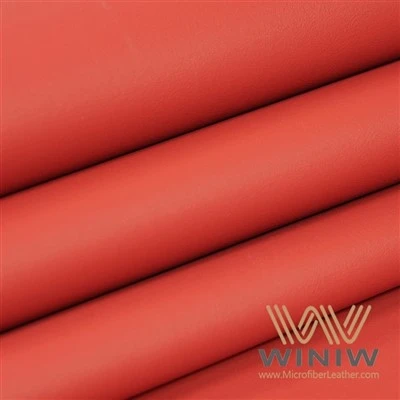
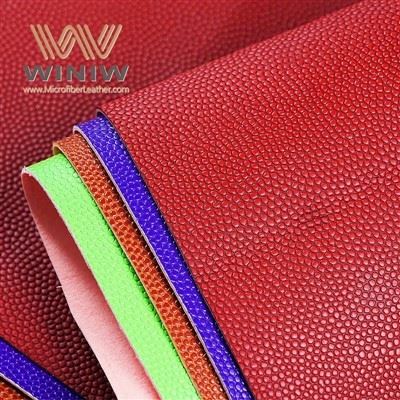
Through embossing, dyeing, and surface treatment, PVC leather can mimic the texture and feel of genuine leather. It meets consumer expectations for the look and feel of genuine leather while maintaining an animal-free design.
Large-Scale Production, Stable Supply
Unlike genuine leather, which relies on animal farming and faces volatile price fluctuations, PVC leather relies on industrial production, offering a stable source of raw materials and a manageable scale. This vegan alternative not only demonstrates a strong commitment to its principles but also provides the market with a sustainable supply option.
Market Trends: Why are Brands Preferring Vegan PVC Leather?
With the rise of vegan consumption, PVC leather has become the material of choice for major brands and manufacturers. It not only meets consumer demand for animal-friendly and sustainable products, but also helps companies cultivate an environmentally friendly image. Its diverse application scenarios demonstrate strong market potential.

Driven by Consumer Demand
Consumers are increasingly prioritizing animal welfare and sustainable lifestyles, and their demand is gradually shifting from genuine leather products to vegan leather products. As an animal-free alternative, PVC has become a preferred choice for brands and manufacturers due to its durability, cost-effectiveness, and design appeal.
A Tool for Brands to Build an Eco-Friendly Image
Brands are eager to gain recognition for their environmental and social responsibilities to enter the vegan leather market. Vegan PVC leather not only meets aesthetic and functional requirements but also helps companies establish a sustainable image. In contrast, PU (polyurethane) requires higher energy consumption and costs for environmental processing, leading many brands to prefer PVC as a mainstream alternative.
Wide Range of Industry Applications
From clothing and shoes and bags to automotive interiors, furniture, and electronic housings, PVC leather, with its diverse colors and high durability, offers a wide range of design and manufacturing possibilities. It performs particularly well in outdoor products and high-frequency applications, where vegan PU leather is relatively lacking.
Plant-Based Vegan Leather vs. PVC Leather
With the rise of ethical consumption and sustainable fashion, a variety of alternatives to genuine leather have emerged. PVC leather, due to its stable raw material sources and mature production process, is widely considered a reliable vegan alternative. Compared to emerging plant-based vegan leather materials, PVC leather offers significant advantages in several areas.
|
Comparison Aspect |
Plant-Based Vegan Leather |
PVC Leather |
|
Raw Material |
Made from pineapple leaves, apple waste, or mushroom mycelium |
Made from polyvinyl chloride (PVC) and fabric backing |
|
Stability of Supply |
Seasonal availability may vary |
Raw materials stable, suitable for large-scale production |
|
Production Process |
Requires innovative binding of plant fibers with resin |
Mature industrialized process with coating, calendering, and embossing |
|
Consistency |
May have batch-to-batch inconsistency |
Ensures consistent quality in mass production |
|
Abrasion Resistance |
Moderate, best for lightweight or decorative items |
High, suitable for frequent use |
|
Water Resistance |
Limited, often needs extra treatment |
Excellent, naturally water-resistant |
|
Durability/Lifespan |
Relatively short, prone to aging |
Long-lasting, highly resistant to wear |
|
Aging Resistance |
Lower, deteriorates over time |
Excellent, retains performance for years |
|
Appearance |
Unique natural textures |
Can imitate real leather textures |
|
Design Flexibility |
Limited customization in color, thickness, and texture |
Highly flexible in dyeing, embossing, and finishing |
|
Cost |
Higher cost, premium material |
Lower cost, more affordable |
|
Supply Stability |
Limited, often small-batch |
Stable, supports large-scale and long-term supply |


Conclusion
PVC leather is widely considered vegan leather because it contains no animal ingredients. It simulates the look and feel of genuine leather through a synthetic process and relies on industrial production to ensure a stable supply. Compared to plant-based vegan leather, PVC leather demonstrates greater maturity and reliability in terms of raw material stability, scalable production, and market penetration. Therefore, for brands seeking to balance ethical consumption with sustainable business practices, PVC leather is undoubtedly a trustworthy choice.
WINIW: Your Trusted PVC Leather Supplier
As a professional PVC leather manufacturer and supplier, WINIW specializes in the research, development, and manufacture of high-quality vegan PVC leather, providing a wide range of solutions for a variety of industries, including footwear, luggage, furniture, and automotive interiors. If you are looking for a stable supply of high-quality vegan PVC leather, please feel free to contact us.