Introduction
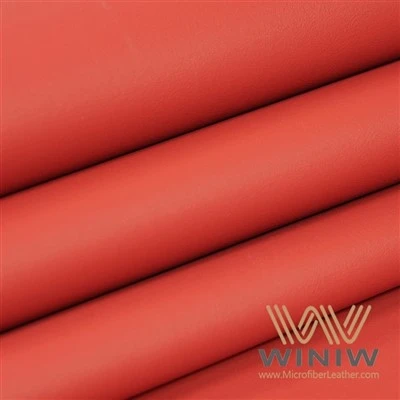
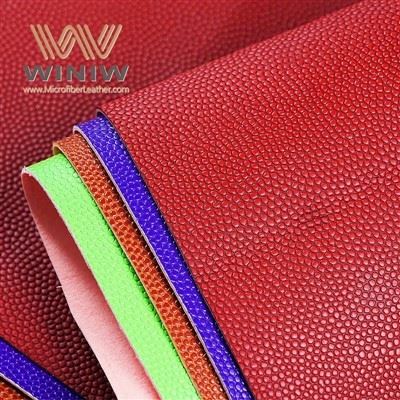
As brands and consumers look for materials that balance performance with sustainability, microfiber leather has caught the spotlight. This advanced synthetic leather rivals natural hide in look and feel without using a single animal. But is it really environmentally friendly? Let's explore.
Eco-Friendly Aspects of Microfiber Leather
While microfiber leather is a synthetic material, it provides several environmental benefits
Animal-Free
Made from synthetic fibers and polyurethane, the microfiber leather is ethically and animal-free, eliminating the need for livestock farming and its associated environmental impacts of greenhouse gas emissions, land use, and water consumption.
01
Long Lifespan
Microfiber leather's dense microfiber fabric and strong PU coating give it excellent resistance to wear and tearing. This durability means products last longer, reducing waste and saving resources.
02
Energy-Efficient Production
Microfiber leather is made without the water- and chemical-intensive tanning process required for genuine leather. Its manufacturing uses less energy and fewer harmful chemicals, lowering its environmental footprint.
03
Low-VOC Options
When made using water-based PU and low-VOC (volatile organic compound) technology, microfiber leather reduces harmful emissions during production, improving air quality and workplace safety.
04
Comparing the Environmental Impact: Microfiber Leather vs. Genuine Leather
Here's a quick comparison of the main environmental factors between genuine leather and microfiber leather to help you understand their sustainability differences.
|
Environmental Factor |
Genuine Leather |
Microfiber Leather |
|
Greenhouse Gas Emissions |
High (due to livestock methane and CO₂) |
Lower (more controlled synthetic production) |
|
Water Consumption |
High (water-intensive livestock and tanning) |
Lower (less water used in manufacturing) |
|
Land Use |
Large land area for grazing and farming |
Minimal land required |
|
Chemical Pollution |
Uses harmful chemicals in tanning |
Uses PU coatings, but modern low-VOC technologies are reducing |
|
Recyclability |
Naturally biodegradable, but tanning chemicals slow down the process |
Not biodegradable, but recyclable through specialized processes |
|
Ethical Considerations |
Relies on animal farming and slaughter, raising ethical concerns |
Animal-free production, supporting cruelty-free and vegan-friendly values |
Environmental Considerations
While microfiber leather has many eco-friendly benefits, it still relies on petroleum-based materials like polyurethane and nylon, which are not biodegradable. This means proper disposal or recycling is necessary to reduce environmental impact. Ongoing research focuses on developing bio-based alternatives and improving recycling methods to address these challenges. Working with suppliers that emphasize eco-friendly innovations, such as WINIW, contributes to reducing microfiber leather's ecological footprint effectively.
How WINIW Promotes Sustainability
As a professional microfiber leather manufacturer, WINIW is dedicated to producing eco-friendly materials without compromising on performance. Our approach includes:
1. Advanced PU Technology
Actively developing water-based and solvent-free PU leather production technologies to meet stringent environmental standards, while incorporating bio-based raw materials to replace traditional petroleum-derived components.
2. Certified Sustainability
Compliance with ROHS,REACH, and EN20345 certifications to ensure our products meet global environmental and safety requirements.
3. High-Performance Materials
Utilizing island-type microfiber bundles and high-grade polyurethane resin to enhance durability, reduce environmental impact, and ensure superior product quality.
4. Optimized Manufacturing
Implementing precision production systems and energy-efficient processes to reduce waste and emissions and lower the overall carbon footprint.
By integrating these practices, WINIW provides a sustainable solution for brands seeking to combine high product performance with environmental responsibility.
Conclusion
Microfiber leather is an eco-friendly and sustainable material that reduces resource consumption, eliminates animal use, and supports longer product lifespans. While it still relies on synthetic components, ongoing innovations in bio-based materials and recycling technologies are enhancing its green credentials. Looking to boost your brand's environmental impact? Contact WINIW to explore eco-friendly microfiber leather solutions.