Introduction
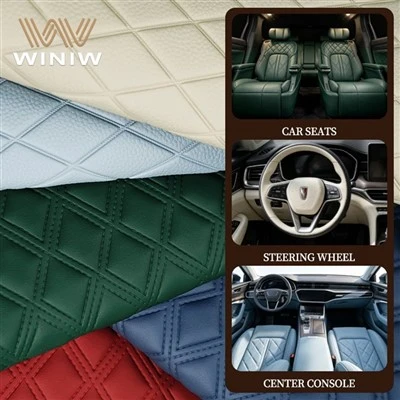
Microfiber leather is a high-performance synthetic material that has rapidly gained popularity across industries such as automotive, footwear, upholstery, and fashion. But what exactly is it made of? Let's take a closer look.

Material Composition
Microfiber leather is primarily composed of two key components:
• Microfiber Non-Woven Fabric Base
This base layer, which accounts for approximately 60-70% of the fabric's total weight, is made of ultra-fine fibers (typically nylon or polyester) arranged in a 3D non-woven structure. These microfibers are tightly interwoven, mimicking the fiber structure of natural leather, providing breathability and flexibility.
• High-Performance Polyurethane (PU) Resin
The surface of the microfiber base is coated with a layer of high-quality polyurethane resin. This coating, which accounts for the remaining 30-40%, imparts the leather's texture, color, and surface properties such as water resistance and abrasion resistance. In addition, it can be customized to mimic various grain patterns and finishes, making microfiber leather highly versatile.
Manufacturing Process
The production of microfiber leather involves several processing steps:
1. Microfiber Fabric Formation
Ultra-fine fibers, usually nylon or polyester, are spun and arranged into a non-woven fabric through processes like needle punching. This forms a dense, three-dimensional network that mimics the fibrous structure of natural leather.
2. Impregnation with PU Resin
The microfiber base is then impregnated with a specially formulated polyurethane (PU) resin. This coating fills the spaces between fibers, bonding tightly to the fabric to provide strength, flexibility, and water resistance.
3. Drying and Curing
After impregnation, the material is dried and cured under controlled temperature and humidity conditions to stabilize the resin and ensure durability.
4. Surface Finishing and Embossing
To replicate the appearance and texture of genuine leather, the surface undergoes embossing and finishing treatments. Patterns such as grain or pebble textures, coloring, and protective coatings are applied.
5. Quality Inspection
Finally, the finished microfiber leather is rigorously inspected for consistency, strength, and surface quality before being shipped to manufacturers.
Performance Advantages from Its Materials
Thanks to its engineered composition, microfiber leather offers multiple performance benefits:
High Durability
Microfiber leather features a three-dimensional microfiber structure that forms a dense, resilient network, providing outstanding resistance to tearing, aging, and abrasion.
Superior Breathability
Microfiber leather features a dense yet breathable structure, with tiny channels that promote airflow. Its microporous PU resin further enhances breathability, helping regulate moisture and making it more comfortable against the skin.
Eco-Friendly
Microfiber leather adopts advanced manufacturing technology, uses water-based polyurethane and recyclable materials, effectively reducing the impact on the environment, and is more environmentally friendly and sustainable than traditional leather and ordinary synthetic materials.
Water Resistance
The high-quality PU coating on microfiber leather provides excellent water repellency, protecting the material from moisture damage and making it easy to clean and maintain.
Conclusion
In summary, microfiber leather is crafted from microfiber fabric and high-performance polyurethane resin. Its unique composition gives it the look and feel of genuine leather while offering exceptional durability, comfort, and environmental benefits.
WINIW: Professional Microfiber Leather Manufacturer
As a trusted supplier of high-quality microfiber leather, WINIW offers customized solutions for various applications. Contact us today to request a sample or get expert advice for your project.