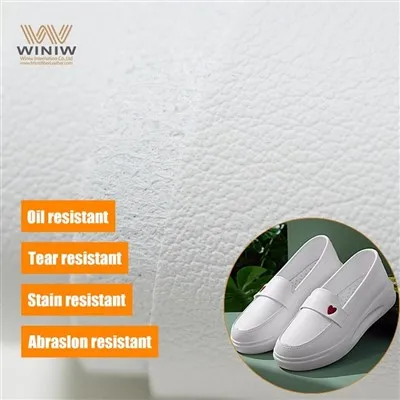
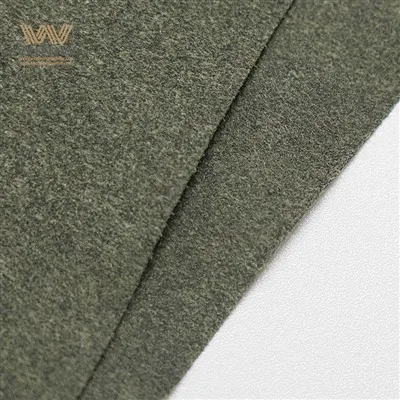
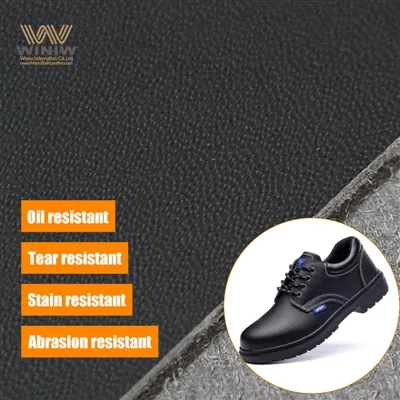
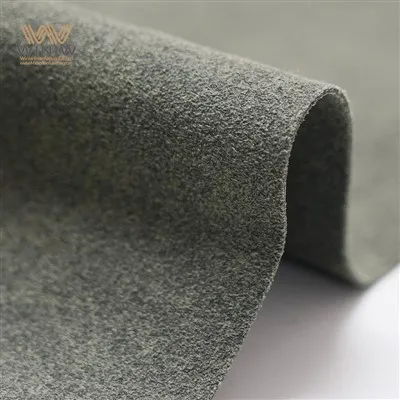
Minimum Order Quantity (MOQ) for custom microfiber leather strictly ranges from 300 to 500 meters per color and thickness specification. This baseline metric is dictated by the physical volumetric capacity of high-temperature dyeing vats and the unavoidable chemical setup waste inherent to industrial polyurethane (PU) coagulation lines.
Polyurethane Coagulation and Dyeing Vat Setup Costs
For any direct custom faux leather manufacturer, initiating a new production cycle is not a simple switch. The manufacturing process requires preparing a specific formulation of water-borne or solvent-based PU slurry. Pumping this resin through the extrusion heads and calibrating the release paper rollers to achieve a precise ±0.05mm thickness tolerance inherently generates 30 to 50 meters of transitional material waste before the line stabilizes.
Furthermore, the tension-controlled dyeing vats mandate a minimum physical load to function correctly. Running less than 300 meters through industrial vats prevents adequate mechanical tension, resulting in uneven color penetration and failing the standard industrial Delta E (ΔE) ≤ 0.82 color consistency mandate (measured via ISO 105-J03 protocols).
Procurement & QA Notice: Evaluating material parameters for upcoming automotive or footwear assemblies? Request standard color lab-dips and our complete Technical Data Sheet (TDS).
Request Physical Swatches & Lab TDS Report
Financial Breakdown: Fixed vs. Variable Production Metrics
When a CPO requests a production run below the 300-meter threshold, the fixed costs of machine downtime and chemical waste remain static, exponentially increasing the per-meter unit cost. The following matrix quantifies the physical constraints dictating standard industrial MOQ.
| Production Phase / Variable | Fixed Material Waste | Machinery Setup Time | Mechanical Impact on Sub-MOQ Runs |
| PU Slurry Preparation | 20 - 30 kg | 2.0 Hours | Disproportionate resin waste |
| Base Substrate Coagulation | 20 - 35 meters | 1.5 Hours | Fails ±0.05mm thickness tolerance |
| Disperse Dyeing Vat (130°C) | 15 - 20 meters | 3.0 Hours | High risk of ΔE > 1.0 (Color spotting) |
| Post-Finishing / Embossing | 10 meters | 1.0 Hour | Inconsistent ISO 2411 peeling strength |
Flexible Supply Chain: Engineering Pilot Runs (50-100 Meters)
We recognize that Tier 1 suppliers and footwear R&D engineers require physical material for pre-production prototyping and ISO/ASTM stress testing before committing to bulk contracts. To solve this, we bypass standard high-volume line restrictions by utilizing dedicated laboratory-scale pilot lines.
This infrastructure allows us to optimize the standard microfiber leather MOQ, offering flexible 50 to 100-meter engineering trial runs. These pilot rolls utilize the exact sea-island non-woven substrate and polyether-based resins as our mass-production lines, guaranteeing that prototype test data (such as > 100,000 Martindale rubs) accurately translates to bulk manufacturing.
Contact Us to Initiate a Small-Batch Trial Order & Request a Wholesale Quotation
Frequently Asked Questions (FAQ)
Q: Why is the standard custom microfiber leather MOQ 300 to 500 meters?
A: Industrial dyeing vats and polyurethane coating lines require a minimum material volume to maintain mechanical tension and stabilize chemical application. Running less than 300 meters results in high transition waste, color inconsistencies (ΔE > 0.82), and physical thickness deviations.
Q: Can I order less than the standard MOQ for prototype testing?
A: Yes. For R&D and QA validation, source factories operate laboratory-scale pilot lines. This allows for production runs of 50 to 100 meters, providing exact mechanical duplicates of bulk material for physical stress testing without the 500-meter commitment.
Q: Does changing the thickness specification affect the MOQ?
A: Yes. Adjusting the thickness requires halting the production line, recalibrating the calendering rollers, and modifying the polyurethane slurry extrusion rate. This reset generates fixed material waste, requiring a dedicated MOQ per specific thickness request.