Introduction
In modern furniture design, the choice of upholstery directly affects a product's durability and user experience. Silicone leather, with its soft texture, durability, and eco-friendly properties, has become a material worth considering for furniture manufacturers when selecting sofa upholstery. This article will explore whether silicone leather is suitable for sofas and examine its practical applications.

What is Silicone Leather?
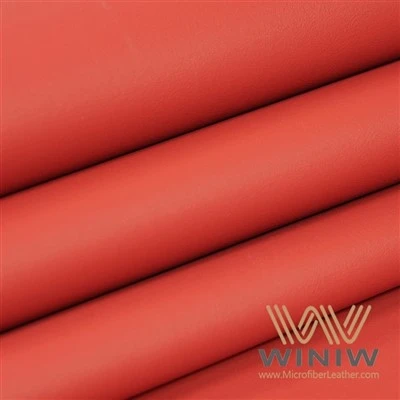
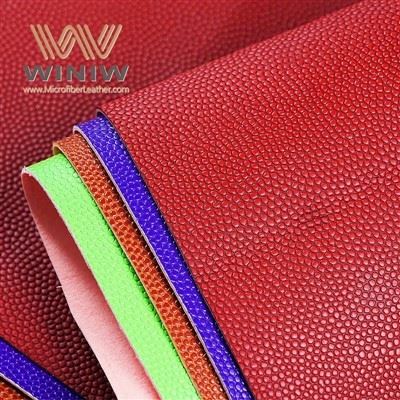
Silicone leather is a synthetic material typically made by applying a silicone coating to a fabric base, such as polyester, cotton, or nylon blends. During the manufacturing process, the silicone is evenly applied to the surface of the fabric, creating a soft and smooth layer that resembles the appearance of natural leather. The thickness, flexibility, and surface texture of silicone leather can be adjusted through coating techniques and embossing molds to meet different furniture design and production requirements.

Advantages of Silicone Leather for Sofas
Silicone leather offers the following advantages when used for sofas:
Durability
Silicone leather has a uniform and flexible surface that resists wear and tearing. It can withstand daily friction, as well as use by children or pets, making it suitable for high-traffic sofas.
Comfortable Feel
The material is soft and elastic, providing a seating experience similar to genuine leather. It also has good resilience, maintaining its shape over time and ensuring long-lasting comfort.
Easy to Clean and Maintain
The silicone surface is water- and stain-resistant. Spills such as coffee, juice, dust, or pet hair can be easily wiped away with a damp cloth, reducing daily maintenance efforts.
Eco-Friendly
Compared to genuine leather, silicone leather production is more energy-efficient and does not rely on animal hides, resulting in a lower environmental impact.
Versatile Appearance
Silicone leather can be customized with various colors and textures, such as embossing, debossing, or matte/ glossy finishes, achieving a premium leather look and meeting diverse design and furniture requirements.

Considerations When Using Silicone Leather
While silicone leather offers many advantages, furniture manufacturers should still pay attention to the following aspects when using it for sofas:
Cost
Silicone leather is generally more expensive than standard PU leather but lower than genuine leather. When selecting materials, manufacturers should plan according to budget and product positioning.
Breathability
Silicone leather is slightly less breathable than genuine leather, which may affect comfort during prolonged use. For high-end or custom sofas, breathability can be improved through perforation designs or by adding a breathable fabric lining.
Long-Term Durability
Although wear-resistant, the silicone coating may experience slight aging or color changes when exposed to extreme temperatures or direct sunlight. Designers and manufacturers should take environmental factors into account when planning placement and usage.
Design Compatibility
The flexibility and thickness of silicone leather may affect sewing, embossing, or other upholstery processes. Manufacturers should confirm that the material is suitable for the specific sofa design before production.
Conclusion
For furniture manufacturers exploring good sofa materials, silicone leather presents a compelling option. Its durability, low maintenance, comfort, and eco-friendliness make it suitable for both residential and commercial projects.
WINIW: Leading Manufacturer and Supplier of Silicone Leather
WINIW specializes in the research and production of high-quality silicone artificial leather. Our materials are environmentally friendly and meet industry standards, making them suitable for various sofas and furniture products. We also offer OEM and ODM solutions to meet the customization needs of different clients. Feel free to contact us anytime to obtain samples or learn more about our products, supporting your furniture design and production.