Introduction

PVC leather is one of the commonly used synthetic materials in the fashion, furniture, and automotive industries. Although it is widely used and affordable, it can be confusing to distinguish it from similar materials such as PU leather or genuine leather. This article will guide you on how to effectively identify PVC leather.
What is PVC leather?
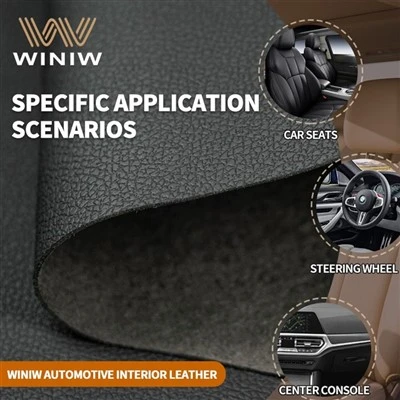
PVC leather, also known as vinyl leather, is a synthetic material made by coating a fabric backing (usually made of polyester or cotton) with a layer of polyvinyl chloride (PVC). It mimics the look of natural leather while being more durable, water-resistant, and cheaper to produce. PVC leather is typically harder and shinier than other types of faux leather, so it's often used in wallets, belts, and car interiors, among other things.
Key Characteristics of PVC Leather
Here are some common characteristics that can help identify PVC leather:
● Grain and Flexibility
PVC leather is generally harder to the touch than PU leather. It lacks the soft texture of genuine leather or premium polyurethane alternatives.
● Surface Pattern
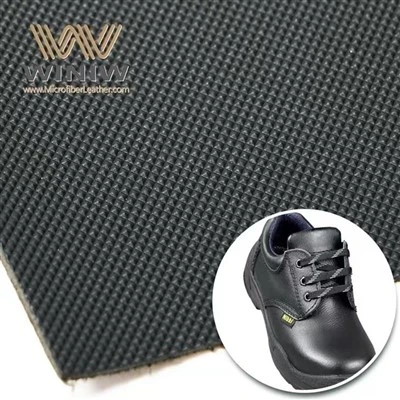
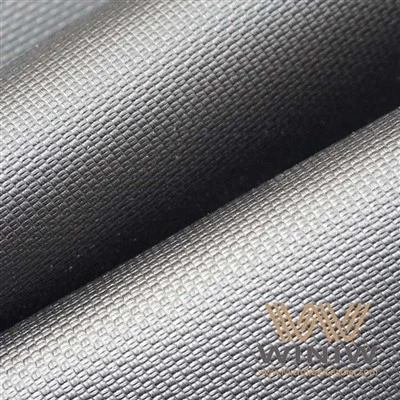
Most common PVC leathers are made using a fixed roller embossing process, and the embossed pattern on the surface looks relatively uniform or repetitive.
● Odor
Due to the use of vinyl and plasticizers in the production process, new PVC leather often emits a light plastic or chemical odor. The odor of PU leather or genuine leather is less obvious.
● Gloss
PVC itself is a plastic with a certain degree of transparency, and its surface gloss is closer to the texture of plastic, so it may be more reflective than other materials.
● Bending Test
When bent, PVC leather may show signs of cracking or bend marks for a longer period of time, while PU leather and genuine leather are more elastic and flexible.
PVC vs PU vs Genuine Leather: What's the Difference?
|
Feature |
PVC Leather |
PU Leather |
Genuine Leather |
|
Hand Feel |
Rigid, less breathable |
Soft, flexible |
Supple, natural |
|
Surface Texture |
Uniform embossing |
Slightly varied grain |
Irregular natural grain |
|
Odor |
Chemical or plastic-like |
Mild or neutral |
Distinctive organic (leather) smell |
|
Water Resistance |
Excellent |
Good |
Moderate |
|
Cost |
Low |
Moderate |
High |
Practical Tips for Identifying PVC Leather
If you're sourcing or evaluating leather materials, these practical methods can help:
1. Feel the Texture
PVC is a hard and brittle plastic material, and the coating thickness is increased during production, so it is thicker and cooler to the touch than PU or leather. In addition, the instability of plasticizers also makes PVC less flexible.
2. Check the Smell
A strong chemical or plastic-like odor is a good indication it's PVC.
3. Inspect the Backing
Turn the material over to check the backing. PVC leather usually has a woven polyester or other fabric (such as cotton, non-woven, etc.) as the base.
4. Burn Test (For Lab Settings Only)
When burning, PVC artificial leather emits thick black smoke and a pungent odor, while PU leather emits less smoke and a milder odor, and real leather smells like burnt hair.
5. Ask for Material Specs
Look for a reputable supplier and ask for clear specifications, such as volatile organic compound (VOC) content and plasticizer type.
Conclusion
In short, you can tell the difference between PVC leather and other materials by observing its smell, flexibility, appearance, etc. WINIW is a professional PVC leather fabric manufacturer and supplier, dedicated to providing high-quality customized PVC leather fabrics. If you still have questions about the identification of PVC leather, please feel free to contact us for professional consultation.