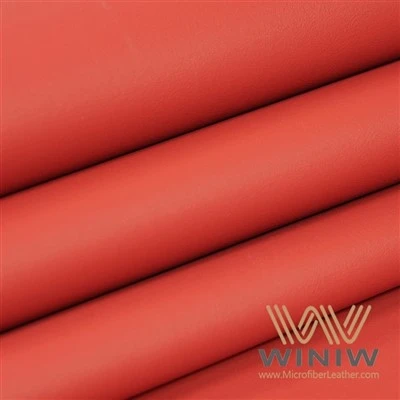
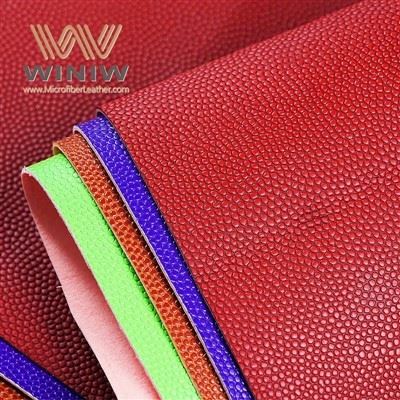
Electric vehicle (EV) range optimization dictates strict mass reduction across all cabin components. Engineering-grade microfiber leather provides a 30% weight reduction compared to standard 1.4mm bovine hides while maintaining an EN ISO 12947-2 abrasion resistance of > 100,000 rubs. This specific mass-to-strength ratio directly increases EV battery efficiency metrics without compromising interior tactile quality.
The Mathematics of Cabin Weight Reduction
OEMs calculate energy consumption strictly per kilogram. Replacing genuine leather with a sea-island microfiber matrix across seating, door panels, and dashboards eliminates 3 to 5 kilograms of total cabin mass per vehicle. Genuine leather requires a heavy, irregular structural density to maintain mechanical tear strength, averaging 800-900 g/m² at a 1.4mm thickness.
Microfiber utilizes an electrospun polyethylene terephthalate (PET) network coagulated with polyether polyurethane. This alkali-reduced 3D architecture achieves equivalent structural integrity and high flexural endurance at only 500-550 g/m².
| Metric | 1.4mm Full-Grain Bovine Leather | 1.2mm EV Grade Microfiber | Testing Protocol |
| Areal Density (Weight) | 800 - 900 g/m² | 500 - 550 g/m² | DIN EN 12127 |
| Tear Strength | 40 - 60 N | ≥ 60 N | EN ISO 3377-2 |
| Peeling Strength | N/A (Solid structure) | ≥ 30 N/3cm | ISO 2411 |
| VOC Emissions | Variable (Tanning agents) | ≤ 10 mg/kg (DMF-free) | VDA 277 |
| Thickness Tolerance | ± 0.15 mm | ± 0.05 mm | QA Caliper Measurement |
Procurement & QA Notice: Need to calculate the exact mass reduction for your Bill of Materials (BOM)? Request a physical sample roll and our ISO 9001 certified laboratory Technical Data Sheet (TDS).
OEM Transition: Why EV Startups Specify Vegan Leather
Tier 1 EV manufacturers have systematically transitioned to Vegan leather for EVs to align physical lightweighting with strict chemical sustainability. Standard bovine leather tanning utilizes heavy metals (Chromium VI) and volatile finishing solvents. Conversely, automotive-grade microfiber employs a DMF-free, water-borne polyurethane coagulation process.
This guarantees Vehicle Interior Air Quality (VIAQ) compliance, restricting Total Carbon Emissions to ≤ 30 μgC/g (VDA 277) and gravimetric fogging limits to ≤ 2.0 mg (DIN 75201-B). The absence of phthalate plasticizers ensures the material will not harden or fracture under continuous thermal load (120°C for 500 hours, ISO 188). This makes it structurally superior for solar-exposed instrument panels and dashboards where natural leather frequently suffers from high thermal shrinkage and UV degradation.
Structural Integration and CNC Nesting Efficiency
Beyond gross weight, CNC nesting efficiency drives the EV manufacturing transition. Genuine hides yield a maximum of 65% usable material due to irregular geometry, stretch directionality, and natural defects.
A continuous 1.37m wide roll of Microfiber auto interior yields 100% CAD/CAM cutting efficiency. The strict ±0.05mm gauge precision prevents blade deflection and mechanical pattern distortion, supporting automated multi-layer die-cutting for high-volume EV assembly lines. The uniform cross-linked core ensures peeling strength (ISO 2411) remains perfectly consistent from the center of the roll to the selvedge edges.
Initiate Custom Thickness Engineering & Request a Wholesale Quotation for your EV production line
Frequently Asked Questions (FAQ)
Q: Why is microfiber leather lighter than genuine leather?
A: Genuine leather relies on dense, irregular collagen fibers to maintain strength. Microfiber utilizes an engineered 3D sea-island PET network and microporous polyurethane matrix. This controlled architecture provides high mechanical strength (≥ 60 N tear strength) while reducing overall mass density by 30-40%.
Q: Does lightweight automotive leather pass VDA 277 VOC standards?
A: Yes. Engineering-grade EV microfiber uses DMF-free, water-borne polyurethane systems. This chemical formulation eliminates residual halogenated solvents, strictly keeping total carbon emissions below 30 μgC/g to meet German VDA 277 and VDA 278 VIAQ requirements.
Q: Can vegan leather for EVs withstand continuous seat abrasion?
A: Yes. The volumetric integration of the polyurethane resin into the non-woven fiber matrix prevents surface peeling. It consistently endures > 100,000 Martindale rubs (EN ISO 12947-2), statistically outperforming the standard mechanical wear limits of natural bovine hides.