


Specify Abrasion Performance by Interior Zone
Abrasion-resistant microfiber leather for automotive interiors should be qualified for the exact component, wear action and test method. A cycle count alone cannot predict seat-bolster scuffing, seam stress, coating wear or long-term cabin appearance.
- Seat bolsters and cushion panels
- Headrests and armrests
- Door and console trim
- Steering-wheel trials by program
Different Zones Fail Differently
Set acceptance criteria around the contact mechanism of the finished component.
Repeated sliding, edge compression and clothing friction.
Body load, flexing, heat, moisture and seam movement.
Localized rubbing, fingernail contact and cleaner exposure.
Hand oils, grip wear and frequent tactile contact.
Approve More Than the Face Appearance
Inspect the coating, embossed pattern, cut edge, backing and flex response together. The approved sample should represent the construction used in the final automotive test program.

Check roll direction, backing uniformity and edge structure before cutting trials.

Approve grain definition, gloss and print continuity under the vehicle program's lighting method.

Evaluate flexing and edge behavior before wrapping tight radii or sewing shaped panels.
Turn Listed Values into Verifiable Requirements
Each numerical result should identify the method, specimen, load, conditions, endpoint and applicable material.
- Name the material article and color.
- Record test standard and equipment.
- Define conditioning and test load.
- State failure or appearance criterion.
- Match the report to the supplied batch.
| Decision field | Current page listing | Required purchase confirmation |
|---|---|---|
| Construction | Sea-island microfiber with PU resin | Face, backing, finish, article code and intended component |
| Standard gauge | 1.2 mm; listed tolerance ±0.05 mm | Measurement method and production tolerance |
| Roll width | 54 inches / 137 cm | Usable width, edge allowance and roll direction |
| Abrasion | >150,000 Martindale cycles is listed | Load, abrasive, endpoint, specimen and applicable batch |
| Peeling strength | ≥4.0 kg/3 cm is listed | Method, direction, conditioning and acceptance level |
| Flammability | FMVSS 302 / GB 8410 passed is listed | Report for the exact construction and destination program |
| VOC and fogging | VDA 278 compliance is listed | Report values, substances, specimen and OEM limit |
| Low-temperature flex | >50,000 cycles at −30°C is listed | Equipment, flex method, endpoint and sample preparation |
| MOQ | 500 linear meters is stated | Reconfirm by color, grain, thickness and order combination |
The listed figures are sourcing baselines, not substitutes for a TDS, COA or test report covering the selected automotive material.
Cycle Counts Are Not Interchangeable
Martindale, Taber and Wyzenbeek use different motions, contact materials and evaluation rules. Compare results only when the complete method and endpoint are aligned.
Multi-directional rubbing
Confirm pressure, abrasive fabric, inspection interval and the definition of surface failure.
Rotary abrasion
Specify wheel type, applied load, resurfacing procedure and mass or appearance endpoint.
Reciprocating motion
Record the abradant, tension, double-rub definition and visual acceptance criterion.

Read the Report, Not the Machine Display
A counter shown in a laboratory image does not establish the contractual result for a specific article. The signed report should connect the specimen, method and endpoint.
- Material code, color and batch
- Standard and equipment configuration
- Load, abrasive and conditioning
- Cycles at the stated endpoint
- Photographs before and after testing
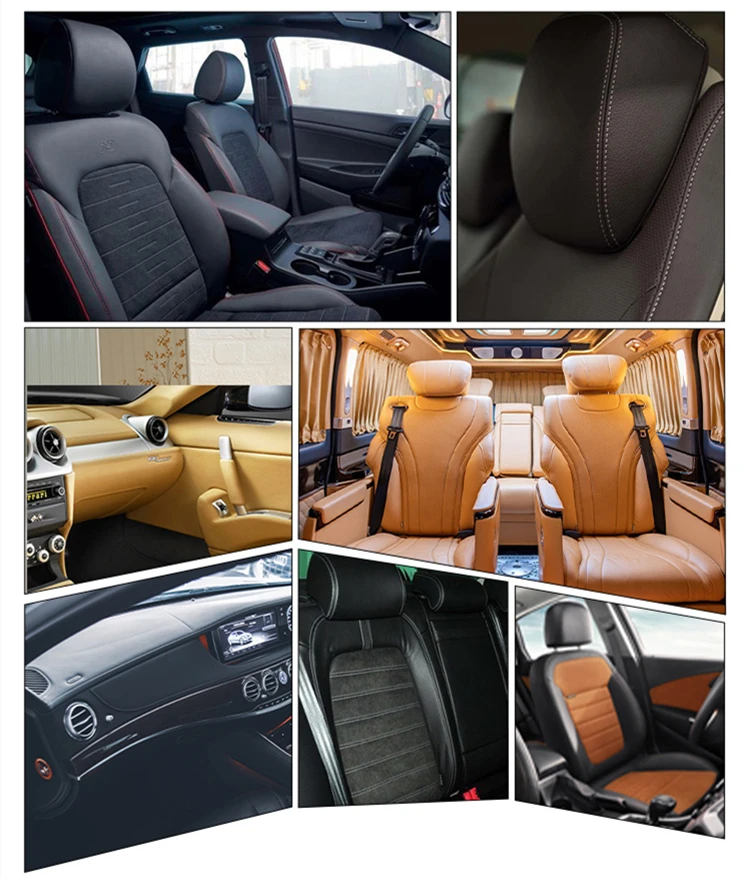
Approve each interior zone separately because contact, geometry, temperature and cleaning exposure vary.
Match the Construction to the Component
Use the material as a candidate for the named component only after the assembled part passes the vehicle program's physical, chemical and appearance requirements.
Seat bolsters
Prioritize ingress scuffing, coating wear, seam loading and repeated flex.
Cushion panels
Review body pressure, elongation, stitch behavior and heat-moisture exposure.
Headrests and armrests
Check oils, cleaners, tactile consistency and localized abrasion.
Door and console trim
Confirm wrapping, adhesion, scratch exposure, gloss and color harmony.
Dashboard trim
Assess glare, UV aging, heat stability, fogging and adhesive compatibility.
Steering applications
Use program-specific grip, sweat, wear, seam and chemical tests.
Validate the Material Through the Trim Process
Keep the settings and results from each stage with the approved sample. Bulk approval should cover both the roll material and the assembled interior part.
Define zone
Name the component, wear mechanism and vehicle market.
Select sample
Lock thickness, grain, color, backing and finish.
Cut
Check usable width, direction, edge quality and nesting.
Sew or wrap
Record needle, thread, stitch, adhesive and heating.
Condition
Age the assembly under the program's defined environment.
Test
Run physical, emission, flammability and appearance checks.
Seal master
Retain the signed material and assembled reference part.
What the Buyer Should Provide
- Interior component and vehicle class
- Annual and trial quantities
- Thickness and usable width
- Color, grain and gloss master
- Backing and tactile requirement
- Trim and assembly process
- Required standards and OEM limits
- Target market and delivery timing
What Should Accompany Approval
Request documents by program requirement rather than accepting a generic automotive-grade statement.
- Current TDS and construction code
- Abrasion report with full method
- Peel and low-temperature data
- Flammability report if required
- VOC, odor or fogging evidence
- Restricted-substance declaration
- Approved color and grain record
- Order-specific packing standard
Control Consistency from Sample to Roll
MOQ, lead time and packing should be reconfirmed after color, grain, thickness, test scope and quantity are fixed. Use measurable release points for the first production lot.
Incoming reference
Seal the approved master with article code, date, color and grain direction.
Roll dimensions
Confirm thickness, usable width, length, edge allowance and roll direction.
Surface inspection
Agree on gloss, grain, shade, marks, defects and defect-marking method.
Performance evidence
Identify which results require lot-level COA or periodic third-party reports.
Roll packing
Confirm face protection, core, wrapping, labels, shipping marks and pallet plan.
Release schedule
Set production and dispatch timing after sample and documentation approval.
Request a Material Sample for Your Interior Zone
Send the component, annual volume, thickness, usable width, color, grain, required standards, target market and delivery timing for matching and quotation.
Compare Automotive Materials and Test Requirements
Automotive Microfiber Leather FAQ
Does the listed abrasion result apply to every color and grain?
Not automatically. Request a report linked to the selected construction, finish, color and batch, with the test load, abrasive and failure criterion clearly stated.
Can Martindale and Taber cycle counts be compared directly?
No. The equipment, motion, contact material, load and endpoint differ. Compare materials under the same complete method and acceptance criteria.
Is this material automatically approved for FMVSS 302?
The current page lists FMVSS 302 and GB 8410 as passed. Obtain the applicable report and confirm that the tested construction matches the material and assembled component required by your program.
What should be checked for car-seat bolsters?
Evaluate sliding abrasion, coating wear, peel behavior, flexing, seam strength, cleaner exposure, heat aging and appearance on an assembled bolster prototype.
Can color, grain, gloss and backing be customized?
Provide physical masters and measurable acceptance criteria. Feasibility, sample appearance and required performance should be confirmed before bulk production.
What is the MOQ for an automotive specification?
The existing page states 500 linear meters. Reconfirm MOQ for the required color, grain, thickness, test scope and order combination when requesting the quotation.
Which emission documents may be required?
The vehicle program may specify VOC, odor, fogging or restricted-substance limits. Identify the required method and limit so the relevant report can be matched to the sample.
What information is needed for an accurate quotation?
Provide the interior component, annual volume, trial quantity, thickness, usable width, color, grain, backing, performance standards, target market and requested delivery time.
Get the TDS and Applicable Test Evidence
Identify the vehicle program and component so the material construction, reports and sample plan can be reviewed against the correct requirements.
Hot Tags: abrasion-resistant microfiber leather, automotive microfiber leather, car interior synthetic leather, microfiber car seat leather, custom automotive leather, microfiber leather supplier, winiw microfiber leather, microfiber pu leather, microfiber leather durability, micro suede leather, microfiber leather fabric, microfiber suede leather


