Use Surface Texture as an Upper-Material Feature, Not an Outsole Claim
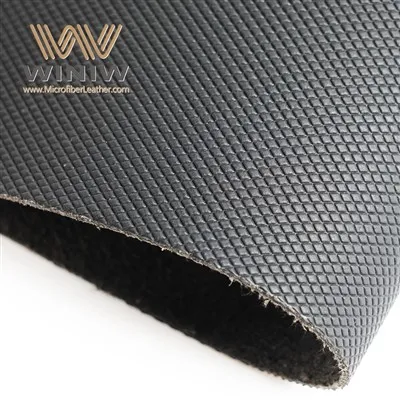
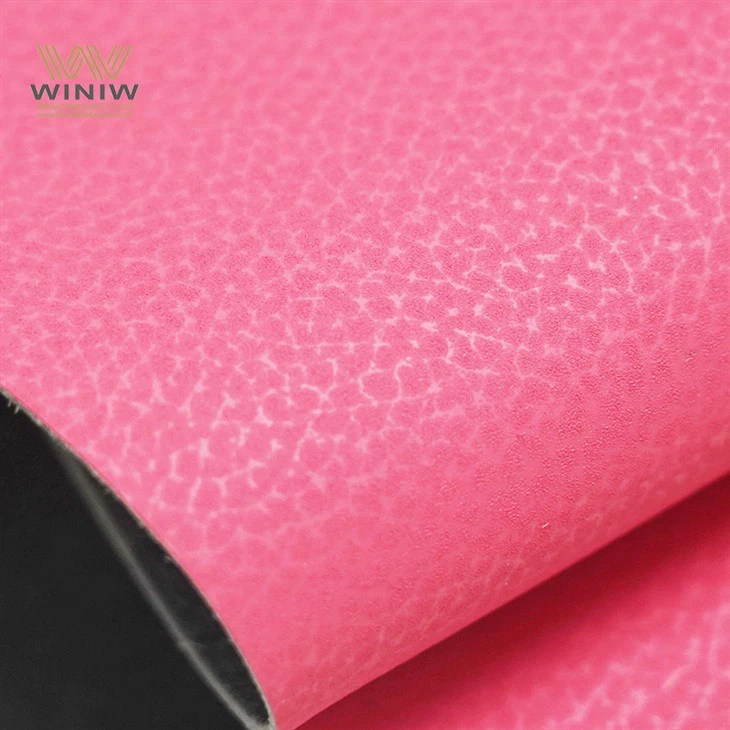
We supply textured PU microfiber leather for safety-shoe uppers where buyers require a durable coated surface, defined grain, flexible panel construction and controlled footwear processing.
The surface texture can influence hand grip, handling and contact between upper components, but floor slip resistance belongs to the finished shoe and outsole system. Any safety claim for wet or oily floors should therefore be verified on the complete footwear under the buyer's required standard.
Thickness options shown in the product specification asset.
Width listed for footwear cutting and nesting.
Designed for safety-footwear upper applications.
Keep the Material Specification Separate from Finished-Shoe Slip Resistance
Safety footwear is a system. The upper material, outsole compound, tread geometry, contamination condition and finished-shoe construction have different functions and should not be combined into one generic "anti-slip" claim.
Upper Material
Evaluate thickness, surface grain, abrasion, flexing, tear, adhesion and processing behavior.
Outsole System
Floor traction depends primarily on outsole compound, tread, contamination and the finished footwear configuration.
Material Surface Friction
If upper-surface friction is relevant to a component or handling requirement, define the counter-surface and test method separately.
Finished-Shoe Claim
Verify slip performance on the complete footwear under the applicable customer or market test.
Lock the Upper Construction Before Bulk Production
| Material Type | PU microfiber leather for safety-footwear upper panels |
|---|---|
| Thickness | 1.2, 1.4, 1.6, 1.8 and 2.0 mm are shown in the product specification asset; confirm the selected gauge and tolerance on the approved TDS |
| Usable Width | 137 cm / 54 inches is shown; confirm minimum usable width and edge allowance for the production cutting plan |
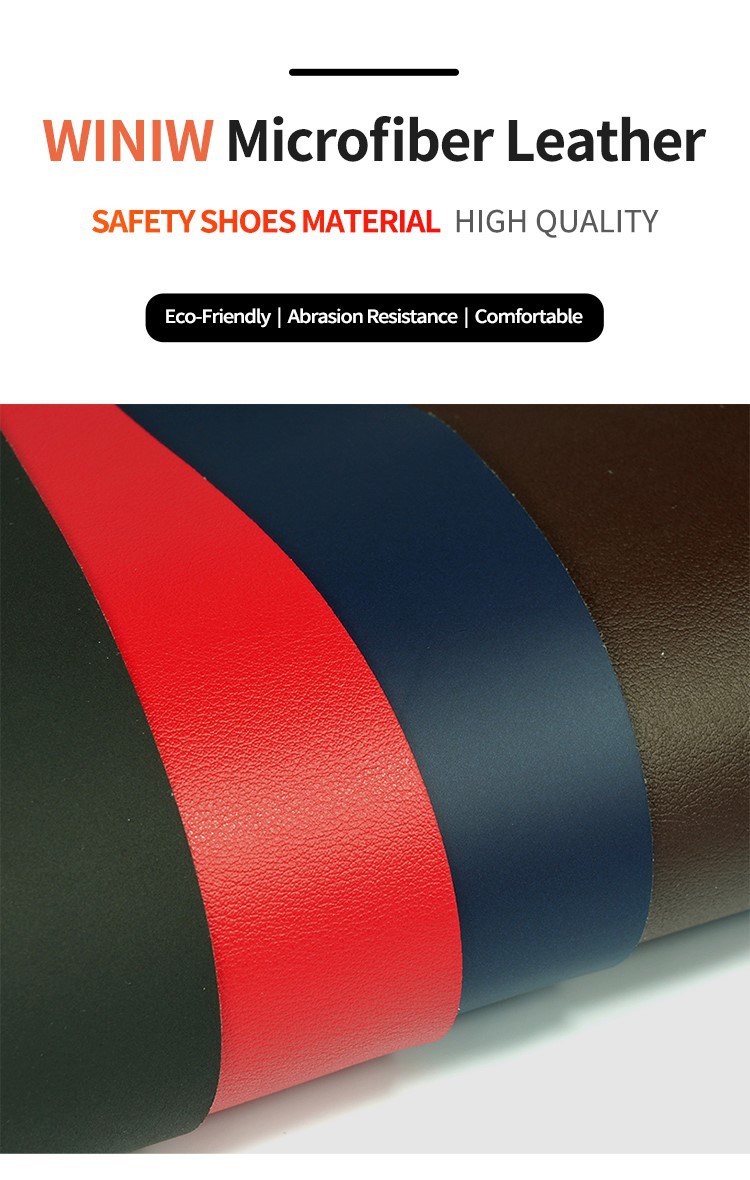
| Color | Black, white, blue, brown, red and custom colors are shown; approve the production shade against a physical reference |
| Surface Grain | Define embossing, texture, gloss and tactile requirement on the approved sample rather than using "anti-slip" as the only surface description |
| Backing / Substrate | Confirm microfiber substrate construction and any additional backing or lamination used in the final upper |
| Basis Weight | Confirm GSM for the selected thickness and backing where weight is part of the purchasing specification |
| Roll Requirement | Define usable width, roll length, defect marking, wrapping and roll identification |
| MOQ & Lead Time | Confirm after thickness, color, grain, quantity, test standards and destination are fixed |
Qualify the Mechanical Risks That Belong to the Material
Abrasion
Define the abrasion method, abradant, load, cycles and failure endpoint for exposed upper zones.
Bally Flexing
State test method, temperature, conditioning, target cycles and cracking or surface-change criterion.
Tear & Tensile
Specify specimen direction, geometry, test speed, unit and minimum acceptance requirement.
Peel / Adhesion
Define specimen width, direction, test speed and conditioning when layer adhesion is critical.
Hydrolysis
State temperature, humidity, exposure duration and the required post-aging appearance or mechanical performance.
Oil Exposure
If the upper contacts oils or coolants, specify the actual fluid, concentration, contact time and acceptable change.
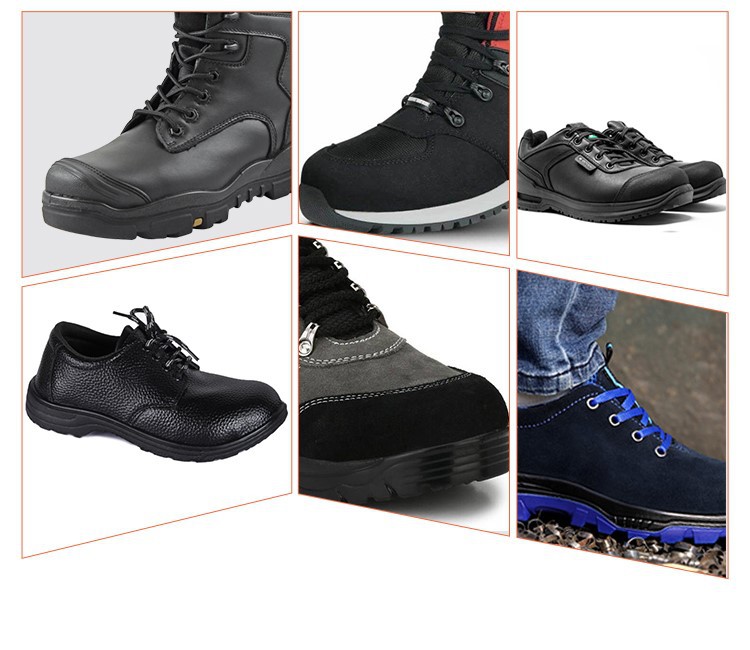
Match the Upper Material to the Work Environment
Kitchen, warehouse, construction and industrial footwear may all require different upper-material performance even when the outsole slip test is similar.
- Define contact with oils, grease or cleaning chemicals
- Specify repeated flexing and abrasion requirements
- Confirm low-temperature performance where relevant
- Check cleaning compatibility on the production color
- Validate the complete footwear separately for floor traction
Evaluate Each Shoe Panel by Its Own Failure Risk
Toe & Vamp
Prioritize repeated forefoot bending, surface wear and crease development.
Quarter
Review dimensional support, stitching and repeated walking movement.
Eyestay
Check tear propagation and stitch-hole behavior near lace-loading points.
Mixed-Material Joints
Validate seams where microfiber leather meets mesh, suede or reinforcement panels.
Approve the Material and Finished Safety Shoe in Separate Steps
Set upper zone, thickness, grain and material performance.
Approve color, surface, backing and physical material reference.
Run abrasion, flex, tear, peel and aging tests as required.
Validate outsole traction and safety classifications on the complete shoe.
Keep Material Reports and Finished-Shoe Reports Separate
We can review the upper-material specification, sample, dimensions and required physical test methods before bulk production. Finished-shoe classifications and floor-slip tests should remain linked to the footwear model and outsole construction that were actually tested.
- Approved material sample and TDS
- Thickness, width, color and grain requirements
- Material-level abrasion, flex and tear methods
- Applicable chemical or restricted-substance documents
- Finished-shoe slip and safety reports where required
- Roll, packing and traceability requirements
Request a Safety Footwear Upper Sample
Send the shoe type, upper component, target thickness, usable width, color or grain, abrasion and flex requirements, oil or chemical exposure, finished-shoe slip standard, annual volume, destination market and project schedule.
Request Safety Footwear Material SampleSlip-Resistant Safety Footwear Material Questions
Not by itself. Floor slip resistance depends mainly on the outsole, tread, contamination condition and finished-shoe construction. The complete footwear should be tested under the required slip-resistance method.
The product specification asset shows 1.2, 1.4, 1.6, 1.8 and 2.0 mm. Confirm the selected production gauge and tolerance on the current TDS and approved material sample.
EN ISO 20345 is used for safety footwear requirements and classifications. Material-level data can support footwear development, but the upper material should not be described as independently carrying the finished-shoe classification.
State the exact test method, specimen construction, conditioning, load or cycle target and failure endpoint. Compare supplier results only when the test conditions are equivalent.
We can discuss color and surface development for footwear OEM projects. A physical color and texture reference is preferred when grain, gloss and tactile feel are important.
Send shoe type, upper component, target thickness and width, color or grain, backing, required abrasion and flex methods, oil or chemical exposure, finished-shoe slip requirement, annual volume, destination market and schedule.
Hot Tags: slip-resistant PU microfiber leather, safety shoe upper material, PU microfiber leather for safety shoes, textured microfiber leather, safety footwear upper material, microfiber leather supplier, custom safety shoe leather, microfiber suede cleaning cloth, microfiber suede upholstery fabric, suede microfibre, microsuede upholstery, navy blue microsuede, microsuede fabric by the yard