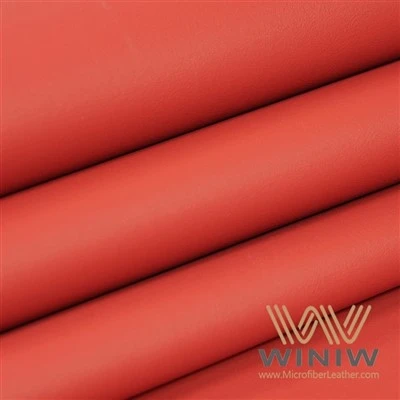
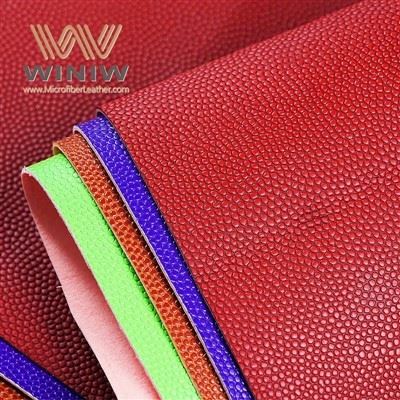
In the world of furniture, automotive interiors, fashion, and accessories, you've likely encountered the term "microfiber leather." But what exactly is microfiber leather? Is it real leather? Is it plastic? And why is it becoming such a popular choice? This comprehensive guide dives deep into the composition, manufacturing process, advantages, disadvantages, and diverse applications of this innovative material, helping you understand if it's the right fit for your needs.
Defining Microfiber Leather: Not Your Average Synthetic
Microfiber leather, also known as ultra-microfiber leather or sometimes referred to as "vegan leather," is a high-performance synthetic material designed to mimic the look, feel, and durability of genuine leather. However, it's crucial to understand that microfiber leather is not plastic sheeting like traditional PU leather.
Its core lies in its unique structure:
Microfiber Base: This is the foundation, typically a non-woven fabric made from incredibly fine polyester and polyamide (nylon) fibers. These fibers are ultra-thin (much finer than a human hair), densely packed, and entangled to form a strong, breathable, and flexible substrate. Think of it like a high-tech felt.
Polyurethane (PU) Coating: The microfiber base is impregnated and coated with a high-quality, elastic polyurethane resin. This PU layer is what gives the material its leather-like texture, grain pattern, color, and protective surface properties.

How is Microfiber Leather Made?
The manufacturing process is key to microfiber leather's superior qualities compared to cheaper synthetics:
Fiber Production: Ultra-fine polyester and polyamide fibers are produced.
Non-Woven Fabric Formation: These microfibers are suspended in liquid and then processed (often using needle-punching or hydro-entanglement) to form a dense, uniform, and highly porous non-woven sheet.
PU Impregnation: The non-woven base is soaked in a polyurethane resin mixture. This saturates the fabric, binding the fibers together and filling the voids, creating a solid yet flexible core. This step is critical for strength and durability.
Coating & Embossing: A top layer of PU is applied to the impregnated base. This surface layer is then embossed under heat and pressure with patterns (like leather grain, pebbling, etc.) to achieve the desired aesthetic and tactile feel.
Dyeing & Finishing: The material is dyed to the required color and undergoes various finishing treatments. These treatments can enhance properties like water resistance, stain resistance, abrasion resistance, UV resistance, and softness.
Key Benefits of Microfiber Leather
Exceptional Durability & Tear Resistance
The dense microfiber base provides superior strength and resistance to tearing, puncturing, and abrasion compared to genuine leather split layers or thin PU leather. It's often more durable for high-wear applications.
01
Consistent Quality & Appearance
Unlike natural leather, which has inherent variations in grain and texture, microfiber leather offers uniformity in color, texture, and thickness across large batches. No scars or insect bites!
02
High Breathability
Thanks to the porous structure of the microfiber base (even after PU impregnation), microfiber leather allows air and moisture vapor to pass through much better than PVC or solid PU leathers. This makes it more comfortable for seating and apparel.
03
Excellent Flexibility & Soft Feel
The combination of fine fibers and quality PU results in a material that is soft, supple, and comfortable to the touch, often comparable to premium genuine leather.
04
Easier Maintenance & High Stain Resistance
Its synthetic surface is generally highly resistant to stains and spills. Cleaning usually just requires wiping with a damp cloth. It's also more resistant to fading and cracking with proper care compared to some leathers.
05
More Affordable than Top-Grain Leather
While often priced higher than basic PU leather, microfiber leather typically offers a better price point than high-quality full-grain or top-grain genuine leather while delivering similar performance and aesthetics.
06
Animal-Friendly & Vegan Option
As it contains no animal products, it's a cruelty-free alternative for consumers seeking vegan materials.
07
Water Resistance
The PU coating provides inherent water resistance, protecting the material from spills and moisture damage.
08
Where is Microfiber Leather Used?
Its performance makes it suitable for numerous demanding applications:
Automotive Interiors: Seats, steering wheels, dashboards, door panels, gear shifters (popular due to durability, UV resistance, ease of cleaning).
Furniture: Sofas, armchairs, office chairs, bar stools, headboards (excels in high-traffic homes and commercial settings).
Footwear: Shoes, boots, sneakers (durable, weather-resistant).
Fashion & Accessories: Handbags, wallets, belts, jackets, watch straps.
Sports Equipment: Gym equipment upholstery, sports bags, balls.
Electronics Cases: Phone cases, laptop sleeves.
Conclusion
So, what is microfiber leather?
It's a sophisticated, engineered material crafted from ultra-fine fibers and high-quality polyurethane to deliver exceptional durability, a consistent leather-like appearance, impressive breathability, and straightforward care.
While it doesn't replicate the soul of genuine leather, it provides a highly practical, ethical, and cost-effective alternative for demanding applications in automotive, furniture, fashion, and beyond.
Understanding its composition, benefits (like superior tear resistance and ease of cleaning), and how it compares to genuine and PU leather empowers you to make the best choice for your specific project or purchase.