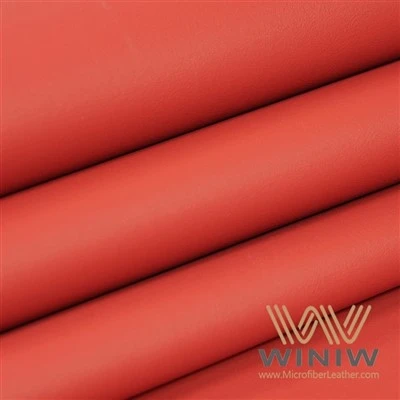
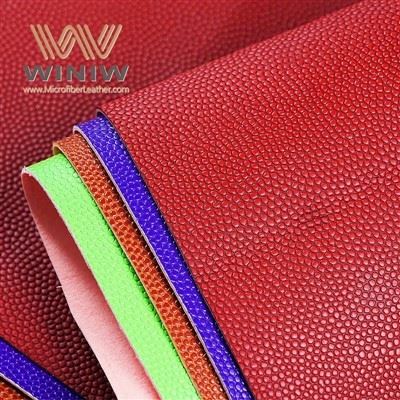
Water-borne PU leather utilizes H2O as the primary dispersion medium during coagulation, physically replacing Dimethylformamide (DMF) and toluene. This aqueous polymerization process achieves absolute zero DMF residue, ensuring the substrate strictly passes EU REACH SVHC limits without compromising the peeling strength of the sea-island microfiber matrix.
Polymerization and Chemical Structure (DMF vs. H₂O)
Standard solvent-based polyurethane relies on toxic halogenated solvents to dissolve the PU resin before coating the polyethylene terephthalate (PET) fiber base. During the thermal curing phase at 150°C, these solvents vaporize, releasing high concentrations of Volatile Organic Compounds (VOCs) and trapping residual DMF within the micropores of the material.
Conversely, engineering a solvent free synthetic leather relies on water-dispersed aliphatic polyurethane. The curing process evaporates pure water vapor, eliminating toxic exhaust while forming a highly cross-linked polymer network. The following matrix quantifies the chemical and mechanical differences for Tier 1 procurement evaluating an eco-friendly faux leather wholesale transition.
| Testing Parameter | Solvent-Based PU Leather | Water-borne PU leather | Testing Protocol |
| Dispersion Medium | DMF / Toluene / MEK | H₂O (Pure Water) | Chemical Audit |
| DMF Residue | 500 - 1500 ppm | 0 ppm (Non-detectable) | EN 16778 |
| Total VOC Emissions | > 300 μg/g | ≤ 10 mg/kg | VDA 277 |
| Hydrolysis Resistance | 1 - 2 Weeks | > 5 Weeks (70°C, 95% RH) | SATRA TM344 |
| Peeling Strength | ≤ 20 N/3cm | ≥ 30 N/3cm | ISO 2411 |
Procurement & QA Notice: Transitioning your production line to zero-DMF substrates? WINIW International Co., Limited provides full chemical traceability and ISO 9001 certified physical data.
Request Physical Swatches & Lab TDS Report directly from our PU Leather division.
Occupational Health and Global Environmental Compliance
Mass production of solvent-based materials exposes factory operators to severe respiratory and dermal toxicity risks. By strictly adopting aqueous coagulation, WINIW International Co., Limited completely removes worker exposure to hazardous air pollutants (HAPs) on the coating line.
For CPOs, this chemical substitution removes regulatory bottlenecks. A verified solvent free synthetic leather bypasses California Proposition 65 warnings and EU REACH Annex XVII restrictions. In automotive applications, the absolute absence of residual solvents ensures the material passes VDA 277 odor and emission limits (≤ Grade 3.0), physically preventing chemical off-gassing and windshield fogging (DIN 75201) in high-temperature vehicle cabins.
Frequently Asked Questions
Q: What is the difference between water-borne PU and solvent-based PU?
A: Water-borne PU uses water as the dispersion medium, achieving 0 ppm DMF residue and ≤10 mg/kg VOCs. Solvent-based PU requires toxic chemicals like Dimethylformamide and toluene for coagulation, leaving hazardous residues trapped in the polymer matrix.
Q: Does WBPU match the peeling strength of traditional synthetic leather?
A: Yes. Aqueous aliphatic polyurethane forms a highly cross-linked network within the sea-island PET matrix. This ensures the material consistently maintains an ISO 2411 peeling strength of ≥30 N/3cm and endures >100,000 Martindale abrasion rubs.
Q: Is WBPU required for REACH compliance in Europe?
A: While heavily regulated, standard PU frequently fails EU REACH limits due to high DMFa content. Utilizing WBPU guarantees non-detectable levels of all restricted Substances of Very High Concern (SVHCs), directly expediting European customs clearance for global OEMs.