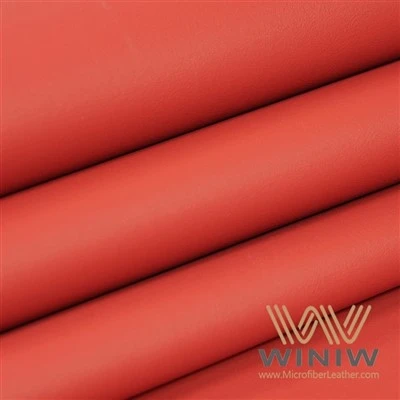
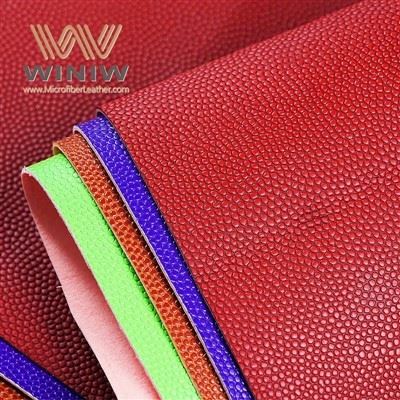
Bio-based synthetic leather replaces 30% to 45% of petroleum-derived polyurethane with biomass extracts sourced from corn and soy. This bio-carbon integration maintains the dense sea-island fiber structure while mathematically reducing the material's carbon footprint (ISO 14067) without compromising EN ISO 12947-2 abrasion limits.
Polymer Integration: Corn and Soy Biomass Extraction
Standard microfiber manufacturing relies strictly on fossil-fuel-derived polyether polyurethane to impregnate the polyethylene terephthalate (PET) core. As a direct Sustainable microfiber supplier, we synthesize Plant based faux leather by polymerizing plant-derived polyols. Through the enzymatic hydrolysis of non-edible corn stover and soybean oil, we extract bio-glycols to formulate the polyurethane resin.
This partial replacement maintains the necessary cross-linking density required for industrial assembly lines. The resulting DMF-free matrix resists hydrolysis (> 5 Weeks, SATRA TM344) and guarantees an ISO 2411 peeling strength of ≥ 30 N/3cm. This ensures zero physical performance drop for Tier 1 OEMs transitioning from 100% petroleum models.
Procurement & QA Notice: Need to verify exact bio-carbon content for your ESG reporting? Request our ASTM D6866 certification and physical lab-dip samples today.
Request Physical Swatches & Lab TDS Report for our Environmentally Friendly Synthetic Leather
Quantitative Carbon Footprint Reduction (ISO 14067)
Corporate sustainability mandates require verifiable carbon accounting. Integrating bio-based polyurethanes directly lowers the Global Warming Potential (GWP) of your Bill of Materials (BOM). The matrix below details the lifecycle assessment of our engineered bio-substrate against standard petroleum PU.
| Physical Property / Metric | Standard Petroleum PU | Bio-based synthetic leather | Testing Protocol |
| Bio-Carbon Content | 0% | 30% - 45% | ASTM D6866 |
| Carbon Footprint (GWP) | > 5.5 kg CO₂e/m² | < 3.2 kg CO₂e/m² | ISO 14067 |
| Tear Strength | ≤ 40 N | ≥ 60 N | EN ISO 3377-2 |
| VOC Emissions | > 30 μgC/g | ≤ 10 mg/kg | VDA 277 |
| REACH SVHC Compliance | Variable (Solvents) | Pass (0 mg/kg) | GC-MS |
Initiate custom bio-content specifications
Frequently Asked Questions (FAQ)
Q: How is the bio-content in plant based faux leather measured?
A: Laboratories utilize the ASTM D6866 radiocarbon dating method. This distinguishes contemporary biomass carbon (from corn/soy) from fossil carbon, accurately certifying that the bio-based synthetic leather contains 30% to 45% renewable carbon isotopes.
Q: Does bio-based polyurethane reduce peeling strength or durability?
A: No. The bio-polyols are chemically polymerized to maintain strict cross-linking density within the sea-island PET matrix. It consistently achieves an ISO 2411 peeling strength of ≥ 30 N/3cm and endures > 100,000 Martindale rubs (EN ISO 12947-2).
Q: Is a sustainable microfiber supplier compliant with EU REACH?
A: Yes. The bio-based coagulation process utilizes DMF-free, water-borne systems. This guarantees total Volatile Organic Compound (VOC) emissions remain ≤ 10 mg/kg, completely eliminating ECHA-restricted SVHCs for seamless European customs clearance.