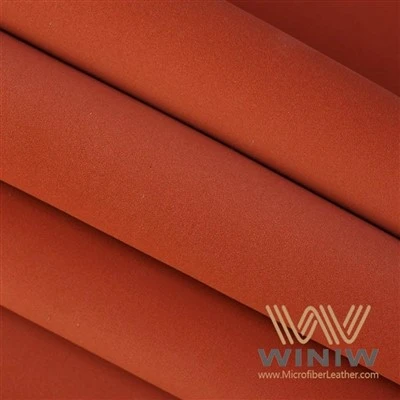
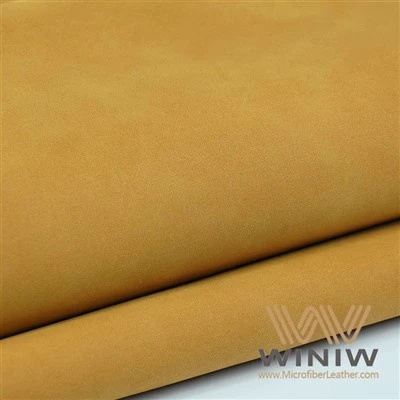
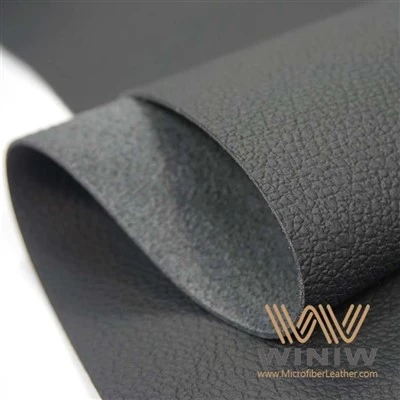
GRS certified synthetic leather utilizes post-consumer recycled polyethylene terephthalate (rPET) derived from plastic bottles to engineer the 3D sea-island non-woven matrix. By replacing 50% to 100% of virgin polyester with rPET, WINIW International Co., Limited maintains strict ISO 2411 peeling strength while generating verifiable Transaction Certificates (TC) for global supply chain compliance.
rPET Extraction and Sea-Island Fiber Engineering
To manufacture industrial-grade recycled microfiber suede, QA protocols dictate that mechanical performance must mathematically match virgin petroleum substrates. Recycled plastic flakes undergo thermal depolymerization and are extruded into micro-denier fibers (≤ 0.01 dtex). When coagulated with DMF-free water-borne polyurethane, this rPET architecture achieves a tear strength of ≥ 60 N (EN ISO 3377-2), completely avoiding the structural degradation common in low-tier recycling processes.
Procurement & QA Notice: Need verified TC documents for your next eco-footwear line? Request our ISO 9001 physical testing data and ESG compliance files.
Request rPET Swatches & Lab TDS Report directly via our Certificate page.
Supply Chain Transparency and Transaction Certificates (TC)
A verified sustainable faux leather factory must prove exact material origin. Global Recycled Standard (GRS 4.0) compliance requires strict chain of custody documentation from the chemical reactor to the shipping container.
| Testing Parameter | Virgin Microfiber | recycled microfiber suede | Testing Standard |
| Base Fiber Source | Petroleum-derived PET | rPET (Post-consumer) | GRS 4.0 Audit |
| Tear Strength | 40 - 60 N | ≥ 60 N | EN ISO 3377-2 |
| Abrasion Resistance | > 100,000 Rubs | > 100,000 Rubs | EN ISO 12947-2 |
| TC Issuance | Not Applicable | Mandatory per batch | Control Union / TE |
For Tier 1 procurement, WINIW International Co., Limited issues a batch-specific TC through authorized bodies (e.g., Control Union). This mathematically verifies the recycled content percentage, preventing ESG greenwashing and ensuring the sustainable faux leather factory passes independent European environmental audits without customs delays.
Frequently Asked Questions
Q: How is rPET used in synthetic leather manufacturing?
A: Post-consumer plastic bottles are thermally depolymerized into chips, then extruded into micro-denier (≤ 0.01 dtex) fibers to form the 3D sea-island non-woven base. This replaces virgin petroleum PET while maintaining identical structural metrics.
Q: What is a Transaction Certificate (TC) in GRS?
A: A TC is a mandatory document issued by an independent certification body. It verifies that a specific batch of material contains the exact percentage of recycled content claimed, ensuring total supply chain traceability from raw waste to finished textile.
Q: Does recycled microfiber lose peeling strength?
A: No. The rPET fibers are fully coagulated with polyether polyurethane under controlled thermal conditions. The resulting matrix consistently achieves an ISO 2411 peeling strength of ≥ 30 N/3cm and endures > 100,000 Martindale abrasion rubs (EN ISO 12947-2).