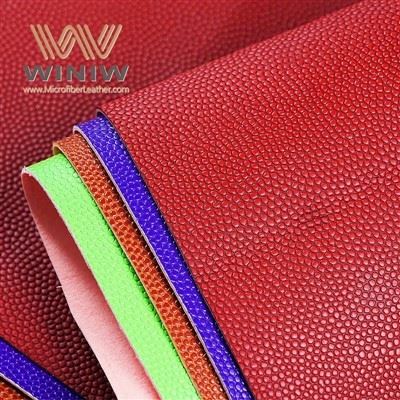
Do Not Accept a Microfiber Roll Until It Matches the Approved Reference
A microfiber leather roll should not be accepted because the color looks close and the roll appears undamaged. Incoming inspection should confirm identity, dimensions, color, surface condition, mechanical properties, roll quantity and packaging against the purchase specification and approved sample.
Before releasing a microfiber leather shipment to production, verify ten points: documents and roll identity, packaging condition, usable width and length, thickness tolerance, color difference, surface and grain consistency, backing condition, peel or adhesion strength, application-specific physical tests and final defect mapping. Record results against the approved specification, not against a generic "industry standard." Hold questionable rolls until the supplier and buyer agree on disposition.
The approved sample must match the SKU, color, thickness, grain and backing being inspected.
Thickness, ΔE, peel and other limits should come from the PO, TDS or quality agreement.
Record batch, roll number, inspection date, result and final disposition.
Prepare the Inspection Standard First
Incoming QC starts before the first roll is unwrapped. The inspector needs a clear reference for what was actually ordered. At minimum, keep the purchase order, product or SKU reference, approved sample, agreed thickness and width, color reference, required test methods and packing requirement available at the inspection station.
One test report should not automatically be treated as evidence for another color, thickness, backing or formulation. When a test result is important to the finished product, confirm that the document identifies the material actually being received.

Microfiber Leather Quality Inspection Checklist
Confirm SKU, Batch and Roll Identification
Start by proving that the material in front of you is the material you ordered. Compare the supplier label, purchase order, packing list and approved sample reference. Record every roll number before material is released to cutting or lamination.
- Check product name or SKU against the purchase order.
- Record batch, lot and individual roll numbers.
- Confirm color, grain, thickness and backing identification.
- Check quantity against the packing list.
Inspect Packaging Before Removing the Protective Wrap
Transport damage can affect an otherwise conforming roll. Check the outer package, roll ends and moisture protection before the material is unwrapped. Photograph crushed edges, torn bags, wet packaging, broken cores or missing labels while the original shipping condition is still visible.
- Check whether outer wrapping is torn or punctured.
- Inspect both roll ends for compression damage.
- Look for signs of water or condensation.
- Confirm labels remain readable and attached.
- Compare packing method with the purchase requirement.
Measure Usable Width and Verify Roll Length
Nominal width and usable width are not always the same. Measure the width that can actually enter the buyer's cutting plan after excluding damaged or unusable edges. For sensitive programs, measure more than one point along the roll rather than relying on a single reading near the roll end.
- Measure usable width at several positions.
- Record narrow-edge or damaged-edge zones.
- Confirm roll length using the agreed measurement method.
- Check total delivered quantity against invoiced quantity.
Check Thickness at Multiple Points Across the Roll
One thickness measurement cannot represent an entire microfiber roll. Measure at defined positions across the width and, when required, at multiple points along the roll. Avoid measuring on obvious embossing peaks or damaged areas unless the agreed method specifically requires it.
- Use a calibrated thickness gauge.
- Follow the agreed pressure and measurement method.
- Measure left, center and right positions.
- Compare every result with the agreed tolerance.
- Record minimum, maximum and average where required.
Compare Color and Record ΔE When Instrumental Control Is Required
Color should be compared with the approved master under a controlled viewing condition. For color-critical projects, a spectrophotometer can provide a numerical ΔE value, but the instrument setting, illuminant, observer, sample orientation and acceptance limit must be agreed before the number is interpreted.
- Use the approved physical master or lab dip.
- Keep lighting conditions consistent during visual assessment.
- Control nap direction on microfiber suede before measurement.
- Record ΔE using the agreed instrument setup.
- Check side-to-center and roll-to-roll shade consistency.
Inspect Surface, Grain, Gloss and Visible Defects
Unroll enough material to identify repeating and non-repeating defects. Inspect the surface under consistent lighting and compare grain, gloss, hand feel and appearance with the approved sample. Mark defect locations instead of relying only on a verbal statement such as "several spots found."
- Check scratches, stains, pinholes and coating marks.
- Look for uneven embossing or grain distortion.
- Inspect wrinkles, creases and pressure marks.
- Compare gloss and hand feel with the approved sample.
- Record defect position and affected length.
Check the Backing and Layer Bond
Turn the material over. The backing can affect cutting, sewing, lamination, forming and dimensional stability even when the face looks correct. Check backing texture and consistency, then inspect the edge for signs of separation between the surface system and substrate.
- Compare backing structure with the approved sample.
- Check contamination, uneven treatment or loose fibers.
- Look for edge lifting or visible delamination.
- Confirm laminations or secondary backings where ordered.
Test Peel or Adhesion Strength Using the Agreed Method
Peel strength helps determine whether the coating, microfiber base or laminated layers remain bonded under the specified test condition. The number has little value unless specimen width, direction, test speed, preparation and result definition are known.
Do not copy a peel-strength requirement from an unrelated product page. A shoe upper, football casing, upholstery material and laminated automotive trim can require different constructions and acceptance criteria.
- Condition the specimen as required by the test method.
- Cut specimens in the required direction.
- Record the test method and unit with every result.
- Compare results with the approved SKU limit.
Run the Physical Tests That Match the End Use
A microfiber roll does not need every possible laboratory test at incoming inspection. It needs the tests that control the actual project risk. Footwear may prioritize flexing, tear and peel. Upholstery may prioritize abrasion, seam performance and flammability. Automotive material may require weathering, emissions or flame testing depending on the program.
- Footwear: flex, tear, peel and relevant water behavior.
- Upholstery: abrasion, seam, scratch or specified fire test.
- Automotive: weathering, flame and customer-specific tests.
- Bags: colorfastness, seam tear and surface wear.
- Gloves: flexing, grip-related performance and seam strength.
Map Defects, Review Records and Decide Release Status
Finish the inspection by combining visual findings, dimensional results, laboratory checks and roll traceability into one release decision. A defect should be linked to its roll and location so the cutting department knows whether the material is fully usable, conditionally usable or held for supplier review.
- Record pass/fail against each agreed characteristic.
- Attach photographs of significant defects.
- Identify affected roll numbers and positions.
- Separate nonconforming material from released stock.
- Document reinspection, concession, replacement or rejection.

Why a Test Result Needs More Than a Number
A statement such as "peel strength 3.5 kg/3 cm" or "tear strength 40 N" cannot be compared fairly unless the test method and specimen conditions match. Direction, width, conditioning, speed and result definition can change what the number represents.
The same principle applies to abrasion testing. A Martindale cycle count, Wyzenbeek double-rub result and Taber abrasion result describe different procedures. They should not be converted into one universal durability ranking.
When we review a buyer's quality requirement, we prefer the complete method and acceptance limit so the sample and test evidence can be matched to the intended application.
What Your Incoming QC Report Should Record
A useful synthetic leather QC checklist should allow another person to understand what was inspected, which standard was used and why the roll was accepted or rejected. Avoid records that contain only a tick mark with no specification or measured result.
| Inspection Field | What to Record | Acceptance Basis | Typical Evidence |
|---|---|---|---|
| Material Identity | SKU, color, thickness, backing, batch and roll | PO / approved sample | Roll label and packing list |
| Dimensions | Thickness, usable width and roll length | Approved specification | Measurement record |
| Color | Visual result and ΔE where specified | Approved master and tolerance | Color inspection record |
| Appearance | Grain, gloss, defects and defect locations | Approved sample / defect standard | Defect map and photographs |
| Mechanical Test | Method, specimen, result and unit | Buyer-defined limit | Internal or third-party result |
| Packaging | Protection, labels, roll condition and quantity | PO / packing requirement | Receiving photographs |
| Disposition | Release, hold, concession, rework or reject | Quality agreement | Signed inspection record |
Choose Tests by Failure Risk, Not by Checklist Length
Adding more tests does not automatically create a better synthetic leather audit. The inspection plan should focus on characteristics capable of causing failure in the buyer's finished product.
For example, a sofa manufacturer may care more about abrasion and seam performance than low-temperature flexing. A safety-shoe manufacturer may put flexing, peel and tear near the top of the list. A bag brand may treat color transfer as a major risk.
WINIW's quality-control process includes visual, dimensional and project-selected physical testing, but the final test list and sampling frequency should be agreed for the individual order.

What to Do When a Microfiber Roll Fails Inspection
Do not mix questionable rolls into released production stock while waiting for a decision. Identify the affected roll, preserve the evidence and compare the finding with the approved requirement. Whether the material is rechecked, accepted under concession, replaced or rejected depends on the actual defect and the buyer-supplier quality agreement.
Inspection results meet the agreed specification and the roll can enter normal production.
Identity, measurement, defect or test evidence needs review before the material can be used.
The material does not meet an agreed requirement and requires a documented disposition.
TDS, COA and Test Reports Serve Different Purposes
Buyers often ask for "the certificate" when they actually need several different records. A Technical Data Sheet describes product identity and specification or typical property information. An inspection record shows what was checked for a defined order or stage. A COA or COC can provide batch-related evidence when this has been agreed. A third-party report records results for the specific sample and test scope named in the report.
TDS
Use it to confirm product construction, dimensions and declared or typical properties. Check which values are specifications and which are typical.
Inspection Record
Use it to connect the roll or batch with measured results, acceptance limits and disposition.
COA / COC
Agree required batch-release fields before ordering rather than assuming every shipment includes the same document.
Third-Party Test Report
Check sample identity, method, result, date and scope before using the report to approve another material.

Use the Same Logic When Auditing a Synthetic Leather Supplier
A faux leather audit should verify more than whether testing machines are present in the laboratory. Ask how the supplier links an approved sample to the production lot, how inspection limits are defined, how nonconforming material is controlled and how the final shipment is connected to its records.
Equipment only becomes useful evidence when the method, sample, settings, result and acceptance decision are documented. This is particularly important when buyers compare several microfiber, PU or PVC leather suppliers using different internal test methods.
Microfiber Leather Incoming Inspection Questions
Not necessarily. Sampling frequency should be defined by the buyer's control plan, material risk, supplier history and the characteristic being checked. Identity, packaging and visual condition may be checked more broadly, while destructive laboratory testing normally follows an agreed sampling plan.
There is no universal ΔE limit for every synthetic leather project. The buyer and supplier should agree on the color reference, instrument conditions, formula and acceptance tolerance before production. Visual assessment may also remain necessary for textured or directional surfaces.
Use the sampling pattern defined in your inspection plan. Multiple measurements across the usable width are more informative than one reading, and high-risk programs may also require measurements at different roll positions. Record the method together with the results.
A TDS is useful for material identity and specification, but it does not replace incoming inspection or batch-specific evidence when these are required. The buyer should confirm which TDS values are limits, which are typical and which shipment records are required for release.
Send the PO or order reference, SKU, batch and roll number, approved requirement, measured result, inspection method, defect photographs, affected quantity and current material status. Clear traceability allows the supplier to investigate the specific production lot instead of treating the complaint as a general material issue.
Need a TDS, Test Report or Material Inspection Review?
Send us the material or sample reference, application, thickness, backing, color, required test method and acceptance limit, order quantity and destination country. We can review the relevant TDS, available test evidence, sample requirement or material recommendation for your sourcing project.
Request QC Documents & Material Support