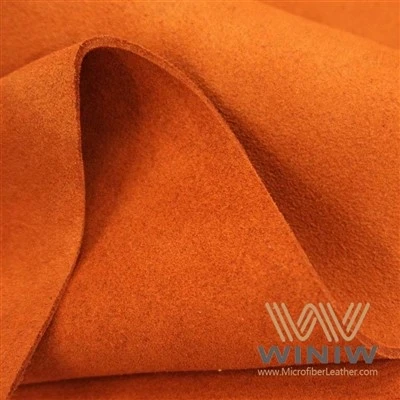
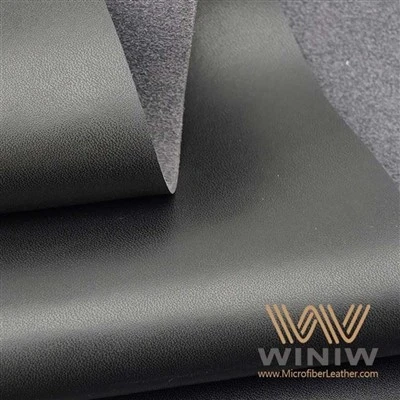
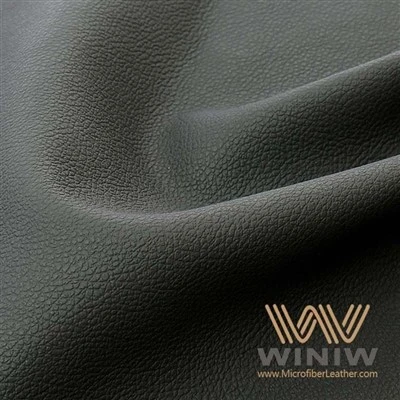
Dead creases generated by Z-axis compression during long-haul oceanic freight permanently alter the geometric structure of standard textiles, directly dropping automated CAD/CAM cutting yields below 65%. WINIW International Co., Limited mitigates these irreversible deformations by synthesizing a high-elastic recovery polyether matrix and deploying a rigid, suspension-based packaging architecture to isolate the material from mechanical load.
Polymer Elasticity: Engineering out Compression Deformations
Standard ester-based polyurethane (PU) undergoes thermal softening when ISO shipping containers reach transit temperatures of 50°C. If rolls are stacked horizontally without rigid core support, the basal weight compresses the softened PU against the underlying polyethylene terephthalate (PET) fibers, permanently fracturing the 3D sea-island matrix and causing irreversible faux leather creases.
To prevent this structural failure, we formulate our micro suede utilizing a high-rebound aliphatic water-borne polyurethane. This specific resin geometry maintains strict cross-linking density even at 70°C. When subjected to an EN ISO 3376 tensile extension test, the material exhibits rapid elastic recovery, ensuring that any superficial pressure marks sustained during handling naturally rebound within 24 hours at standard room temperature (20°C). To review the exact thermal recovery metrics for your specific GSM requirements, consult our technical FAQ database.
Structural Defense via Engineered Roll Cores
Mitigating transit damage requires absolute physical isolation. Poor synthetic leather packaging relies on thin 3mm paper cores that buckle under the kinetic impact of forklift loading, leading to internal roll telescoping and edge fraying.
Our standard operating procedure for microfiber suede roll shipping mandates the use of heavy-duty cardboard cores with an inner diameter of 3 inches (76mm) and a strictly calibrated wall thickness of ≥ 8mm. The winding tension is automated to ≤ 5 N to prevent longitudinal stretching. Furthermore, rigid polymer end-caps are inserted into the core ends. When the rolls are loaded into the container, these caps absorb the horizontal stacking pressure, effectively suspending the textile layer in the air and completely isolating the usable surface from direct mechanical crush loads.
| Packaging / Material Parameter | Standard Low-Tier Model | WINIW Engineering Standard | Validating Protocol |
| Core Wall Thickness | 3mm - 5mm (Buckling risk) | ≥ 8mm (Rigid structural support) | Caliper QA |
| Winding Tension Control | Manual (Irregular stretch) | Automated ≤ 5 N | Inline Sensor |
| Elastic Recovery (Deformation) | Irreversible Dead Folds | 100% Visual Recovery | EN ISO 3376 |
| Flexing Endurance | < 50,000 Cycles | > 100,000 Cycles | EN ISO 5402-1 |
| Peeling Strength Tolerance | Drops under compression | Stable at ≥ 30 N/3cm | ISO 2411 |
By integrating this suspension packaging method, OEMs guarantee a 100% usable surface area upon unrolling, eliminating the need to manually map and avoid dead folds on the cutting table. For exact TEU/FEU container volume calculations or to initiate a trial shipment utilizing this protocol, coordinate your logistics directly through our Contact Us portal.
Frequently Asked Questions
Q: What exactly causes dead creases in micro suede during sea freight?
A: Dead creases occur when rolls are stacked without rigid structural cores inside hot shipping containers (up to 50°C). The combined Z-axis weight and thermal softening cause the polyurethane resin to permanently collapse into the PET fiber base.
Q: How does the paper tube specification prevent material wrinkling?
A: We utilize a 3-inch (76mm) inner diameter paper core with an 8mm wall thickness. This high-density rigid tube prevents inward buckling and edge telescoping, ensuring the winding tension remains uniform from the first meter to the last.
Q: Will the faux leather recover if minor wrinkles occur during handling?
A: Yes. WINIW formulates the substrate with high-rebound polyether polyurethane. Because it consistently passes EN ISO 5402-1 flexing endurance (>100,000 cycles), superficial pressure marks rebound completely when unrolled at standard room temperature.