Introduction
With modern product development demanding ever-increasing levels of sustainability, durability, and design freedom, traditional PU and PVC synthetic leathers are gradually failing to meet evolving market needs. Manufacturers and designers are seeking a safer, longer-lasting, and highly customizable innovative material. It is against this backdrop that silicone leather has rapidly emerged as a new generation of environmentally friendly synthetic leather material. This article will provide a comprehensive analysis of the definition, advantages, applications, and selection criteria of silicone leather, helping manufacturers and designers gain a more complete understanding of this emerging, eco-friendly leather.

What is Silicone Leather?
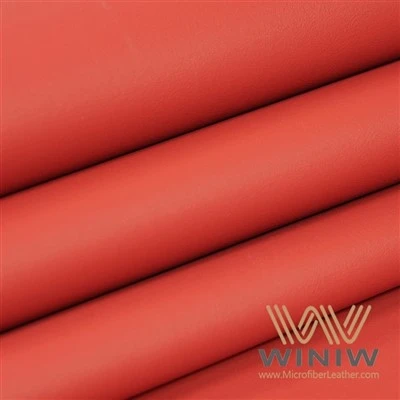
Silicone leather is a new type of synthetic leather material formed by coating and compounding silicone resin onto a textile base fabric. Unlike PU and PVC, silicone leather does not use any solvents, plasticizers, or harmful chemicals in its production process, making it more environmentally friendly and possessing higher durability and structural stability.
Core Structure
• Surface Layer: Composed of silicone raw materials. Silicone is a non-toxic, aging-resistant polymer material, providing excellent elasticity and flexibility.
• Substrate Layer: Usually made of non-woven fabric, polyester knitted fabric, microfiber, or other fiber materials, providing support and enhancing toughness.
Manufacturing Process of Silicone Leather
Base Fabric Selection
Depending on the application scenario, woven fabric, knitted fabric, microfiber, or non-woven fabric can be selected. Different base fabrics will determine the strength and feel of the leather.
Silicone Coating
Silicone resin is applied through scraping or roller coating to form a smooth and consistent surface.
Curing Process
Through heat curing, the silicone transforms from a liquid state to an elastic solid state, forming a stable and flexible silicone surface layer.
Surface Treatment
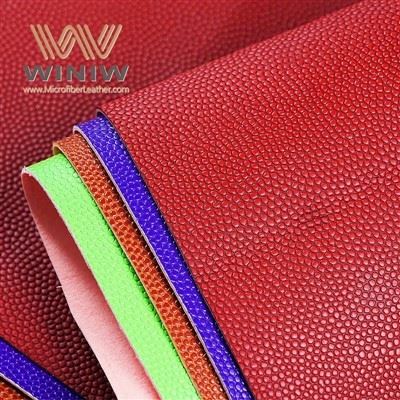
Mechanical embossing, matte treatment, and texture treatment can be performed to showcase different visual effects.
Core Performance and Advantages of Silicone Leather
Physical Performance
Abrasion Resistance
Silicone leather has a very durable surface that maintains its integrity even under repeated pulling, friction, and bending. Unlike PU or PVC, it will not peel, crack, or powder.
Tear Resistance
The strong bond between the silicone coating and the base fabric, combined with excellent toughness, prevents tearing from the edges, even under sudden impact or continuous pulling.
Scratch and Abrasion Resistance
The surface of silicone leather has a certain degree of elasticity, making it less prone to deep scratches from hard objects such as fingernails or keys.
Long-Term Flexibility
Silicone itself has excellent molecular stability, allowing the leather to remain soft even after prolonged bending, curling, and compression, without becoming hard or brittle.
Stain Resistance
The silicone leather surface does not easily absorb oil, beverages, or dust. Most stains can be wiped away with a damp cloth, without the need for additional cleaning agents.
Environmental Adaptability
UV Resistance
Silicone naturally resists ultraviolet radiation, effectively preventing yellowing, cracking, or fading.
High and Low Temperature Resistance
Silicone maintains stable performance within a temperature range of -50℃ to 200℃, making silicone leather suitable for outdoor low-temperature environments and high-temperature exposure in automotive interiors.
Water Resistance and Corrosion Protection
The silicone surface is chemically inert and not easily corroded by seawater or salt spray. It is also waterproof and will not deform, mold, or become sticky due to rain, sweat, or moisture.
Environmental Protection and Safety
Free from Harmful Substances
Silicone leather does not contain common harmful components such as solvents, plasticizers, and phthalates, and does not emit irritating odors. It is more environmentally friendly and safer than traditional PVC or PU materials.
Meets Food-Grade or Medical-Grade Safety Standards
Depending on the raw materials and manufacturing process, silicone leather can meet higher safety standards, such as food-grade and medical-grade requirements. Its surface is easy to clean and resistant to breeding bacteria, making it particularly suitable for applications where hygiene and safety are extremely important, such as medical equipment casings and baby products.
Flame Retardancy
Silicone leather has natural flame-retardant properties, is not easily ignited, and does not spread fire rapidly. In applications such as furniture, transportation, and medical environments, it can effectively improve the overall safety of products and reduce risks.
Tactile and Visual Qualities
Silicone leather has a soft and delicate feel, with a natural matte surface texture. It can be made with simulated leather patterns, various textures, or custom-designed patterns, providing designers with more creative possibilities.
Main Application Areas of Silicone Leather
Automotive Industry
Silicone leather is widely used in car seats, steering wheel covers, dashboards, and interior trim panels. It can withstand prolonged exposure to sunlight, temperature changes, and frequent friction without fading, cracking, or becoming sticky. The material is easy to clean and stain-resistant, making it suitable for the durable interior needs of new energy vehicles, family cars, and high-end models.

Electronics and Smart Devices
Silicone leather is often used in mobile phone cases, tablet covers, speaker covers, smart bracelet straps, and headphone storage cases. It offers excellent coverage, closely conforming to the shape of the device, providing both protection and aesthetic appeal.
Furniture and Upholstery Industry
In the furniture sector, silicone leather is commonly used in sofas, office chairs, lounge chairs, and commercial furniture in high-traffic areas. Its strong abrasion and scratch resistance ensure that furniture remains intact and clean even after prolonged use.

Medical Products
Due to its safety, odorless nature, ease of cleaning, and lack of harmful chemicals, silicone leather is ideal for medical equipment covers, rehabilitation aids, physiotherapy equipment coverings, medical cushions, and assistive devices for the elderly.
Fashion Accessories Industry
Silicone leather is becoming increasingly popular in bags, wallets, footwear, and wearable products. Its soft and lightweight feel makes designs more comfortable for human use, while its highly customizable colors and textures help brands create unique visual styles. Furthermore, the material itself does not contain irritating substances, making it particularly suitable for fashion brands that prioritize environmental protection and sustainability.

Silicone Leather vs. Other Leather Materials
The table below compares silicone leather with other mainstream leather materials across key dimensions such as durability, environmental friendliness, safety, and maintenance methods, helping you quickly assess its value.
|
Category |
Silicone Leather |
PU Leather |
PVC Leather |
Genuine Leather |
|
Durability |
Highly resistant to abrasion, UV, and weathering; does not age easily |
Prone to hydrolysis and aging |
Becomes stiff and cracks over time |
Durable but sensitive to humidity |
|
Environmental & Safety |
Solvent-free, odor-free, plasticizer-free; can meet food-grade or medical-grade levels |
Moderate |
May contain plasticizers and odors |
Natural but tanning involves chemicals |
|
Stain, Water & Flame Resistance |
Naturally waterproof, stain-resistant, and flame-retardant |
Often requires additional coatings |
Stains easily, not flame-retardant |
Limited stain and flame resistance |
|
Touch & Appearance |
Soft, refined feel with highly stable colors |
Adjustable feel but tends to fade |
Plastic-like touch |
Natural, premium texture |
|
Temperature & Cleaning |
Withstands extreme temperatures; alcohol-cleanable |
Sensitive to heat; not alcohol-resistant |
Warps in heat |
Cannot withstand strong cleaners |
|
Cost |
Medium to high |
Medium |
Low |
Medium to high |
How to Choose the Best Silicone Leather

Manufacturers and designers need to consider the application scenario, product requirements when choosing silicone leather.
Clearly Define Application Scenarios and Performance Requirements
Different industries have different requirements for silicone leather, so the first task is to clearly define the application environment.
• Automotive interiors: Focus on high temperature resistance, UV resistance, and colorfastness.
• Furniture and commercial spaces: Abrasion resistance, stain resistance, and ease of cleaning are more important.
• Electronic devices: Require excellent tactile feel, anti-slip properties, and scratch resistance.
• Medical and children's products: Ensure the material meets food-grade or medical-grade standards.
Evaluate Key Performance Indicators
When evaluating samples, focus on the following indicators to select high-quality silicone leather:
• Environmental safety: Especially important for close-fitting clothing or medical applications.
• Weather resistance and durability: Ensure the silicone leather maintains good performance over time under specific environmental conditions.
• Flexibility: Affects the fit of coverings, electrical casings, and wearable devices.
Pay Attention to Appearance, Color, and Processing Compatibility
The color, texture, and post-processing capabilities of silicone leather are key considerations for designers.
When choosing, confirm:
• Can colors be customized, and are they fade-resistant?
• Whether it supports specific leather textures, matte, semi-matte, or glossy finishes?
• Is the material compatible with heat pressing, sewing, lamination?
• Does the feel match our product positioning?
Evaluate Supplier Capabilities and Stability
High-quality silicone leather depends not only on the material but also on the supplier's production capacity and quality management. It's best to confirm the following points with the supplier to ensure a high-quality and stable product supply:
• Does the supplier have a stable source of raw materials?
• Does the supplier provide third-party safety or performance testing?
• Does the supplier support custom colors and textures?
• Can the supplier ensure on-time delivery and batch consistency?
Conclusion
Through the above information, we have learned about silicone leather, its manufacturing process, performance, applications, and how to choose it. Silicone leather's excellent durability, environmental safety, and design flexibility make it an ideal choice for manufacturers and designers seeking high performance and market trends. If you are looking for silicone leather, contact WINNIW, a trustworthy silicone leather manufacturer, to get your best silicone leather solution.