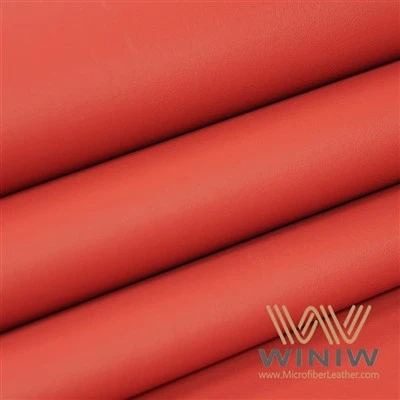
The name causes most of the confusion. "Microsuede" describes a surface finish, not a material family. Two rolls can both be called microsuede and behave completely differently on a Martindale machine.
This is the version of the definition that a buyer can actually specify against.
How microsuede is built
Four steps, and each one changes the performance you get:
Fibre
Polyester islands-in-the-sea fibre, typically 0.01–0.05 dtex - roughly 1/100th the diameter of a human hair. Finer fibre = softer hand, denser nap, better colour depth.
01
Web forming
Fibres are carded and needle-punched into a 3D non-woven mat. Density and needling intensity decide how the material resists compression and pilling.
02
Impregnation(optional)
Some microsuedes are impregnated with a small amount of PU to add body and dimensional stability. This is the line between "microsuede fabric" and "microfiber suede leather" - the latter has a PU matrix, the former may be 100 % polyester.
03
Raising/buffing
The surface is brushed or buffed to lift the fibre ends into a nap. Buffing depth controls the "suede" look: shallow = short, dense nap; deep = longer, softer, more prone to shading.
04
If a supplier cannot tell you which of these four steps differ between two of their articles, they are selling you a colour card, not a material.
The four numbers that predict performance
Two more for specific applications: flex resistance (ISO 5402-1) for shoe uppers, and light fastness (ISO 105-B02) for anything that sees daylight.
Weight (g/m²) and thickness (mm) are the numbers most often quoted and the least predictive. A 200 g/m² microsuede with fine fibre and dense needling will outlast a 260 g/m² material with coarse fibre.
Microsuede vs suede vs the brand names
WINIW Microsuede→
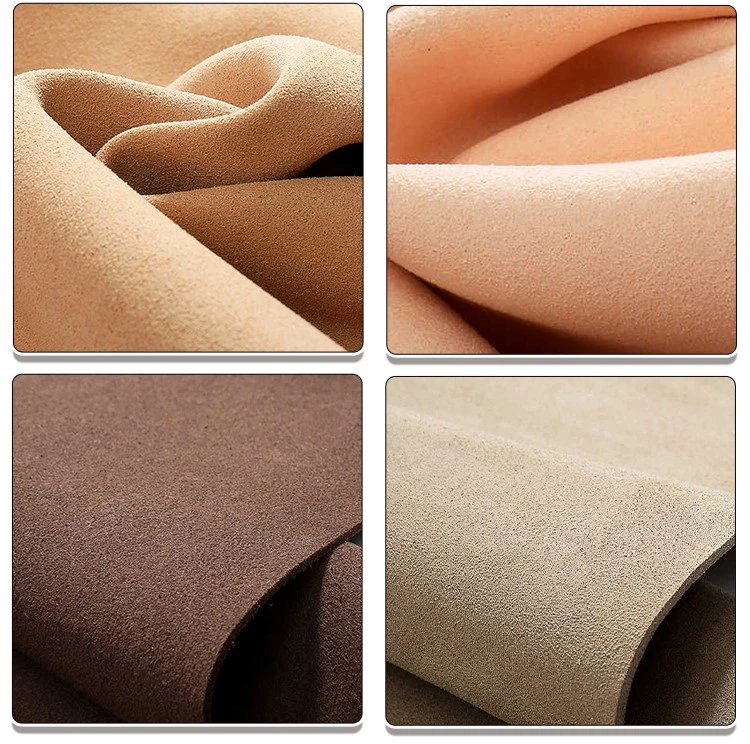
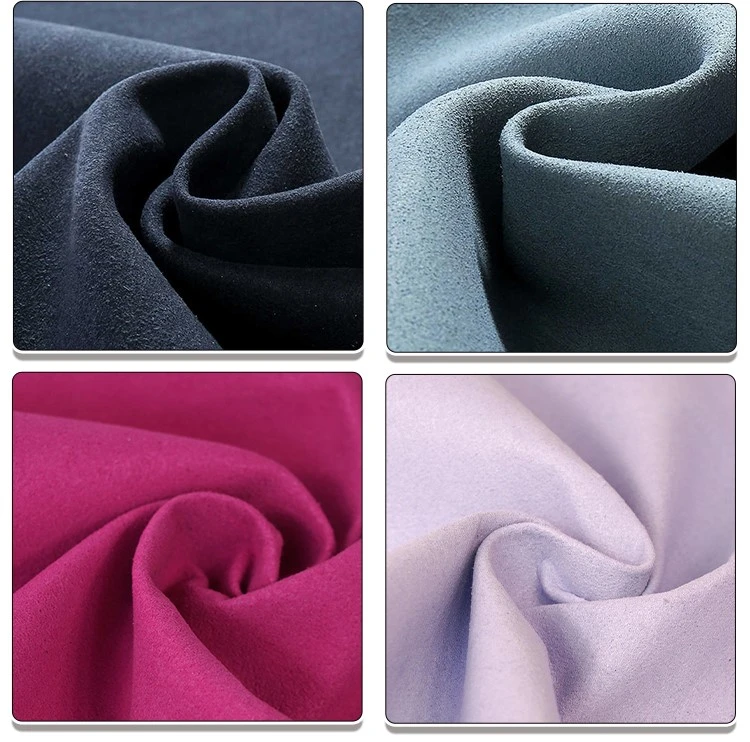
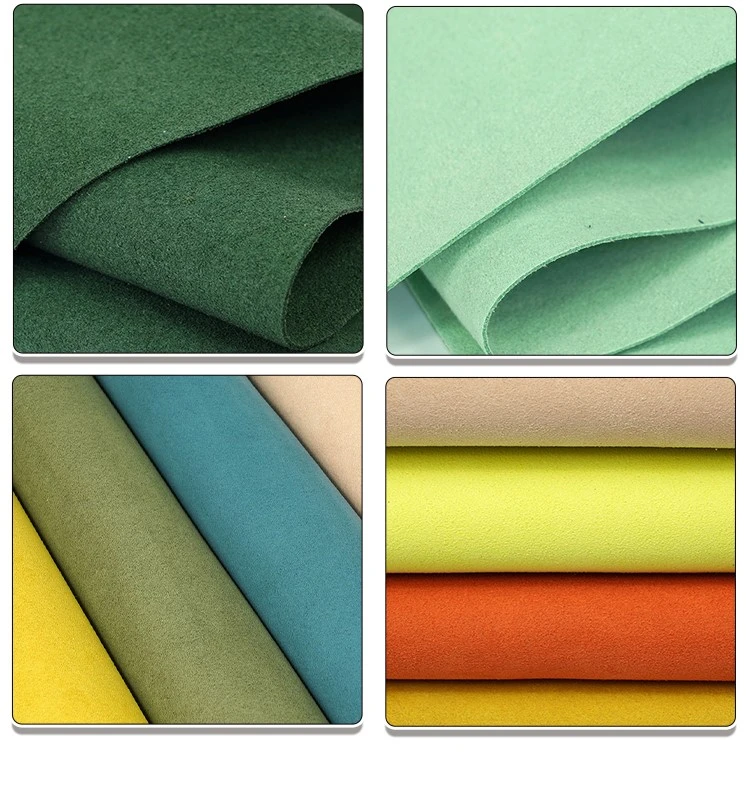
| Microsuede | Real suede | "Ultrasuede" / "Alcantara" | |
| Source | Polyester microfibre, non-woven | Split animal hide, buffed | Branded ultra-fine fibre non-woven (PU matrix) |
| Consistency | Uniform across the roll | Varies by hide area | Uniform |
| Address | 6701 South Dixie Highway,Miami,FL USA | 6701 South Dixie Highway,Miami,FL USA | 6701 South Dixie Highway,Miami,FL USA |
| Cleaning | Washable, solvent-cleanable | Professional clean only | Washable / specialist |
| Abrasion | Controllable and repeatable | Good, variable | Very good |
| Price index | 1× | 2–3× | 4–8× |
| Best for | Volume upholstery, linings, display, footwear | Heritage goods, footwear at the top end | Automotive, aviation, premium seating |
The brand names describe a specific construction (fine fibre + PU matrix, made by two companies). Many buyers use "alcantara" as a generic word for "soft suede-like material" - which is precisely the gap a well-specified microfiber suede fills at a fraction of the price.
Where microsuede wins by application
The display category is the one most buyers miss. Scratch-free, lint-free surfaces are a hard requirement for jewellery and watch presentation, and microsuede meets it at a cost that velvet does not.
Care: what actually damages microsuede
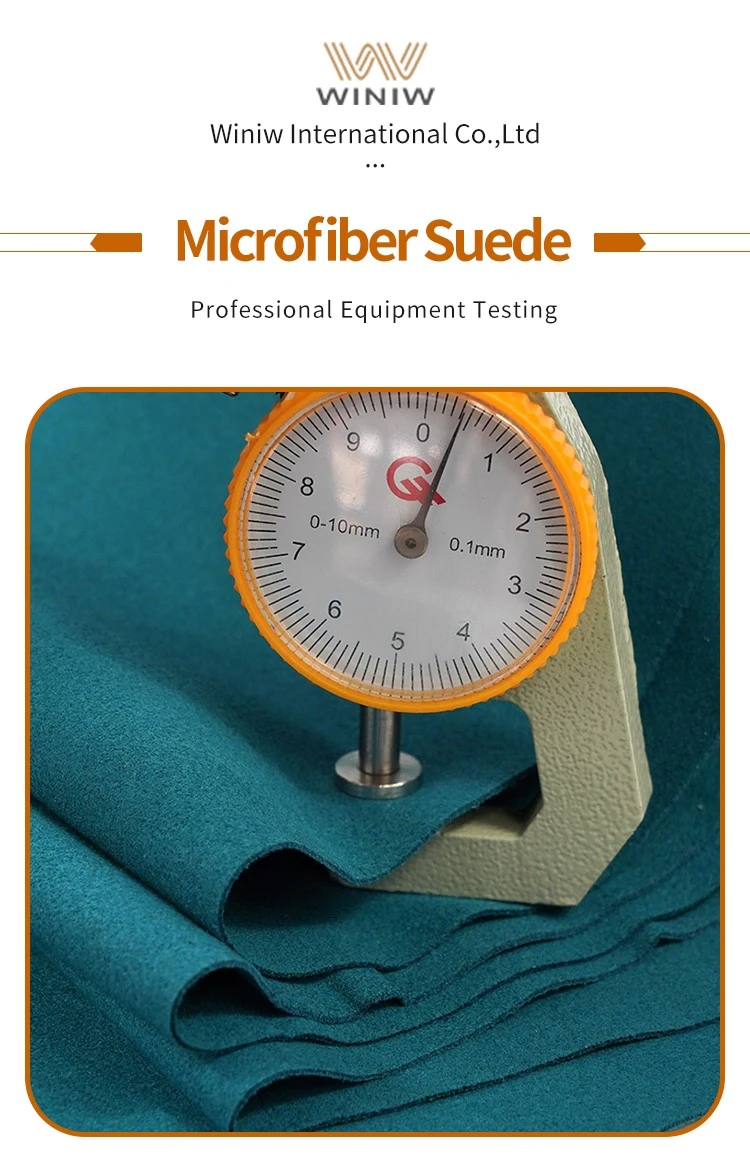
Microsuede is more forgiving than suede, but three things still ruin it:
Heat. Above roughly 150 °C the polyester fibre glazes and the nap flattens permanently. Never iron directly; if you must press, use a cloth and low heat.
Solvent overload. Most microsuede tolerates dry cleaning, but repeated strong solvents strip the finish and dull the colour. Spot-clean first.
Brushing wet. Brushing while wet tears the nap. Let it dry, then brush with a soft suede brush to lift the fibre.
Routine care is unglamorous: vacuum with a brush head, blot spills (do not rub), and for oil use an absorbent powder overnight before any liquid.
How to tell a good microsuede from a cheap one, in 60 seconds
- Fold it. A good material creases softly and recovers; cheap microsuede shows a hard white line at the fold.
- Rub it with a white cloth. Any colour transfer on a dry rub fails ISO 11640 for anything that touches clothing.
- Look at the light. Tilt the sample - patchy shading means uneven needling.
- Pull a fibre. Long, coarse fibres pull out easily; fine fibre resists and breaks short.
- Ask for the Martindale report. If it does not exist, the number on the datasheet is a guess.
Buying by the yard vs buying by the roll
Most searches for microsuede come from people buying one or two yards for a project. Most orders that sustain a factory come in rolls. Both are legitimate, but they need different specifications and different pricing logic - and mixing them is where small buyers get burned.
Two practical rules. Cut samples by the yard always show the best face - ask for a piece from the roll end, which is where the defects live. And if you are specifying for production, buy one roll first and run it through your actual process before committing to a container; a 20 m trial tells you more than any datasheet.
For buyers comparing microsuede against a branded alternative, the honest comparison is not price per metre - it is price per finished unit after yield, plus the cost of the one failure mode that matters for your product. On a sofa that is pilling; on a shoe upper it is flex cracking; on a display surface it is colour transfer.
Comparing microsuede against suede or a branded alternative? We send cut samples with the Martindale, pilling and colour-fastness data attached, so the comparison happens on numbers rather than on a colour card.
Request samples →