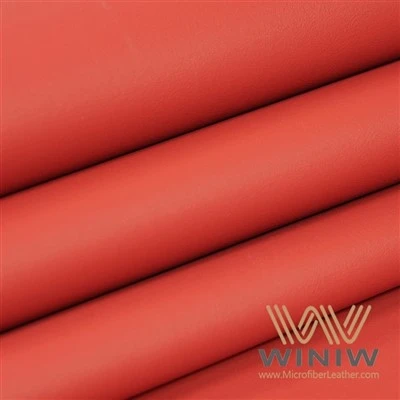
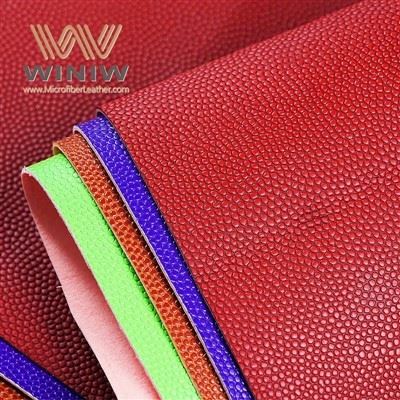
Waterproof and oil-resistant microfiber leather utilizes a fluorine-carbon based nano-treatment integrated directly during the polyurethane coagulation phase. This chemical modification lowers the substrate's surface tension to < 20 mN/m, forcing liquid water and industrial hydrocarbons to bead and roll off completely, rather than penetrating the microporous sea-island matrix.
Surface Tension Modification for Heavy Industry
Standard synthetic PU fails in heavy industrial and culinary environments because liquid hydrocarbons rapidly degrade the ester bonds within the resin. This chemical absorption causes structural swelling, weight gain, and catastrophic surface peeling. By engineering an oil resistant safety shoe leather, we alter the material's contact angle to > 110°.
This high contact angle repels oleic acid, hydraulic fluids, and synthetic machine oils. The base matrix remains uncontaminated, preventing the chemical cleavage of the polymer chains. For mechanical factory boots and commercial kitchen footwear, this ensures the upper material retains its physical elasticity and dimensional stability under continuous exposure to aggressive liquids.
Procurement & QA Notice: Validating fluid resistance for an upcoming occupational footwear line? Request a physical sample roll and our ISO 9001 certified laboratory Technical Data Sheet (TDS).
Request Physical Swatches & Lab TDS Report for waterproof microfiber leather
Quantitative Fluid Resistance Data (EN ISO & AATCC Standards)
Subjective claims of liquid repellency are invalid for Tier 1 safety footwear procurement. QA protocols mandate the quantitative measurement of fluid absorption and structural retention under dynamic flexing. The following matrix outlines the testing data of our treated microfiber against baseline commercial synthetics.
| Physical Property / Metric | Standard PU Leather | Treated Microfiber Leather | Testing Protocol |
| Dynamic Water Penetration | < 30 minutes | > 120 minutes | EN ISO 20344 (Maeser Flex) |
| Oil Repellency Rating | Grade 1 - 2 | Grade 6 | AATCC 118 |
| Hydrocarbon Swelling | > 15% Volume Gain | < 2% Volume Gain | EN ISO 20345 / ASTM D471 |
| Hydrolysis Resistance | 1 - 2 Weeks | > 5 Weeks | SATRA TM344 (70°C, 95% RH) |
| Peeling Strength | ≤ 15 N/3cm | ≥ 30 N/3cm | ISO 2411 |
| Tear Strength | 20 - 30 N | ≥ 120 N | EN ISO 3377-2 |
Engineering for Kitchen and Mechanical Plant Environments
Commercial culinary environments combine hot animal fats, boiling water, and alkaline floor cleaners. This specific chemical cocktail accelerates base hydrolysis in standard footwear.
Our treated microfiber utilizes DMF-free polyether-based polyurethane. Polyether chains intrinsically resist chemical cleavage from alkaline agents. When combined with the fluorocarbon surface treatment, the upper material maintains a strict ±0.05mm thickness tolerance without absorbing ambient grease. The 3D electrospun sea-island fiber matrix distributes mechanical stress uniformly, ensuring the boot upper achieves > 100,000 Martindale rubs (EN ISO 12947-2) even after prolonged exposure to industrial lubricants.
Frequently Asked Questions (FAQ)
Q: How does microfiber leather resist industrial machine oil?
A: We apply a fluorine-carbon based nano-treatment during the wet polyurethane coagulation phase. This lowers the material's surface tension below that of liquid oils (contact angle > 110°), forcing fluids to bead and roll off rather than penetrating the synthetic fiber matrix.
Q: What is the dynamic water penetration time for this material?
A: Under EN ISO 20344 dynamic flexing protocols, our treated microfiber achieves a water penetration resistance exceeding 120 minutes. This guarantees safety boot interiors remain entirely dry during continuous exposure to high-moisture industrial environments.
Q: Does the oil-resistant treatment negatively affect peeling strength?
A: No. Because the chemical modification occurs volumetrically during the core coagulation process rather than as a temporary superficial top-spray, the material maintains its deep structural bonding. It consistently records an ISO 2411 peeling strength of ≥ 30 N/3cm.