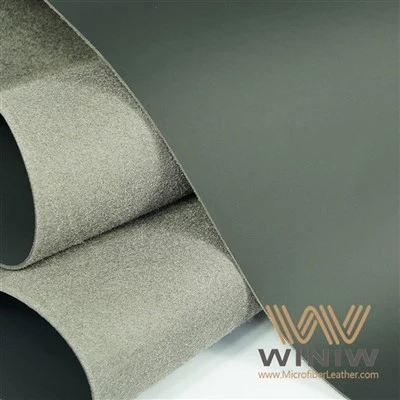
PU leather and PVC leather are two of the most commonly used synthetic leather materials in the modern leather industry. While they often look and feel similar, they differ in composition, performance, and application. This guide will explore the key differences between PU and PVC leather to help you choose the most suitable material for your needs in 2025.
PU vs PVC: What Are They Made Of?
Though often confused, PU and PVC leather are made from different synthetic components and processes.
● PU Leather is typically made by coating a fabric base (usually polyester or cotton) with a flexible polyurethane layer. It is soft, breathable, and more environmentally friendly during production.
● PVC Leather involves coating the base fabric with polyvinyl chloride and adding plasticizers for flexibility. This results in a thicker, more water-resistant material but with less breathability.
Both materials may include additional treatments such as embossing, foaming, or lamination to enhance texture and durability.


Key Differences Between PU and PVC Leather
|
Feature |
PU Leather |
PVC Leather |
|
Surface Feel |
Softer, more like real leather |
Firmer and more plastic-like |
|
Breathability |
More breathable |
Less breathable |
|
Flexibility |
More flexible |
Stiffer, especially in cold temps |
|
Water Resistance |
Moderate |
High |
|
Durability |
Good for light to moderate use |
More durable for rugged use |
|
Production Eco Impact |
Lower (less chemical use) |
Higher (chlorine & plasticizers) |
|
Common Uses |
Bags, jackets, furniture |
Car seats, belts, work surfaces |
How to Choose Between PU and PVC Leather
Choosing between PU vs PVC synthetic leather requires evaluating several factors:
1. Application Purpose
If your product requires a soft, premium feel (e.g., fashion accessories, electronics housings, or indoor furniture), PU leather is generally a better choice. However, if you value durability and moisture resistance (e.g., automotive interiors, outdoor equipment, or industrial furniture), PVC leather is more appropriate.
2. Budget Considerations
Both are more affordable than genuine leather, but PVC leather is typically more cost-effective. Its raw materials are cheaper and the production process is simpler.
3. Environmental and Regulatory Compliance
If your target markets include countries with strict environmental regulations (such as the European Union or California), PU leather is often a safer choice. It uses fewer harmful chemicals and more readily meets standards like REACH and California Proposition 65. By contrast, PVC leather contains chlorine and plasticizers, which may require more rigorous compliance testing.
4. Durability and Abrasion Resistance
PVC synthetic leather has a tougher outer surface, making it ideal for high-contact environments like commercial seating and vehicle interiors. It also offers strong resistance to water, oil, and cleaning agents, which contributes to long-term performance in harsh conditions. While PU leather is durable and visually appealing, it may not last as long in rough environments.
Why Choose WINIW Synthetic Leather?
WINIW is a trusted synthetic leather manufacturer, offering both PU and PVC leather materials for a wide range of industries.
We provide:
• A rich selection of textures, colors, and finishes.
• Custom manufacturing to meet OEM/ODM requirements.
• Materials that comply with international standards such as REACH SVHC, GRS, and EN ISO 20345.
• Free samples to help you evaluate the best material for your needs.
Conclusion
So, which is better: PU leather or PVC leather? The answer depends on your specific needs.
PU leather is better suited for applications requiring comfort, aesthetic appeal, and environmental friendliness.
PVC leather is preferred in settings that demand durability, moisture resistance, and cost efficiency.
If you're still unsure about the best synthetic leather option for your project, feel free to contact WINIW. Our experts can guide you in selecting the ideal material and provide tailored solutions.