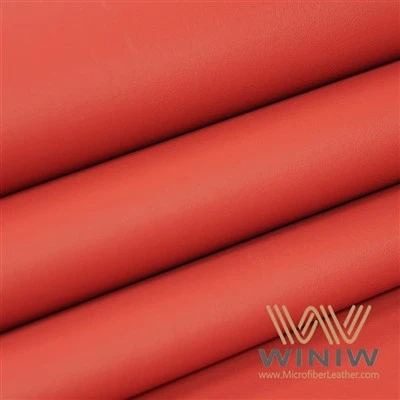
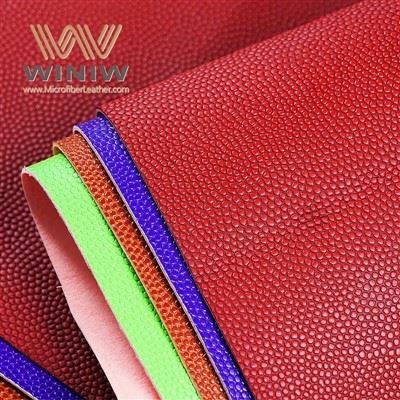
Supply chain traceability connects finished microfiber leather with the materials and production batches behind it. Clear batch records support product consistency and make quality differences easier to investigate.
How Microfiber Leather Traceability Works
Microfiber leather passes through several material and production stages. Traceability keeps the relevant raw-material, production and finished-product references connected.
Materials That Influence Microfiber Leather Quality
The exact construction varies by product, but microfiber synthetic leather commonly uses a microfiber base, polyurethane and surface-finishing materials.
| Material | Function | Possible Influence |
|---|---|---|
| Microfiber Base | Forms the fibrous structure | Thickness, feel and mechanical properties |
| Polyurethane | Used in impregnation, coating or surface construction | Flexibility, adhesion and surface behavior |
| Pigments & Finishes | Create color, gloss, grain and touch | Shade and appearance consistency |
| Additional Layers | Used in selected product constructions | Handling and end-use performance |
Why Batch Traceability Matters
Color Consistency
Batch references help connect shade differences with pigments, finishes and production runs.
Surface Appearance
Grain, gloss and touch can be compared with the materials used in each batch.
Thickness & Feel
Changes in base material or processing can influence thickness and flexibility.
Quality Investigation
Batch information gives a clearer starting point when a product difference appears.
Useful Traceability Records
| Record | Information |
|---|---|
| Raw Material Reference | Material type, supplier and batch identification |
| Production Batch | Manufacturing run linked to the relevant inputs |
| Product Specification | Construction, thickness, color, grain and finish |
| Inspection Record | Quality information related to the production batch |
| Finished Roll Reference | Identification linking delivered material to its batch history |
Traceability in Repeated Production
Traceability becomes especially useful when the same material is produced across multiple batches for footwear, automotive interiors, furniture, bags or other products.
Footwear
Consistent thickness, color and surface finish support repeat production.
Automotive
Batch information supports consistency across seats and trim components.
Furniture
Color, grain and surface feel are important across large upholstered areas.
Bags & Accessories
Material references help maintain a consistent appearance across production runs.
Sports Products
Repeatable material construction supports consistent finished products.
Custom Materials
Original material references help reproduce custom color, grain and construction.
Frequently Asked Questions
It is the connection between finished material and the relevant raw-material and production-batch records.
It helps connect product differences with the materials and production records related to a specific manufacturing run.
Depending on the construction, records may include microfiber base material, polyurethane, pigments, finishes and additional layers.
No. Traceability supports quality control, while product quality still depends on manufacturing and inspection.
Explore Microfiber Leather Quality Control
Learn more about material checks, production control and finished-product inspection.
View Quality Control