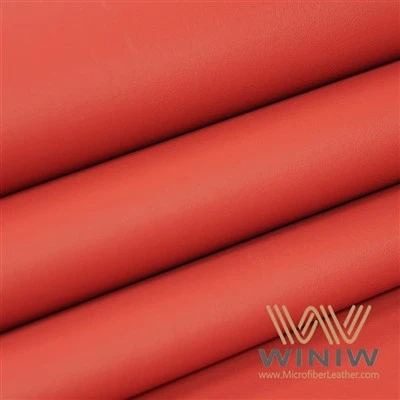
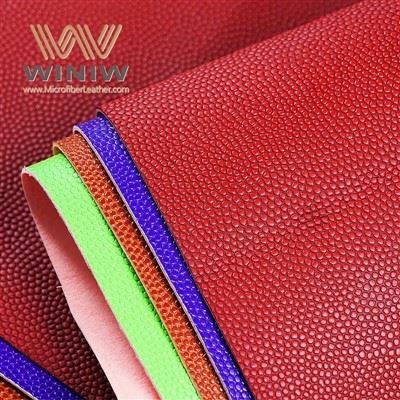
Extended Producer Responsibility is changing how footwear and textile products are managed after use. For brands using faux leather and other synthetic materials, this makes durability, material construction and end-of-life options more important during product development.
What Is Extended Producer Responsibility?
Extended Producer Responsibility, or EPR, is a system that makes producers more responsible for products after they become waste.
For covered textile and footwear products, EPR can include the costs of collection, sorting, preparation for reuse, recycling and other waste-management activities.
Collection
Used products are collected separately from general household waste.
Reuse
Products that remain usable can be sorted for a second life.
Recycling
Products that cannot be reused may move into suitable recycling or recovery routes.
How EPR Affects Footwear and Textile Products
EU rules now include a common framework for Extended Producer Responsibility covering specified textile, textile-related and footwear products.
The company placing a covered product on a market may have responsibilities connected with registration, collection and end-of-life management. The exact system can vary by country.
| Area | What It Means for Finished Products |
|---|---|
| Product Scope | Specified textile, textile-related and footwear categories are covered |
| Producer Responsibility | Producers may contribute to the cost of managing products after use |
| Collection | Used products are directed into separate collection systems |
| Reuse | Suitable products can be prepared for reuse before recycling |
| Recycling | End-of-life products can enter available recycling or recovery routes |
What EPR Means for Faux Leather Materials
Synthetic leather rolls are upstream materials rather than finished footwear or textile products. Their importance under EPR comes from the way they become part of the final product.
A shoe, bag or upholstered component may combine synthetic leather with foam, textile, adhesive, reinforcement and other materials. These combinations affect durability, repair and end-of-life treatment.
Why Material Construction Matters
Faux leather is usually made from several layers. The structure can vary by product type and application.
Backing
Textile or microfiber backings influence strength, flexibility and overall structure.
Polymer Layer
PU or other polymer systems influence surface feel, flexibility and wear performance.
Surface Finish
Grain, coating and finishing treatments influence appearance and surface durability.
Additional Layers
Foams, adhesives and reinforcement can add complexity to the finished product.
Durability and Product Life
A longer useful life can reduce the need for early replacement. This makes durability an important part of material selection for footwear, bags and other high-use products.
Abrasion Resistance
Helps the surface withstand repeated rubbing and contact.
Flexing Resistance
Important for areas that bend repeatedly during normal use.
Tear Strength
Relevant around seams, cut edges and stressed components.
Surface Stability
Color, grain and coating condition influence appearance over time.
Recycling Depends on the Complete Product
There is no single recycling route for every faux leather product. Finished goods can contain several polymers, textiles, foams, adhesives and reinforcement materials.
Products with fewer material combinations or easier-to-separate components may be simpler to process at end of life, although available recycling routes also depend on local infrastructure.
| Design Factor | Why It Matters |
|---|---|
| Material Mix | More material types can make separation more difficult |
| Adhesives | Permanent bonding can limit component separation |
| Layer Construction | Multi-layer structures may need specialized treatment |
| Replaceable Parts | Repairable components can help extend product life |
| Material Information | Clear composition information can support sorting and recycling |
EPR Is Not the Same as Biodegradability
Extended Producer Responsibility, recycling and biodegradability describe different issues.
Conventional PU, PVC and microfiber synthetic leather are not automatically biodegradable or compostable. These properties depend on the specific material formulation and product design.
For most synthetic leather applications, durability, material efficiency, reuse and suitable recycling routes are more practical considerations.
Material Factors for Footwear Development
Footwear combines several materials and components, so performance and construction need to be considered together.
Upper Materials
Flexing, abrasion, tear strength and surface durability influence service life.
Lining Materials
Softness, wear and moisture behavior affect comfort during repeated use.
Reinforcement Areas
Strength is important around eyelets, seams, toes and other stressed areas.
Material Combinations
Uppers, linings, foams and soles together determine the complexity of the finished shoe.
Frequently Asked Questions
EPR gives producers of covered footwear products more responsibility for collection and end-of-life management.
EPR mainly applies to covered finished products. Synthetic leather is an upstream material used within those products.
Conventional microfiber leather is not automatically biodegradable. Biodegradability depends on the specific material construction and formulation.
Durable materials can help extend product life and reduce the need for early replacement.
The EU framework sets common requirements, while individual Member States operate their own national systems.
Explore Synthetic Leather Materials for Footwear
WINIW supplies microfiber leather, microfiber suede and PU leather for footwear and other product applications.
Contact WINIW