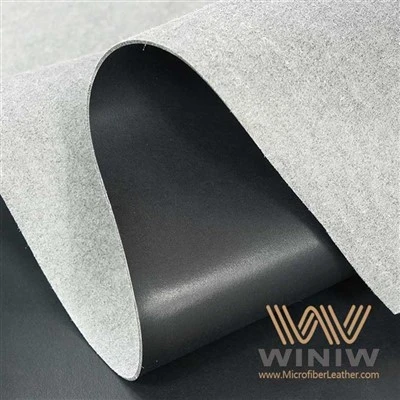
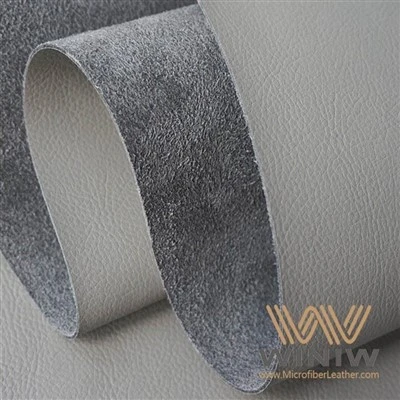
Microfiber suede achieves high water vapor permeability (WVP) through an engineered microporous sea-island architecture, actively transmitting sweat to prevent foot maceration and odor. Unlike standard solid PU linings, this synthetic substrate replicates the interconnected pore structure of natural leather, consistently recording a WVP exceeding 2.5 mg/(cm²·h) under EN ISO 20344 testing.
The Microporous Mechanism: Sea-Island Architecture
Standard synthetic PU relies on flat knitted substrates coated with an impermeable liquid resin, trapping human sweat (lactic acid and moisture) and accelerating bacterial accumulation. Engineering-grade Microfiber suede shoe lining eliminates this structural flaw via the alkaline reduction of a sea-island matrix. When the "sea" polymer is dissolved during production, it leaves behind millions of microscopic voids (micropores) between the ultra-fine polyethylene terephthalate (PET) "island" fibers (≤ 0.02 denier).
This three-dimensional microporous matrix allows gaseous water vapor to pass through the material while simultaneously blocking larger liquid water droplets. The volumetric integration of DMF-free polyether polyurethane maintains this porous network even after 100,000 Martindale rubs (EN ISO 12947-2), ensuring long-term thermal regulation inside the footwear cavity.
Procurement & QA Notice: Validating moisture management for a new athletic or safety footwear line? Request a physical sample roll and our complete laboratory Technical Data Sheet (TDS).
Request Physical Swatches & Lab TDS Report for Breathable faux leather lining
Water Vapor Permeability (WVP) Testing Data
Footwear R&D engineers must quantify breathability using strict laboratory metrics rather than subjective assessment. The industry standard protocol for upper and lining materials is EN ISO 20344, measuring the exact mass of water vapor transmitted through the substrate over a specific time and surface area.
The following matrix compares the moisture permeability of commercial lining substrates against EN ISO safety minimums.
| Substrate Material | Water Vapor Permeability (WVP) | Water Vapor Coefficient (WVC) | Structural Mechanism |
| Standard PU Lining (Knitted Base) | < 0.5 mg/(cm²·h) | < 5 mg/cm² | Impermeable solid coating |
| Natural Pig Suede Lining | 2.0 - 3.0 mg/(cm²·h) | 20 - 25 mg/cm² | Natural collagen fiber pores |
| Premium Microfiber Suede | ≥ 2.5 mg/(cm²·h) | ≥ 25 mg/cm² | Engineered microporous matrix |
| Minimum EN ISO 20345 Requirement | ≥ 0.8 mg/(cm²·h) | ≥ 15 mg/cm² | Baseline safety footwear standard |
By achieving a WVP of ≥ 2.5 mg/(cm²·h), the micro suede lining rapidly dissipates the average 15-20ml of sweat produced by a human foot per day during athletic exertion.
Furthermore, specifying polyether-based resins ensures strict hydrolysis resistance (> 5 Weeks, 70°C, 95% RH). This exact chemical formulation guarantees that continuous exposure to acidic sweat vapor will not chemically degrade the lining's internal bonds, maintaining an ISO 2411 peeling strength of ≥ 30 N/3cm throughout the product's operational lifecycle.
Initiate Custom Thickness Engineering & Request Wholesale Quotation
Frequently Asked Questions (FAQ)
Q: How does the sea-island structure create breathable faux leather lining?
A: During manufacturing, an alkaline reduction process dissolves the "sea" polymer component, leaving microscopic voids between the remaining ultra-fine "island" fibers. This creates a highly dense, interconnected microporous network that transmits water vapor while maintaining high mechanical tear strength.
Q: What is the EN ISO 20344 requirement for shoe lining breathability?
A: Under EN ISO 20344 protocols, footwear lining materials must achieve a minimum Water Vapor Permeability (WVP) of 0.8 mg/(cm²·h). Engineering-grade microfiber suede significantly exceeds this baseline, consistently recording WVP values ≥ 2.5 mg/(cm²·h) to support active athletic use.
Q: Does sweat cause peeling in microfiber suede shoe lining?
A: No. Premium microfiber suede utilizes DMF-free, polyether-based polyurethane systems. Unlike standard polyester PU, polyether chains resist chemical cleavage from sweat and moisture, guaranteeing > 5 weeks of hydrolysis resistance (70°C, 95% RH) and preventing structural delamination.