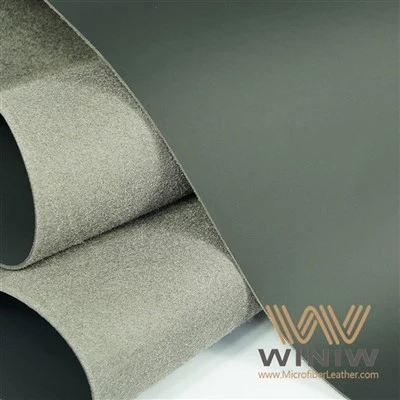
Basketball synthetic leather is an engineered composite utilizing a 3D sea-island polyethylene terephthalate (PET) matrix coagulated with polyether polyurethane. This specific architecture physically replicates the tactile coefficient of friction of genuine cowhide while mathematically exceeding natural hide durability, acting as the mandatory outer cover for FIBA-compliant indoor and outdoor sporting goods.
Surface Friction and Tactile Grip Mechanics
High-performance basketballs and volleyballs require absolute moisture management and tactile friction to prevent slippage during dynamic handling. Standard polyvinyl chloride (PVC) covers lack microporosity, causing sweat to pool on the surface and drastically reducing the kinetic coefficient of friction.
By utilizing a DMF-free water-borne polyurethane, WINIW International Co., Limited creates an interconnected microporous network. This structure physically absorbs surface moisture within milliseconds. The resulting sporting goods faux leather maintains a wet static coefficient of friction (μs) of ≥ 0.65, ensuring exceptional tactile control. To evaluate the exact surface embossing and wet-grip metrics for your tournament-grade equipment, consult our technical specifications directly on our Balls application hub.
| Physical Property | Standard PVC Cover | Genuine Cowhide | WINIW Microfiber Cover | Testing Standard |
| Wet Coefficient of Friction | < 0.30 (Slippery) | ≥ 0.60 | ≥ 0.65 | ASTM D1894 |
| Abrasion Resistance | 10,000 Rubs | 30,000 Rubs | > 100,000 Rubs | EN ISO 12947-2 |
| Peeling Strength | ≤ 15 N/3cm | Solid matrix | ≥ 30 N/3cm | ISO 2411 |
| Tensile Impact Rebound | Low (Deformation) | Moderate | High (Elastic PU) | EN ISO 3376 |
| Hydrolysis Resistance | N/A | Fails (Rot) | > 5 Weeks (70°C, 95% RH) | SATRA TM344 |
Impact Rebound and Concrete Abrasion Resistance
Repeated kinetic impact against concrete and hardwood courts induces severe mechanical stress on the outer panels. The substrate must absorb kinetic energy without suffering from Z-axis compression or structural delamination. Our engineered 3D sea-island PET core functions as an elastic suspension matrix, translating impact force into pure kinetic rebound while maintaining absolute dimensional stability.
For outdoor court applications, maintaining structural limits against rough concrete requires extreme wear tolerance. The specific aliphatic polyurethane topcoat engineered for our microfiber grip surfaces withstands > 100,000 Martindale abrasion cycles (EN ISO 12947-2) without polymer crazing. Because the core eliminates chemical adhesives entirely via wet coagulation, it consistently guarantees an ISO 2411 peeling strength of ≥ 30 N/3cm, physically preventing panel separation upon high-velocity impacts.
Procurement & QA Notice: Prevent panel delamination and surface wear in your next sports equipment line. Submit your physical targets to procure our exact basketball synthetic leather formulations and request your physical lab-dips directly from our Balls division today.
Frequently Asked Questions (FAQ)
Q: How does basketball synthetic leather provide better grip than PVC?
A: It utilizes a 3D microporous polyurethane structure that physically absorbs sweat. This maintains a wet coefficient of friction of ≥ 0.65 (ASTM D1894), whereas non-porous PVC allows moisture to pool, drastically reducing tactile control during gameplay.
Q: What prevents sporting goods faux leather panels from peeling?
A: We utilize a wet coagulation process that directly impregnates liquid polyurethane into the sea-island PET core. This monolithic structure guarantees an ISO 2411 peeling strength of ≥ 30 N/3cm, physically preventing panel separation under severe kinetic impact.
Q: Does microfiber grip material withstand outdoor concrete courts?
A: Yes. The material is formulated with highly cross-linked aliphatic polyurethane. It strictly passes > 100,000 Martindale abrasion rubs (EN ISO 12947-2), preventing surface crazing and maintaining structural integrity against harsh concrete friction.