


Silicone leather is a remarkable material that has gained significant popularity in various industries due to its unique properties and versatile applications. As a silicone leather supplier, I often encounter questions from customers about its electrical conductivity. In this blog post, I will delve into the topic of the electrical conductivity of silicone leather, exploring its characteristics, factors influencing it, and its implications in different applications.
Understanding Electrical Conductivity
Before we discuss the electrical conductivity of silicone leather, it's essential to understand what electrical conductivity is. Electrical conductivity is a measure of a material's ability to conduct an electric current. It is the reciprocal of electrical resistivity and is typically measured in siemens per meter (S/m). Materials with high electrical conductivity, such as metals, allow electric charges to move freely, while materials with low electrical conductivity, like insulators, impede the flow of electric charges.
Electrical Conductivity of Silicone Leather
Silicone leather is generally considered an electrical insulator. This means that it has a very low electrical conductivity and does not allow electric current to pass through it easily. The primary reason for this is the chemical structure of silicone. Silicone is a polymer composed of silicon, oxygen, carbon, and hydrogen atoms. The silicon-oxygen backbone of the polymer is highly stable and does not readily release electrons, which are necessary for the conduction of electricity.
The low electrical conductivity of silicone leather makes it an ideal material for applications where electrical insulation is required. For example, in the electronics industry, silicone leather can be used as a protective covering for electronic components to prevent electrical short circuits and ensure the safe operation of devices. It can also be used in electrical wiring and cables to provide insulation and prevent the leakage of electric current.
Factors Influencing the Electrical Conductivity of Silicone Leather
While silicone leather is inherently an insulator, its electrical conductivity can be influenced by several factors. These factors include:
- Additives: The addition of certain additives to silicone leather can alter its electrical conductivity. For example, conductive fillers such as carbon black, graphite, or metal particles can be added to silicone leather to increase its electrical conductivity. These fillers provide a pathway for the flow of electric charges, allowing the material to conduct electricity.
- Temperature: The electrical conductivity of silicone leather can also be affected by temperature. Generally, the electrical conductivity of most materials increases with increasing temperature. However, the effect of temperature on the electrical conductivity of silicone leather is relatively small compared to other materials. This is because the chemical structure of silicone is highly stable and does not change significantly with temperature.
- Moisture: Moisture can also have an impact on the electrical conductivity of silicone leather. When silicone leather is exposed to moisture, water molecules can penetrate the material and form a conductive layer on its surface. This can increase the electrical conductivity of the material, especially in the presence of ions in the water.
Applications of Conductive Silicone Leather
In some applications, it may be desirable to have silicone leather with a higher electrical conductivity. Conductive silicone leather can be used in a variety of applications, including:
- Antistatic Applications: Conductive silicone leather can be used in applications where static electricity needs to be dissipated. For example, in the automotive industry, conductive silicone leather can be used as a seat cover to prevent the buildup of static electricity, which can cause discomfort to passengers and damage electronic components in the vehicle.
- Electromagnetic Shielding: Conductive silicone leather can also be used for electromagnetic shielding. Electromagnetic shielding is the process of reducing the electromagnetic field in a space by blocking the passage of electromagnetic waves. Conductive silicone leather can be used to create a shield around electronic devices to protect them from electromagnetic interference.
- Touchscreen Technology: Conductive silicone leather can be used in touchscreen technology. Touchscreens work by detecting the electrical conductivity of the human finger. Conductive silicone leather can be used to create a touch-sensitive surface that can be used in a variety of applications, such as touchscreen displays, keyboards, and control panels.
Our Silicone Leather Products
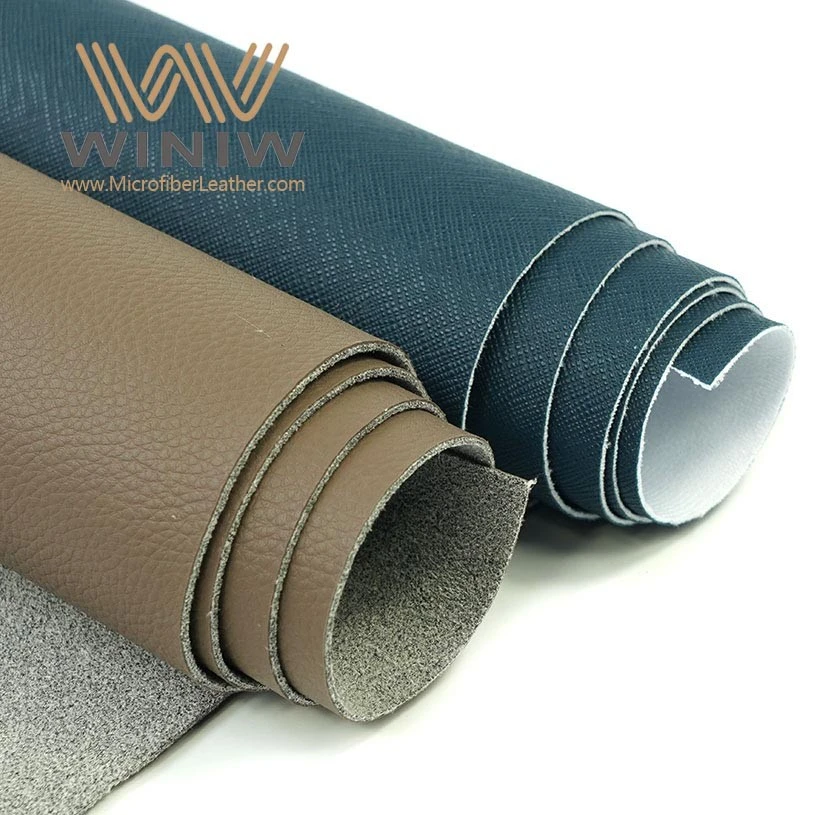
As a silicone leather supplier, we offer a wide range of silicone leather products with different electrical conductivity properties to meet the diverse needs of our customers. Our products include:
- Highly Durable Faux Vegan Silicone Leather Fabric for Upholstery: This product is a highly durable and eco-friendly alternative to traditional leather. It has excellent electrical insulation properties and is suitable for a variety of upholstery applications.
- Stain-resistant Vegan Faux Silicone Leather Fabric for Jewelry Box: This product is a stain-resistant and water-repellent silicone leather fabric that is ideal for use in jewelry boxes. It has low electrical conductivity and provides a protective barrier for jewelry.
- Light-resistant Synthetic Silicone Leather Fabric for Bags: This product is a light-resistant and fade-resistant silicone leather fabric that is suitable for use in bags. It has good electrical insulation properties and is durable and long-lasting.
Conclusion
In conclusion, silicone leather is generally an electrical insulator due to its chemical structure. However, its electrical conductivity can be influenced by factors such as additives, temperature, and moisture. Conductive silicone leather can be used in a variety of applications where electrical conductivity is required, such as antistatic applications, electromagnetic shielding, and touchscreen technology. As a silicone leather supplier, we offer a wide range of silicone leather products with different electrical conductivity properties to meet the diverse needs of our customers.

If you are interested in learning more about our silicone leather products or have any questions about the electrical conductivity of silicone leather, please feel free to contact us. We would be happy to discuss your specific requirements and provide you with the best solution for your application.
References
- "Silicone Rubber: Properties and Applications." Encyclopedia Britannica.
- "Electrical Conductivity of Polymers." Polymer Science Learning Center.
- "Conductive Silicone Elastomers." Dow Corning Corporation.


