


Silicone leather has gained significant popularity in various industries due to its remarkable properties, such as durability, flexibility, and eco - friendliness. As a silicone leather supplier, I am often asked about its chemical composition. In this blog, I will delve into the details of what makes up silicone leather.
The Basics of Silicone
Silicone is a synthetic polymer composed of silicon, oxygen, carbon, and hydrogen. The basic building block of silicone is the siloxane bond, which consists of silicon atoms connected to oxygen atoms in a repeating pattern. The general formula for a siloxane chain is (-(SiR₂O)-), where (R) represents various organic groups.
Silicon ((Si)) is the key element in silicone. It is the second - most abundant element in the Earth's crust after oxygen. Silicon has unique chemical properties that allow it to form strong and stable bonds with other elements, especially oxygen. Oxygen ((O)) in the siloxane bond provides stability and flexibility to the silicone structure. The carbon ((C)) and hydrogen ((H)) atoms in the organic groups ((R)) attached to the silicon atoms can be adjusted to modify the properties of the silicone.
Components of Silicone Leather
1. Silicone Polymer Matrix
The core of silicone leather is the silicone polymer matrix. This matrix is formed by cross - linking siloxane chains. The cross - linking process is crucial as it determines the mechanical properties of the silicone leather. When the siloxane chains are cross - linked, they form a three - dimensional network structure.
There are different types of cross - linking methods. One common method is through the use of catalysts. For example, platinum - based catalysts can be used to initiate the cross - linking reaction between vinyl - terminated siloxanes and hydrogen - containing siloxanes. This results in a stable and durable polymer network. The density and type of cross - linking can be controlled to achieve different levels of hardness, flexibility, and tear resistance in the silicone leather.
2. Filler Materials
To enhance the mechanical properties and reduce costs, filler materials are often added to the silicone polymer matrix. Common filler materials include silica, calcium carbonate, and titanium dioxide.
Silica ((SiO₂)) is one of the most widely used fillers in silicone leather. It can improve the tensile strength, tear strength, and abrasion resistance of the material. Silica particles can be dispersed within the silicone matrix, and their interaction with the siloxane chains helps to reinforce the overall structure. The particle size and surface treatment of silica can affect its performance in the silicone leather.
Calcium carbonate ((CaCO₃)) is another filler that is used due to its low cost. It can increase the stiffness and hardness of the silicone leather. However, excessive use of calcium carbonate may reduce the flexibility and some of the high - performance properties of the material.
Titanium dioxide ((TiO₂)) is mainly used as a pigment and UV stabilizer. It can provide the silicone leather with good color stability and protection against UV radiation. This is particularly important for applications where the silicone leather is exposed to sunlight, such as in outdoor bags.
3. Additives
In addition to filler materials, various additives are incorporated into silicone leather to impart specific properties.
- Plasticizers: These are added to improve the flexibility and softness of the silicone leather. They work by reducing the intermolecular forces between the siloxane chains in the polymer matrix. Some common plasticizers for silicone include low - molecular - weight silicones. By adjusting the amount of plasticizer, the feel and drapeability of the silicone leather can be fine - tuned.
- Flame Retardants: For applications where fire safety is a concern, flame retardants are added. These additives can inhibit the spread of fire by releasing non - flammable gases or forming a protective char layer on the surface of the silicone leather when exposed to high temperatures. Examples of flame retardants used in silicone leather include phosphorus - based and halogen - based compounds.
- Antioxidants: Silicone leather can be susceptible to oxidation over time, especially when exposed to heat and oxygen. Antioxidants are used to prevent or slow down the oxidation process. They work by scavenging free radicals that are generated during oxidation reactions. This helps to maintain the mechanical properties and appearance of the silicone leather over its lifespan.
Applications of Silicone Leather and Its Chemical Composition Benefits
The unique chemical composition of silicone leather makes it suitable for a wide range of applications.
Bags
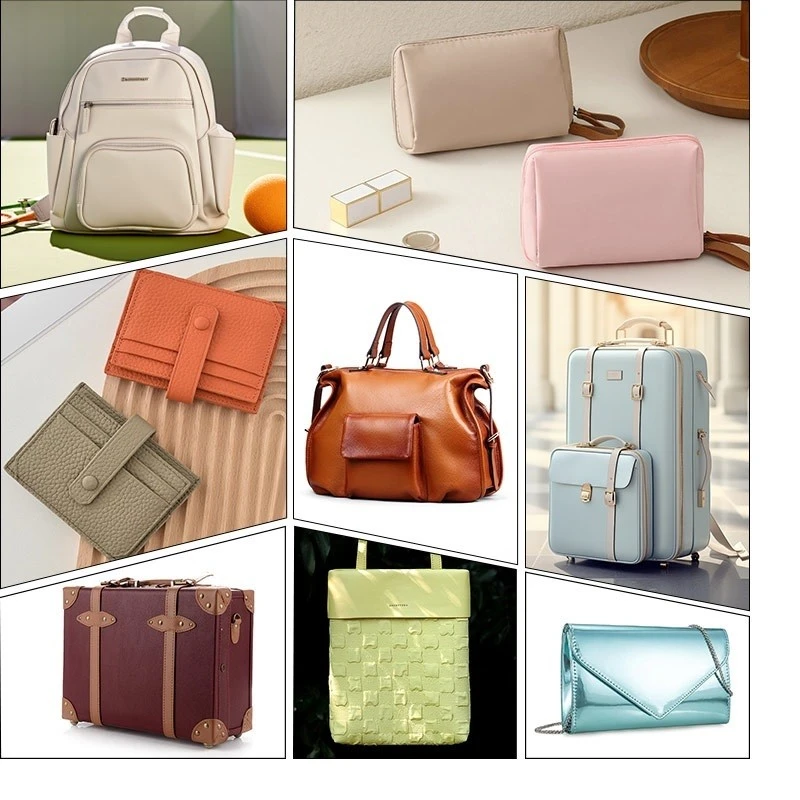
Silicone leather is an excellent choice for bags. The high - quality silicone polymer matrix provides good strength and durability, ensuring that the bags can withstand daily use and handling. The addition of fillers like silica enhances the abrasion resistance, making the bags more resistant to scratches and wear. The use of titanium dioxide as a pigment and UV stabilizer protects the color of the bags from fading when exposed to sunlight. You can find our High - quality Vegan Silicone Faux Leather Fabric for Bags which is a great option for bag manufacturers looking for a high - performance material.
Jewelry Display
When it comes to jewelry display, the easy - maintaining properties of silicone leather are highly valued. The chemical composition of silicone leather, with its non - porous surface and excellent resistance to stains, makes it easy to clean. The polymer matrix and filler materials ensure that the leather has a smooth and consistent surface, which is ideal for showcasing jewelry. Our Easy - maintaining Silicone Faux Leather Material for Jewelry Display is designed to meet the specific requirements of the jewelry display industry.
Outdoor Applications
For outdoor applications, the light - resistant properties of silicone leather are crucial. The presence of UV stabilizers like titanium dioxide in the chemical composition helps the leather to resist the damaging effects of sunlight. The cross - linked polymer matrix and filler materials also contribute to the overall durability of the leather in harsh outdoor environments. Check out our Light - resistant Synthetic Silicone Leather Fabric for Bags for outdoor - use bags.
Conclusion and Call to Action
In conclusion, the chemical composition of silicone leather is a carefully engineered combination of silicone polymers, filler materials, and additives. This unique composition gives silicone leather its outstanding properties, such as durability, flexibility, and resistance to various environmental factors. As a silicone leather supplier, I am committed to providing high - quality products that meet the diverse needs of different industries.
If you are interested in our silicone leather products for your specific applications, whether it's for bags, jewelry display, or outdoor items, I encourage you to reach out for a procurement discussion. We can provide samples, technical specifications, and pricing information to help you make an informed decision.
References
- Mark, J. E. (Ed.). (2007). The Chemistry of Silicones. John Wiley & Sons.
- Milewski, J. V., & Callahan, S. T. (1993). Handbook of Fillers and Reinforcements for Plastics. Van Nostrand Reinhold.


