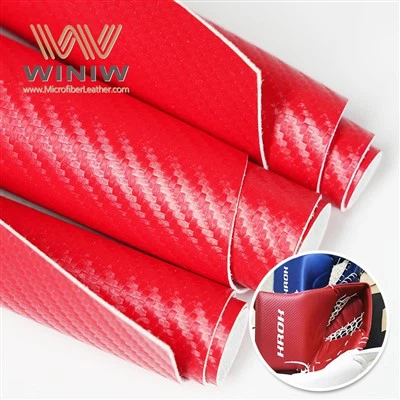
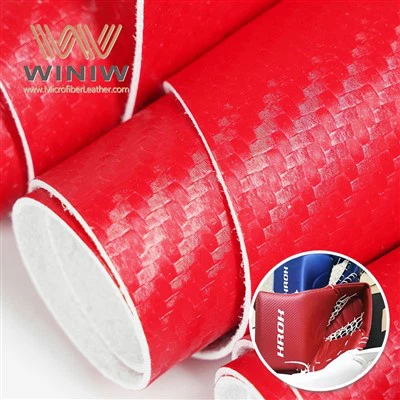
High-Durability PVC Leather for Furniture Upholstery
This PVC synthetic leather is intended for upholstered furniture components where surface wear, sewing, edge wrapping, cleaning and repeat appearance need to be controlled together. The current product information lists 1.0 mm and 1.2 mm thickness options with a woven backing.
- Sofas and modular seating
- Restaurant booths and lounge seating
- Office and reception chairs
- Headboards and upholstered panels
- Custom grain and color programs

Qualify the Failure Modes That Matter on Finished Furniture
High-use upholstery is affected by more than flat-surface abrasion. Furniture construction introduces seams, foam tension, tight radii, cleaners, body oils, humidity and repeated flexing.
Surface Wear
Define the abrasion method and endpoint, then inspect coating loss, gloss change, grain flattening and visible color change.
Seam Stress
Evaluate tear propagation and needle-hole growth with the production thread, needle, stitch density and seam allowance.
Layer Adhesion
Check whether coating, backing and any laminate remain stable after flexing, heat, humidity and cleaner exposure.
Edge Wrapping
Wrap the tightest furniture radius and inspect for whitening, cracking, delamination or unacceptable grain distortion.
Cleaning Exposure
Use the actual cleaner concentration, dwell time and repeated cleaning cycle required by the project.
Shade Consistency
Approve master color, gloss and grain under controlled lighting before production and define lot-separation rules.
Current Product Information and Buyer Confirmation
The values below reflect information currently associated with this article. Test-dependent values and compliance references should be checked against the exact proposed construction before they are used as contractual requirements.
| Parameter | Current Product Information | Buyer Confirmation |
|---|---|---|
| Construction | PVC surface with woven backing | Confirm coating, backing, adhesive and finish for the exact article |
| Thickness | 1.0 mm / 1.2 mm | Confirm nominal thickness, tolerance and measuring method |
| Roll Width | 137 cm listed | Confirm total width, usable width and edge allowance |
| Abrasion | Current information lists >100,000 Martindale cycles | Confirm method, pressure, abradant, conditioning, endpoint and sample identity |
| Tear Performance | Current information lists ≥40 N | Confirm method, specimen direction, conditioning and gauge |
| Cold-Flex Reference | Current information references -20°C performance | Confirm method, conditioning time, cycles and pass/fail criteria |
| Flammability | CAL TB 117-2013 and BS 5852 references are currently listed | Confirm test scope, ignition source, specimen build, laboratory and report date |
| Chemical / Restricted Substances | Non-phthalate and REACH-related claims are currently referenced | Confirm tested sample, substance scope, limits, report date and target market |
| Vegan Claim | Faux / vegan positioning is associated with the product | Confirm declaration coverage for coating, backing, adhesive, pigments and finish |
| MOQ / Lead Time | Project-specific | Confirm color, grain, thickness, quantity, packing and delivery requirements |
Match the Material to the Furniture Component
Seat Decks
Prioritize repeated flexing, surface wear, seam security, cleaner exposure and contact with body oils.
Backrests
Check recovery after stretching over foam and confirm that grain distortion remains acceptable.
Arms & Front Rails
Inspect tight wrapped edges for whitening, cracking, surface damage and adhesion loss.
Loose Cushions
Review sewing, piping, zipper assembly and repeated compression in the actual cushion build.

Validate the Material in the Finished Furniture Build
Furniture factories should evaluate the material with the intended foam, hardware, seams, cleaner program and component geometry before scaling to bulk production.
State furniture type, component, traffic level, climate, cleaner and market.
Select thickness, backing, grain, color and finish for the prototype.
Cut, sew, pipe, staple and wrap using production foam and equipment.
Run the required tests and lock the retained sample and written acceptance limits.

Review grain uniformity, surface finish and edge behavior on the production construction.

Different furniture types create different seam, foam, cleaning and flex requirements.

Compare production color and surface appearance with the signed master reference.
Furniture Environment Changes the Test Package
Residential Furniture
Prioritize appearance, tactile feel, normal household cleaning, seam appearance and compatibility with common household contact conditions.
Hospitality Seating
Define traffic level, food and beverage exposure, cleaning frequency, project fire requirements and repair expectations.
Office Seating
Check repeated edge contact, dye transfer, surface contamination and compatibility with the facility maintenance program.
Motion Seating
Cycle tight folds and pinch points on the finished mechanism to expose repeated flex and surface-to-surface rubbing.
Contract Furniture
State the jurisdiction, furniture category and required fire-test scope before approving a compliance claim.
Custom Collections
Control master color, illuminant, acceptable shade range, grain, gloss and repeat lot procedures.
Custom Color, Grain and Construction Development
| Buyer Input | Why It Matters | Approval Output |
|---|---|---|
| Physical color reference | Digital values alone may not control substrate, grain and gloss effects | Signed color sample or master swatch |
| Grain, gloss and tactile reference | Embossing and finishing affect appearance, friction and edge forming | Approved surface standard |
| Thickness and backing | Construction affects drape, seam behavior, recovery and wrapping | Controlled construction specification |
| Furniture drawing or component | Seams, radii and moving joints create different stresses | Upholstered prototype |
| Cleaner and maintenance plan | Cleaner chemistry, concentration and repetition can change the surface | Cleaning compatibility record |
| Quantity, destination and packing | These variables affect development feasibility and commercial terms | Written quotation and packing plan |
Verify Fire, Chemical and Vegan Claims by Scope
Material-level evidence and finished-furniture compliance are not the same thing. The buyer should confirm which requirement applies to the exact furniture component and market.
Flammability
Confirm the exact test method, ignition source, specimen construction, laboratory, report date and whether the result applies to cover material or a finished furniture assembly.
Restricted Substances
Confirm the exact PVC construction, tested sample, substance list, analytical limits, report date and destination-market requirement.
Vegan / Animal-Free Scope
Request documentation that covers the complete offered construction, including coating, backing, adhesive, pigments and finishing materials where applicable.
High-Durability PVC Upholstery Leather FAQs
What makes PVC leather suitable for high-use furniture?
Suitability depends on the complete construction, including surface wear, backing strength, layer adhesion, seam behavior, flexing and cleaner compatibility. These factors should be evaluated on the intended furniture component rather than from one abrasion number alone.
Which thickness and width options are currently listed?
The current product information lists 1.0 mm and 1.2 mm thickness options and a 137 cm roll width. Confirm nominal thickness, tolerance and usable width on the exact offered construction.
Does more than 100,000 Martindale cycles guarantee furniture life?
No. The current product information lists an abrasion result above 100,000 Martindale cycles, but the result should be interpreted with its method, abradant, pressure and endpoint. Furniture life can also be limited by seams, flexing, foam tension, cleaners, body oils and maintenance.
Does the listed tear value prove seam durability?
No. Tear strength and finished seam performance are different evaluations. Test the material using the production needle, thread, stitch length, seam allowance and furniture component geometry.
How should furniture fire-test claims be checked?
Match the evidence to the exact construction and check the method, ignition source, specimen build, laboratory, report date and pass criteria. Also confirm whether the project requires cover-material testing or finished-furniture compliance.
How should the vegan claim be verified?
Request documentation that addresses the complete offered construction, including the PVC coating, backing, adhesive, pigments and finish where applicable. The scope should match the exact material being purchased.
Can custom colors, grains and backing constructions be developed?
Provide a physical color or grain reference, target gloss, tactile feel, thickness, backing, usable width and quantity. Development feasibility, sample rounds, MOQ and lead time should then be confirmed for the requested construction.
What information is needed for a furniture upholstery quotation?
Send the furniture type and component, thickness, backing, color or grain, usable width, cleaner list, required tests, order quantity, destination, packing requirements and target delivery schedule.
Request a PVC Upholstery Material Recommendation
Share the furniture component, construction target, backing, color or grain, cleaner program, required test methods, quantity, destination and schedule. We can use this information to match the proposed article, sample and available technical evidence to your project.
Hot Tags: PVC leather for furniture upholstery, high durability PVC leather, PVC upholstery leather, sofa PVC leather, contract furniture PVC leather, synthetic upholstery leather, custom PVC leather, pvc ball leather, pvc sponge leather, pu and pvc leather, upholstery pvc leather, pvc material leather, faux leather pvc