Introduction
Microfiber leather and genuine leather are widely used in footwear, bags, and home furnishings. While they appear similar, their characteristics and pricing differ significantly, often causing confusion during selection. This article provides a detailed, multi-dimensional comparison to help you distinguish between the two and make informed, cost-effective choices.

Why Microfiber Leather and Genuine Leather Are Easily Confused
In leather product procurement, microfiber and genuine leather are often mistaken for each other. Their visual appearance and texture are very similar, making it difficult for buyers to identify materials by sight or simple touch alone. This confusion can affect purchasing decisions and may lead to higher costs or compromised quality. Key reasons include:
• Highly similar look and feel: High-end microfiber leather closely replicates the texture and color of genuine leather, making visual differentiation challenging.
• Inconsistent labeling and marketing: Different manufacturers use varying names, causing misunderstandings.
• Narrowing performance gap: Microfiber leather increasingly matches or even surpasses genuine leather in durability and flexibility.
• Limited procurement conditions: During bulk purchasing, it is difficult to inspect each item in detail, making misjudgment likely.
Key Differences Between Microfiber Leather and Genuine Leather
Material Source and Manufacturing Process
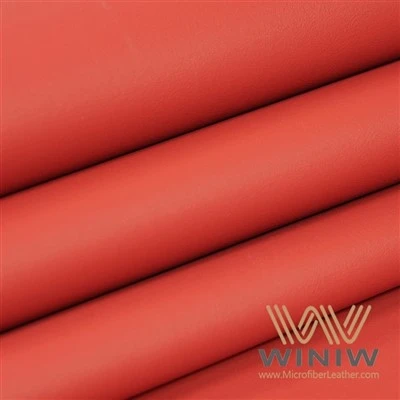
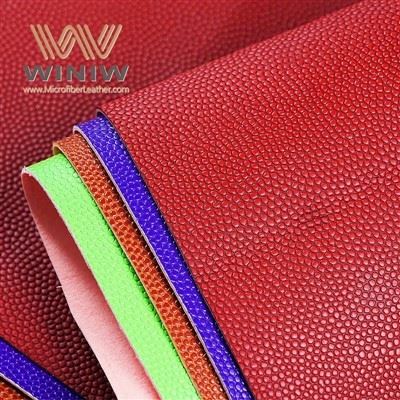
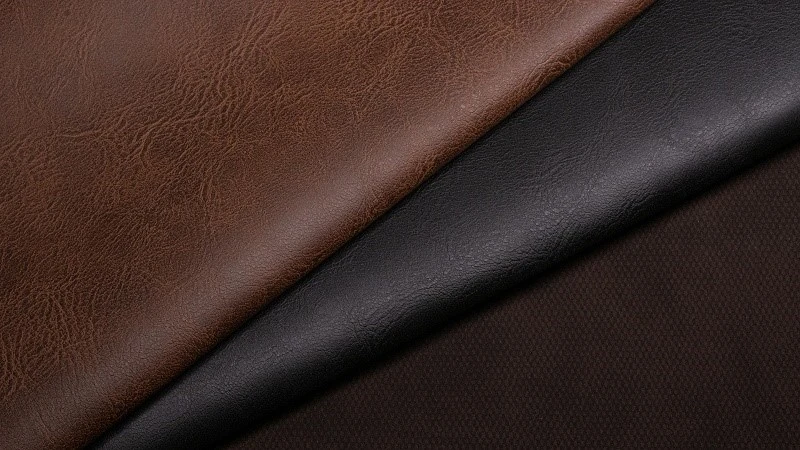
Microfiber leather is a high-performance synthetic material composed of a microfiber base fabric and polyurethane (PU) resin. Through nano-level impregnation and surface embossing, its appearance is highly similar to genuine leather, but its physical properties are more stable, and its quality is more controllable.
Genuine leather, on the other hand, is derived from animal hides and is produced through multiple processes, including tanning, dyeing, and finishing, retaining the porous structure and unique texture of natural fibers. Its texture and feel possess irreplaceable natural characteristics.
Appearance and Texture
• Surface characteristics: Genuine leather has natural pores and irregular patterns, making each piece unique. Microfiber leather lacks natural pores and features uniform, consistent textures.
• Gloss and feel: Genuine leather has a soft, warm luster and supple, elastic feel that develops a unique patina over time. Microfiber leather is slightly shinier, evenly textured, flexible, and resilient but lacks the natural warmth of real leather.
• Weight: Under the same specifications, microfiber leather has a lower density and is lighter than genuine leather, making it more suitable for making bags, shoes, and interiors that require a lightweight design.
Odor
Genuine leather carries the natural scent of animal hide, which may soften with use. Improperly processed leather might retain a slight odor. Microfiber leather has a faint material odor, though low-quality products may emit a mild plastic smell.
Core Performance Differences
• Durability: High-quality microfiber leather offers excellent abrasion resistance and tear strength, making it suitable for high-use products like car seats and athletic shoes. Genuine leather is durable but requires proper care to prevent cracking or fading.
• Breathability and comfort: Genuine leather's natural fiber structure provides good air circulation and moisture absorption, making it more comfortable for close-contact products. Microfiber leather, due to its porous base, is more comfortable and breathable than PVC leather, but still slightly less so than genuine leather.
• Water and stain resistance: The PU coating on microfiber leather gives it strong water and stain resistance, making it easy to clean and maintain. Genuine leather requires regular maintenance with professional care products and should be protected from prolonged exposure to moisture.
• Aging and color retention: Genuine leather develops a unique patina over time, resulting in a more layered color, but it has weaker resistance to ultraviolet rays and oxidation, and is prone to fading with prolonged exposure to sunlight; microfiber leather has stronger resistance to ultraviolet rays and oxidation, and its color is more durable and stable.
Price and Market Position
Microfiber leather boasts a stable raw material supply, high production controllability, and relatively stable prices, making it suitable for large-scale bulk purchasing. The unit price is controllable with no batch-to-batch price differences, effectively reducing procurement cost budgets. High-end microfiber leather, due to its advanced technology, may be more expensive than ordinary genuine leather. Genuine leather, due to the scarcity of raw materials and complex processing, is even more expensive and is primarily used in the mid-to-high-end or luxury markets.
How to Identify Microfiber Leather and Genuine Leather

We can distinguish them based on their differences. Here are some methods:
Visual Inspection
By carefully observing the surface texture and imperfections of the leather, we can make a preliminary judgment about the material. Genuine leather has a natural texture with slightly irregular holes or fine lines, and may also have small scars or pores; while microfiber leather has a uniform and highly repeatable texture, and the surface has almost no natural imperfections.
Touch and Feel
Genuine leather feels supple and elastic, slowly rebounding after being squeezed, and has a warm touch; microfiber leather has a smooth and soft surface, but its rebound is slightly weaker, and it feels cooler to the touch.
Smell
Odor is also an important basis for judgment. Genuine leather has the unique smell of natural leather, while microfiber leather is mainly made of synthetic materials and has a chemical smell, which can be slightly reduced after wiping with alcohol.
Water Absorption Test
Drop a small amount of water on the surface. Genuine leather will absorb some water and leave a wet mark, while microfiber leather, due to its waterproof nature, hardly absorbs water, and the water droplet will remain on the surface.
Burning Test
Genuine leather will smell like burning hair when burned, and the ash will be loose and gray; while microfiber leather will smell like burning plastic, and the ash will be hard and dark in color.
Manufacturer-Provided Test Reports
Of course, the most reliable method is to rely on the test reports provided by the supplier. Choose vendors offering ISO 9001, REACH certification, and third-party testing, including material composition, abrasion resistance, tear strength, and tensile strength. WINIW provides complete testing documentation to help buyers verify product quality.
Conclusion
While microfiber leather and genuine leather may look similar, they differ significantly in source, manufacturing, performance, weight, and price. Understanding these differences allows buyers to make informed purchasing decisions, optimize costs, and select the leather that best suits their product needs.
WINIW focuses on the research, development, production, and sales of high-quality synthetic leather. Our microfiber leather boasts superior performance, an appearance and feel comparable to genuine leather, and is durable and environmentally friendly. Contact us today for free samples and a customized purchasing quote!