Introduction
In electric vehicle design, the selection of interior materials significantly impacts the car's comfort, durability, and aesthetics. Silicone leather and genuine leather are two major automotive interior materials, each with its own characteristics. This article will provide an in-depth comparison of the two and analyze which is better suited for electric vehicles.
What is Silicone Leather?
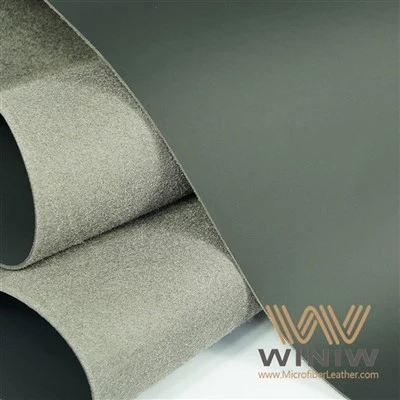
Silicone leather is a high-performance synthetic material made from silicone and related compounds, designed to closely mimic the look and feel of genuine leather. WINIW's silicone leather combines advanced silicone technology with flame-retardant properties, specifically engineered for automotive interiors. It offers several key advantages:
• High durability: Resistant to wear, extreme temperatures, and UV exposure, ensuring long-lasting performance without deformation or aging.
• Eco-friendly and sustainable: Made without animal products and recyclable, meeting the green and sustainable requirements of EV interiors.
• Comfortable feel: Soft and smooth, closely resembling genuine leather while providing consistent texture without natural variations.
• Easy to clean and maintain: Stains and dirt can be easily wiped off, keeping the interior looking fresh with minimal effort.
• Enhanced safety: Excellent flame-retardant performance provides additional protection for vehicle interiors.
Understanding Genuine Leather
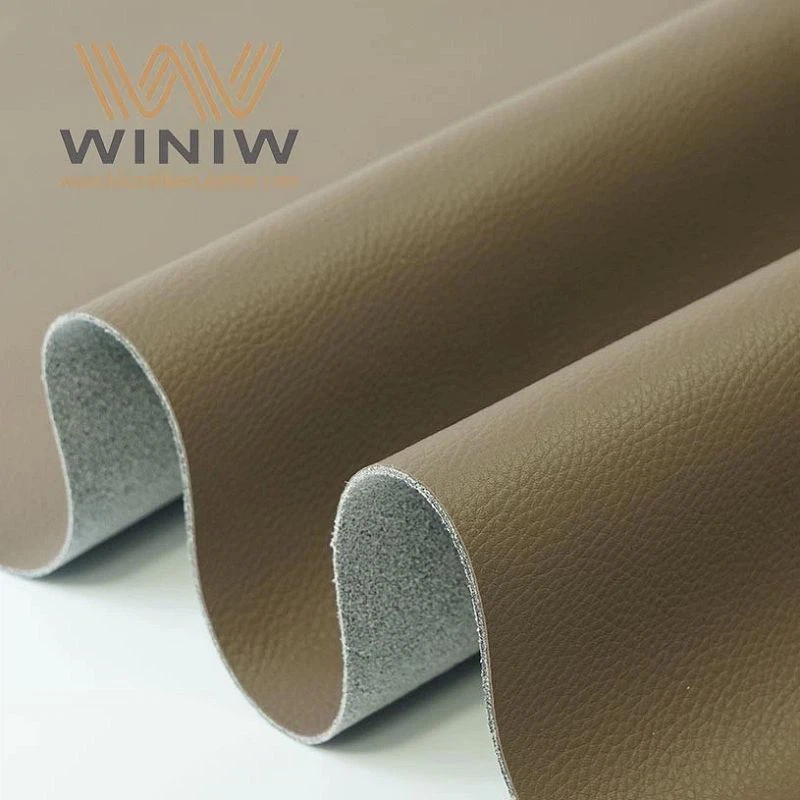
Genuine leather, typically sourced from cows, sheep, or other animals, has long been a premium choice for automotive interiors. Known for its natural texture and luxurious feel, it adds a unique sense of quality and elegance to vehicles.
However, genuine leather also has some limitations in practical use:
1. High maintenance: Susceptible to scratches, moisture, and high temperatures, requiring regular cleaning and conditioning to prevent cracking or fading.
2. High cost: For EV manufacturers, the cost of genuine leather is relatively high.
3. Limited sustainability: Its production consumes large amounts of water and animal resources, making it less eco-friendly-an important consideration for EV brands focused on sustainability.
Silicone Leather vs Genuine Leather: Key Comparisons
When choosing materials for automotive interiors, silicone leather and genuine leather each have their distinct characteristics. The table below highlights their key differences objectively:
|
Comparison |
Silicone Leather |
Genuine Leather |
|
Durability |
Highly resistant to wear, tearing, extreme temperatures, and UV exposure |
Prone to scratches; may crack or fade over time |
|
Maintenance |
Easy to clean and maintain |
Requires regular care; cleaning and conditioning can be costly |
|
Cost |
Lower production cost, suitable for large interior areas |
Expensive raw materials; overall cost is higher |
|
Sustainability |
Animal-free, recyclable, environmentally friendly |
Consumes large amounts of water and animal resources; less eco-friendly |
|
Appearance & Feel |
Smooth, uniform texture; can mimic various patterns |
Natural, unique texture; premium feel, but variability exists |
|
Safety Features |
Can include flame-retardant and anti-slip properties |
Limited flame-retardant performance; may require additional treatment |
Which Is Better for EVs: Silicone Leather or Genuine Leather?
In electric vehicle interiors, material choice affects durability, sustainability, and overall cost. Considering the previous comparison, the following points highlight which material is more suitable for EVs:
Durability
EV interiors may be exposed to high temperatures (such as heat near the battery) or direct sunlight for extended periods. Silicone leather is resistant to wear, extreme temperatures, and UV exposure, while genuine leather is prone to cracking or fading under heat or humidity changes.
Sustainability
Modern EV manufacturers increasingly prioritize eco-friendly materials. Silicone leather is animal-free and recyclable, meeting sustainable development requirements, whereas genuine leather consumes more resources and is less environmentally friendly.
Cost and Maintenance
Silicone leather is moderately priced and easy to clean and maintain. Genuine leather, on the other hand, is expensive and requires regular care, resulting in higher long-term costs.
Comfort and Luxury
Genuine leather offers a natural texture and a premium feel, though each piece varies. Silicone leather provides a soft, uniform feel and can simulate a variety of textures.
Overall, silicone leather is a more practical choice for EVs that prioritize durability, sustainability, and ease of maintenance, while genuine leather is better suited for high-end models that emphasize natural luxury.

Conclusion
In electric vehicle interiors, silicone leather has clear advantages over genuine leather. It meets the demands of long-term use while supporting sustainable development. WINIW offers a range of high-performance automotive silicone leather products suitable for various EV interior designs. If you are interested, contact us to learn more.