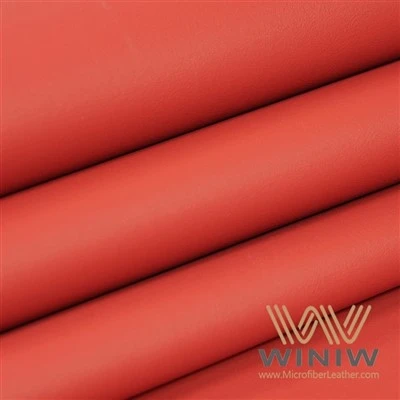
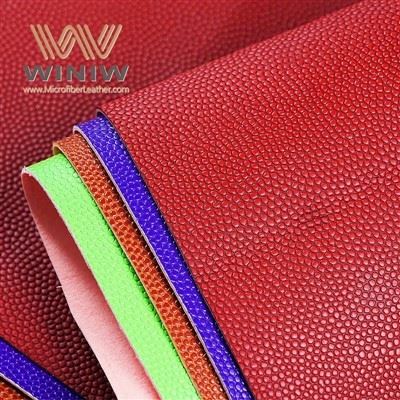
Microfiber leather is a synthetic substrate utilizing a sea-island polyurethane (PU) and polyester matrix, supplied in continuous 1.37-meter uniform rolls that guarantee a 100% cutting yield. Conversely, genuine leather hides possess irregular geometries, natural scars, and density variations, structurally limiting standard footwear manufacturing cutting yields to 60-75%.
Hidden Cost Metrics: Yield Impact per Square Meter
When evaluating microfiber leather vs real leather for volume production, purchasing directors must calculate the true utilization cost rather than the nominal surface area price. Natural hides require manual defect mapping and nesting, generating 25-40% offcut waste. Microfiber leather rolls permit automated, multi-layer CNC nesting.
As a direct shoe material manufacturer, we model the structural cost variance based on standard athletic footwear consumption (approximately 0.25 sqm per pair).
| Metric | Genuine Leather (Cowhide) | Premium Microfiber Leather |
| Nominal Price per SQM | $30.00 | $12.00 |
| Average Cutting Yield | 65% | 100% |
| Effective Cost per Usable SQM | $46.15 | $12.00 |
| Defect Tolerance | Natural scars, loose grain | Zero defects (A-grade rolls) |
| Die-Cutting Process | Single-layer, manual alignment | Multi-layer, automated CNC |
| Waste Disposal Cost | Moderate to High |
Low (Recyclable PU/PET) |
Procurement & QA Notice: Need to validate cutting efficiency on your automated CAD/CAM systems? Request a 5-meter sample roll and the complete laboratory Technical Data Sheet (TDS).
Request Physical Swatches & Lab TDS Report
EN ISO Testing Data: Tear Strength and Durability Alignment
Implementing high cutting yield leather for footwear is invalid if the substrate fails physical stress protocols. High-grade microfiber leather replicates the collagen fiber bundling of genuine hides through its coagulated sea-island structure, matching or exceeding organic leather in standardized mechanical tests.
For footwear applications-specifically vamp and quarter components-structural integrity under continuous flexion and tension is strictly quantified.
| Physical Property | Microfiber Leather (1.4mm) | Genuine Leather (1.4mm Full Grain) | Testing Protocol |
| Tear Strength (Warp/Weft) | ≥ 60 N | 40 - 60 N | EN ISO 3377-2 |
| Tensile Strength | ≥ 120 N / 5cm | ≥ 100 N / 5cm | EN ISO 3376 |
| Bally Flexing | > 100,000 cycles (Dry) | > 50,000 cycles (Dry) | EN ISO 5402-1 |
| Peeling Strength | ≥ 30 N/3cm | N/A (Solid structure) | ISO 2411 |
| Hydrolysis Resistance | > 5 Weeks (70°C, 95% RH) | Vulnerable to extended moisture | SATRA TM344 |
| VOC Emissions | ≤ 10 mg/kg (DMF-free) | Hexavalent Chromium traces | REACH / ZDHC |
The cross-linked polyurethane density provides dimensional stability, preventing pattern distortion post-die-cutting. The uniform gauge thickness (tolerance ±0.05mm) eliminates the need for mechanical skiving at the factory level, further reducing processing time.
Initiate Custom Color Sampling & Request Wholesale Quotation
Frequently Asked Questions (FAQ)
Q: Why does microfiber leather offer a higher cutting yield than real leather?
A: Microfiber leather is manufactured in continuous geometric rolls (1.37m width) with consistent thickness and zero surface defects. This allows footwear factories to utilize automated multi-layer CNC cutting systems, achieving 100% material utilization with minimal offcut waste.
Q: Does microfiber leather meet EN ISO standards for shoe vamps?
A: Yes. Engineering-grade footwear microfiber achieves ≥ 60 N in EN ISO 3377-2 tear strength testing and endures over 100,000 Bally flexing cycles (EN ISO 5402-1), exceeding the mechanical durability of 1.4mm full-grain cowhide.
Q: Is microfiber leather DMF-free for REACH compliance?
A: Premium microfiber production lines utilize water-borne polyurethane and DMF-free coagulation processes. This ensures VOC emissions remain well below the limits specified by EU REACH directives and Zero Discharge of Hazardous Chemicals (ZDHC) standards.