Introduction
Traditional genuine leather footwear, due to its reliance on animal resources, high pollution levels in production, and inconsistent performance, is increasingly failing to meet current consumer demands for environmental friendliness and quality. Microfiber leather, a new material, mimics the texture of genuine leather while also providing excellent durability for frequent wear, making it a rising alternative to genuine leather. This article will focus on shoe applications, analyzing the core advantages of microfiber leather as a substitute for genuine leather, guiding purchasing and material selection.

What Is Microfiber Leather for Shoes
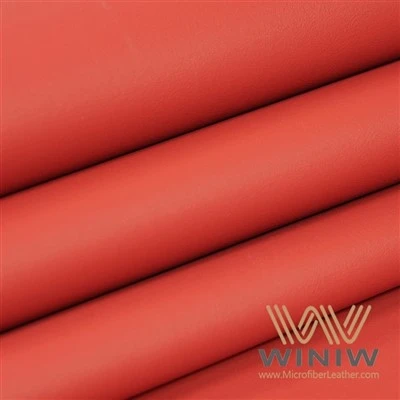
Microfiber leather is a type of synthetic leather made by combining a superfine microfiber base-usually nylon or polyester non-woven fabric-with polyurethane (PU) resin through impregnation, embossing, and surface finishing. This process creates a three-dimensional structure that closely mimics the texture, softness, and appearance of natural leather. Thanks to its excellent durability, flexibility, and breathability, microfiber leather is widely used in various types of footwear, including sports shoes, casual shoes, formal dress shoes, and outdoor hiking boots. It provides a premium leather-like feel while offering better resistance to abrasion, water, and deformation.
Why Microfiber Leather Is a Popular Genuine Leather Alternative
The value of microfiber leather as a substitute stems from its precise solution to four core pain points of genuine leather in footwear applications: insufficient durability, poor environmental performance, high cost volatility, and design limitations. Each of these advantages directly aligns with both business production and consumer needs.
Durable and Durable: Suitable for Frequent Wear and Tear of Shoes

Shoes are frequently used daily, and parts such as the upper, toe cap, and heel are susceptible to damage. Microfiber leather precisely addresses this pain point:
Strong Abrasion Resistance
Microfiber leather's microfiber base is tightly bonded to the polyurethane resin, far superior to the "coating + non-woven" structure of ordinary synthetic leather. This prevents cracking and cracking in high-friction shoes like sneakers and outdoor shoes over extended wear, extending the lifespan of the shoe
01
Excellent Environmental Tolerance
Compared to the environmental sensitivity of traditional genuine leather, microfiber leather is more stable in high and low temperatures. It resists becoming rigid and brittle in low temperatures and maintains its structural stability even in hot and humid conditions, resisting mold and deterioration due to moisture, making it suitable for wear in diverse climates.
02
Excellent Deformation Resistance
Microfiber leather's fiber network structure provides strong support, making it less likely to collapse or wrinkle after long-term wear, ensuring the shoe's shape remains crisp and beautiful.
03
Easy to Maintain
Traditional genuine leather shoes require special care agents for regular maintenance, which is cumbersome and incurs additional costs. However, microfiber leather shoes are extremely easy to maintain on a daily basis. You only need to wipe the surface with a damp cloth to clean stains, without the need for special care.
04
Environmentally Friendly: In Line with the Trend toward Green Production

With environmental awareness gaining popularity, microfiber leather better meets the green needs of the footwear industry than genuine leather:
No Reliance on Animal Resources
Microfiber leather contains no animal ingredients, eliminating the land and feed consumption associated with animal farming and avoiding animal welfare issues.
Reduced Pollution During the Production Process
Compared to traditional genuine leather tanning processes that use harmful chemicals, microfiber leather utilizes a water-based resin process, significantly reducing VOCs and wastewater emissions, making it suitable for large-scale, environmentally friendly production.
Highly Recyclable
The main components of microfiber leather can be recycled through a specific process, reducing the solid waste generated after the shoe is scrapped.
Controllable Costs: Balancing the Price-Performance Needs of Businesses and Consumers

Microfiber leather not only offers superior performance but also significant cost and supply advantages.
More Affordable Retail Price
Genuine leather costs fluctuate significantly due to farming cycles and quarantine policies, leading to generally higher retail prices for footwear. Microfiber leather has more stable production costs and is generally lower than top-grain leather, making prices more affordable. Consumers can enjoy a product with a feel and texture similar to genuine leather at a more affordable price.
Strong Cost Stability
Genuine leather raw material supply is susceptible to animal epidemics and transportation restrictions, leading to uncontrollable costs for businesses. Microfiber leather raw materials are standardized chemicals with more stable prices.
High Supply Chain Risk Resilience
Microfiber leather raw materials are not dependent on animal farming and are not affected by seasonality or transportation, ensuring production continuity and supply stability for footwear companies.
Flexible Design: Meeting Diverse Footwear Style Needs

Footwear design increasingly pursues personalization and functionality. Microfiber leather offers far greater flexibility than genuine leather, allowing it to adapt to the design requirements of different shoe models.
Diverse Customization
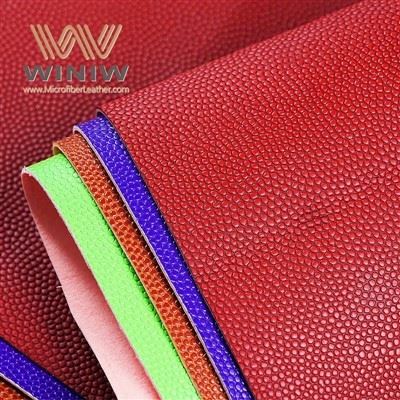
The grain and color of traditional genuine leather are limited by its natural properties, making complex designs difficult to achieve. However, microfiber leather can easily achieve gradient colors, complex patterns, and unique textures through processes such as surface embossing, printing, and dyeing. It can even be customized with unique grain and color to meet the needs of personalized and fashionable footwear designs.
Functional Adaptation
Microfiber leather can adjust its processing parameters based on the functional requirements of the shoe. For example, for outdoor shoes, a thicker base fabric and a wear-resistant coating can be added; for casual shoes, a low-density base fabric can be used to ensure softness; and for safety shoes, a puncture-resistant layer can be added.
Uniform Batch Quality
The production process of microfiber leather is controllable, and the grain, color, and thickness of the material within the same batch are virtually identical. It avoids the problem of "each pair of shoes having slightly different textures" due to the natural properties of genuine leather, improves the overall quality of the shoes, and is suitable for large-scale production of sneakers, etc.
Conclusion
The key to microfiber leather's success as a genuine leather alternative lies in its ability to not only replicate the texture of genuine leather but, more importantly, address the pain points of genuine leather in footwear applications. This not only meets consumer demands for durability, environmental friendliness, and cost-effectiveness, but also meets the development needs of footwear companies for green production, stable costs, and flexible design.
As a supplier of high-quality microfiber leather, WINIW can provide you with high-performance, environmentally compliant microfiber leather. We also offer a variety of customized options, including color and thickness, to suit your needs. Please contact us.